
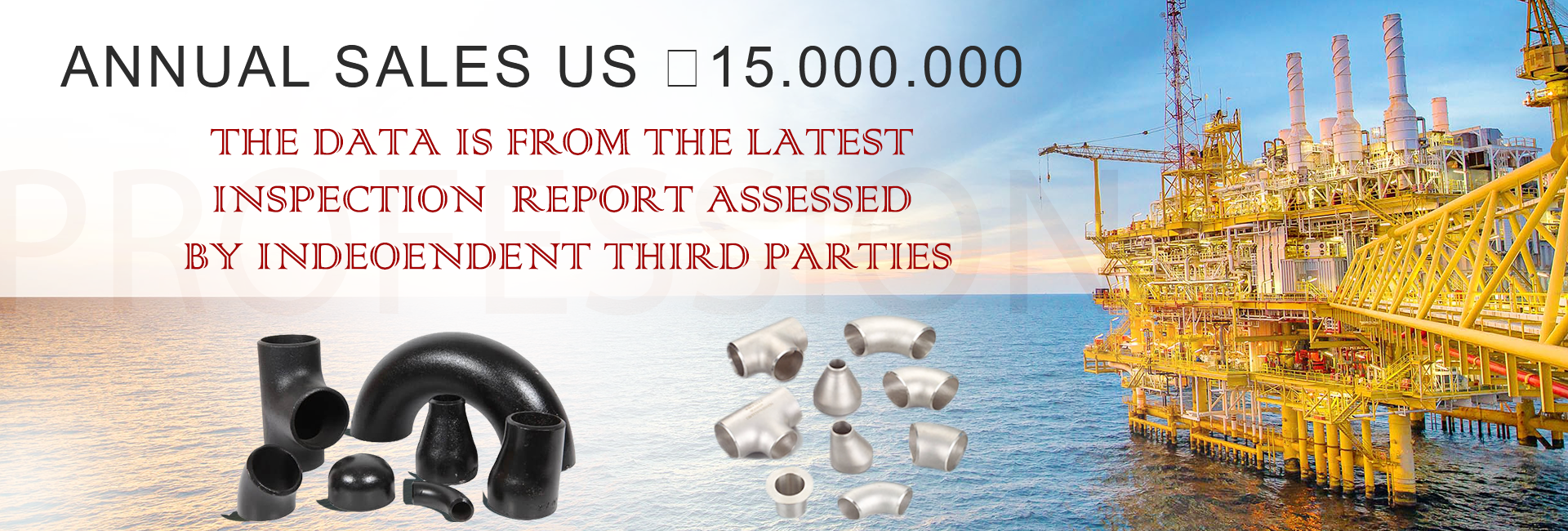
Pipe Bend Wholesale | Manufacturers & Pipe Bend Solutions
I handle orders for pipe bend components designed to heat exchangers, plumbing and process lines. When you’re shopping for pipe bend solutions, I focus on precision and reliability. Our pipe bend is made from marine-grade stainless steel and carbon steel options, with CNC formed angles and tight tolerances to minimize pressure drop. I tailor sizes for OEMs and wholesalers, perfect for Wholesale and Manufacturers, who need consistent inventory. You can count on fast lead times, competitive pricing, and scalable quantities from small runs to large orders. Our finishes include coated, galvanised, and polished options to resist corrosion in harsh environments. I can offer standard bends or custom radius and angle calculations to match your system layout, reducing waste and installation time. For wholesale buyers and manufacturers alike, this pipe bend delivers durability, traceability, and performance you can rely on.


pipe bend Manufacturer Supplier
Global buyers seek a dependable pipe bend supplier to keep projects on schedule and within budget. High-quality bends minimize welds, reduce leakage, and ensure smooth flow in pipelines across oil, gas, chemical, and water applications. A Hebei-based producer in northern China offers a broad range of bends to meet varied standards and project needs. Capabilities span carbon steel, stainless steel, and alloy bends, delivered by hot induction bending, seamless hot bending, or precision cold bending. Tight tolerances, surface finishes, and end connections (flanged, threaded, or socket weld) meet ASME, EN, and API requirements. We provide comprehensive QA with NDT, hydrotesting, and material certificates for traceability. Partner with a supplier who features integrated manufacturing, scalable output, and transparent documentation to reduce risk and shorten lead times. From engineering input to after-sales service, the right bend provider can customize geometry, wall thickness, and coatings to fit your process and ensure compliance across markets. With roots in Hebei's pipeline equipment cluster, such a partner combines local proficiency with global reach.
{ pipe bend Manufacturer Supplier }
| Product Type | Material | Outer Diameter (in) | Wall Thickness (in) | Centerline Radius (in) | Bend Angle (deg) | End Connection | Standard | Manufacturing Method | Lead Time (days) | Country of Origin |
|---|---|---|---|---|---|---|---|---|---|---|
| 90 Degree Butt Weld Bend | ASTM A234 WPB | 2.00 in | 0.250 in | 3.00 in | 90 | Butt Weld Ends | ASME B16.9 | Hot Formed | 3-5 | China |
| 90 Degree Butt Weld Bend | ASTM A403 WP304 | 1.50 in | 0.065 in | 2.00 in | 90 | Butt Weld Ends | ASME B16.9 | Seamless/Forged | 4-6 | USA |
| 90 Degree Butt Weld Bend | API 5L X65 | 4.00 in | 0.375 in | 6.00 in | 90 | Butt Weld Ends | ASME B16.9 | Fabricated | 5-7 | Germany |
| 45 Degree Butt Weld Bend | ASTM A234 WPB | 3.00 in | 0.375 in | 4.50 in | 45 | Butt Weld Ends | ASME B16.9 | Formed | 2-4 | India |
| 180 Degree Return Bend | API 5L X70 | 6.00 in | 0.500 in | 10.00 in | 180 | Butt Weld Ends | ASME B16.9 | Fabricated | 6-10 | China |
| 90 Degree Elbow with Flanged Ends | Aluminum 6061-T6 | 2.50 in | 0.3125 in | 2.00 in | 90 | Flanged Ends | ASME B16.5 | Extruded/Pressed | 3-7 | USA |
| 90 Degree PVC Elbow | PVC-U | 1.00 in | 0.120 in | 1.50 in | 90 | Socket/Push-Fit | ASTM D2466 | Moulded | 1-2 | Taiwan |
| 90 Degree Long Radius Bend | ASTM A105 | 2.50 in | 0.50 in | 6.00 in | 90 | Butt Weld Ends | ASME B16.9 | Forged/Seamless | 7 | Japan |
| 45 Degree High-Pressure Elbow | API 5L X52 | 8.00 in | 0.500 in | 12.00 in | 45 | Butt Weld Ends | ASME B16.9 | Fabricated | 8-12 | Italy |
Related Products




pipe bend Where Innovation Meets 2025 Manufacturers You Can Rely On
Top Selling Products


- Related Blog
- Reviews
- Reviews
