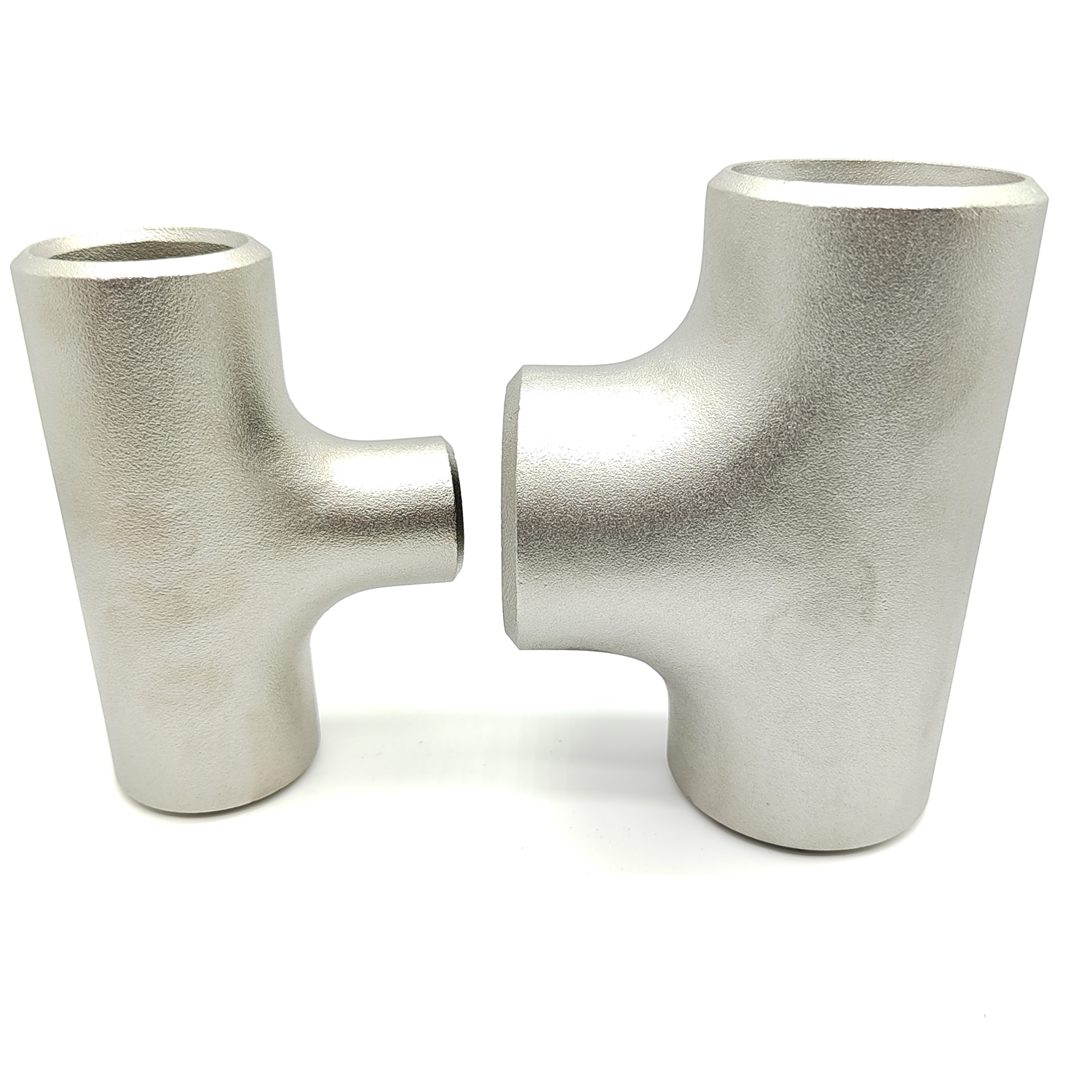
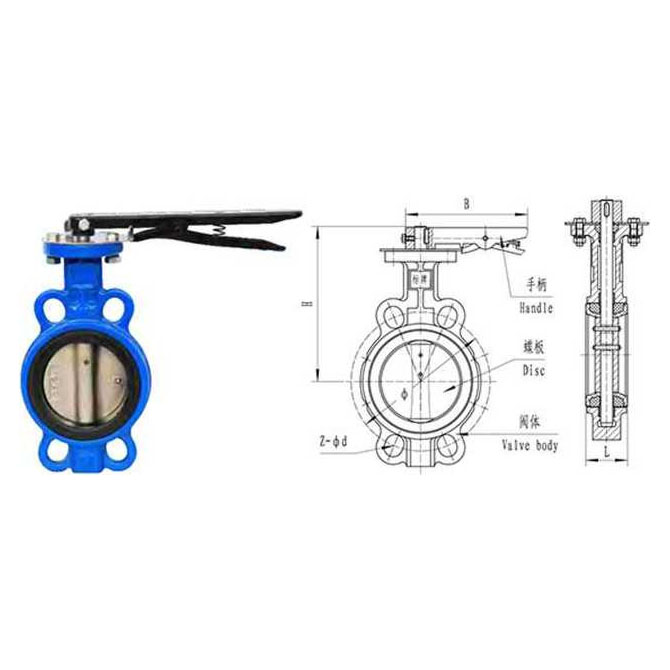
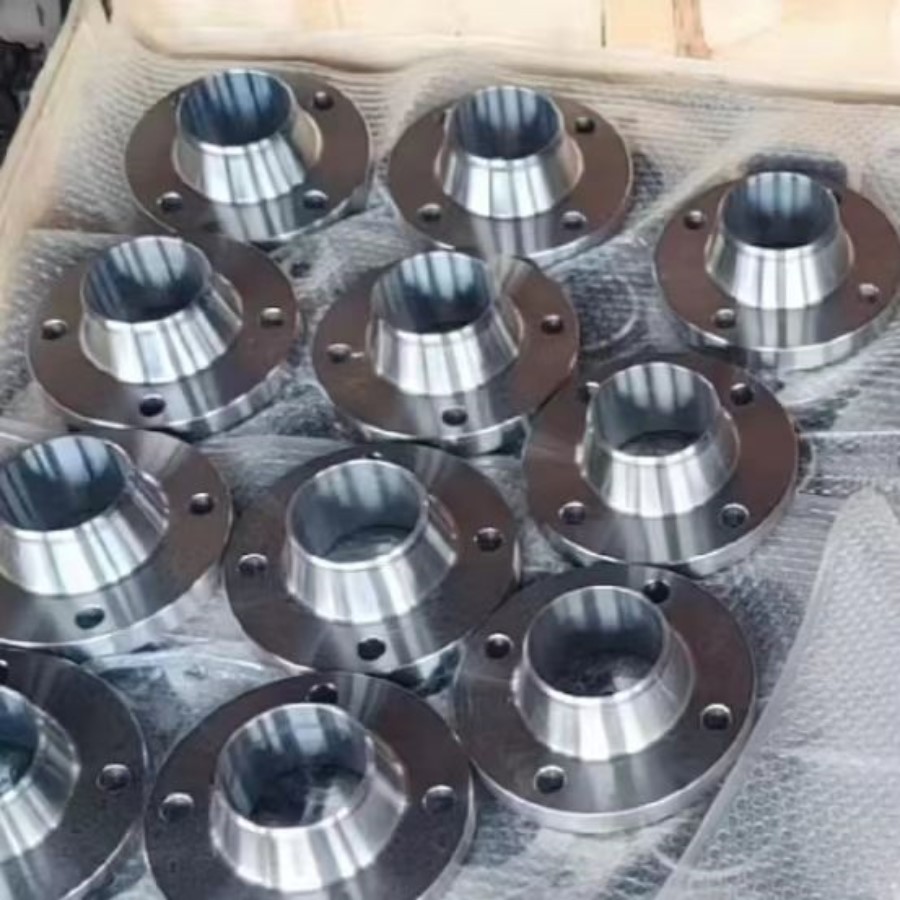
District Heating System Pipeline Components
Precision-engineered pipe fittings and valves designed for heavy industrial district heating distribution networks — compatible with high-pressure, high-temperature applications.
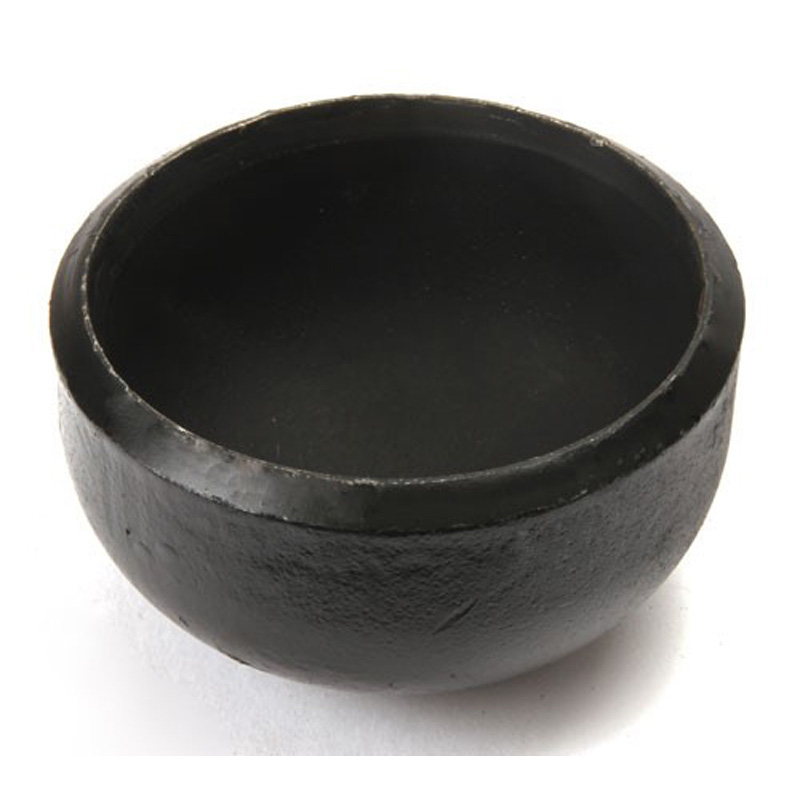
Carbon Steel Pipe in District Heating: Industry Overview
Carbon steel pipe remains the backbone of heavy industrial district heating distribution networks worldwide. As urban energy demands grow, pre-insulated carbon steel pipelines play a critical role in delivering heat efficiently, safely, and sustainably at scale.
Global Market Scale
The global district heating pipe market exceeded USD 15 billion in 2023, with carbon steel pipe systems accounting for over 65% of installed pipework in heavy industrial zones due to cost-performance advantages.
High-Temp Performance
Carbon steel pipe supports operating temperatures up to 450°C and pressures exceeding 25 MPa, making it ideal for primary heat distribution loops in steel plants, chemical complexes, and power stations.
System Integration
Modern district heating networks integrate carbon steel pipelines with smart metering, IoT sensors, and automated flow control systems to maximize thermal efficiency and minimize operational losses.
Sustainability Drive
Carbon steel's recyclability and long service lifespan (40–60 years) align with circular economy principles, supporting low-carbon transition goals for industrial energy districts globally.
Why Carbon Steel Pipe Dominates Heavy Industrial District Heating
From petrochemical complexes to large-scale metallurgical parks, carbon steel pipe delivers unmatched mechanical strength, corrosion resistance, and cost-efficiency for district heating distribution. Its weldability, machinability, and compatibility with standard fittings make it the first choice for engineers designing complex heat distribution networks.
Deep Application Scenarios: Carbon Steel Pipe in Industrial Heating Networks
Carbon steel pipelines serve a diverse range of mission-critical environments within heavy industrial district heating systems. Each scenario demands specific grades, wall thicknesses, and configurations.
🏗️Steel & Metallurgical Plants
Carbon steel pipes form the primary heat distribution backbone in integrated steel complexes, transporting waste heat recovered from blast furnaces, converters, and rolling mills to on-site industrial consumers. High-pressure seamless carbon steel pipes with enhanced wall thickness are specified for primary loops, while ERW pipes serve secondary distribution.
⚗️Petrochemical & Refinery Districts
In refinery industrial zones, carbon steel pipe distributes process steam and hot water across cracking units, distillation towers, and utilities blocks. API 5L Grade B and X42 carbon steel pipes are widely specified due to their excellent tensile strength and suitability for sour service environments with appropriate coating systems.
⚡Combined Heat & Power (CHP) Networks
CHP plants utilize carbon steel pipe networks to distribute co-generated thermal energy to surrounding industrial estates, dramatically improving overall energy efficiency from 35% to over 80%. Pre-insulated carbon steel distribution pipelines with polyurethane foam jackets are the standard solution for underground installation in these networks.
🏙️Industrial Park & Economic Zone Heating
Large economic development zones increasingly adopt centralized carbon steel pipe district heating infrastructure to serve clusters of heavy industry. This model reduces individual boiler investments, improves air quality compliance, and allows superior energy management through centralized dispatch and automation systems.
🌊Port & Shipbuilding Industrial Districts
Maritime industrial zones require high-corrosion-resistant carbon steel pipe solutions for steam distribution in ship repair docks, dry docks, and fabrication halls. ASTM A53/A106 Grade B carbon steel pipes with fusion-bonded epoxy or coal tar enamel coatings are commonly deployed in these salt-rich environments.
🏔️Cold-Climate Industrial Heating Networks
In northern industrial regions, district heating networks must operate through extreme temperature differentials. Low-temperature carbon steel grades such as A333 Grade 6 and A334 Grade 6 are specifically formulated to maintain impact toughness down to -46°C, ensuring safe, uninterrupted heat supply even in Arctic or sub-Arctic industrial zones.
Development Trends in Carbon Steel Pipe for District Heating
The industrial district heating sector is evolving rapidly. These key trends are reshaping how carbon steel pipe systems are specified, manufactured, and deployed.
4th Generation District Heating (4GDH)
The global shift toward low-temperature 4GDH systems (supply temperatures 50–70°C) is driving demand for thin-wall carbon steel pipes with premium corrosion-resistant internal linings, optimized for reduced heat loss and compatibility with renewable heat sources including solar thermal and heat pump arrays.
Smart Pipeline Monitoring Integration
Carbon steel pipe manufacturers are increasingly collaborating with IoT technology firms to develop sensor-ready pipe systems with embedded acoustic, pressure, and temperature monitoring capabilities, enabling predictive maintenance and real-time network optimization in industrial heating grids.
High-Performance Anti-Corrosion Coatings
Advanced internal and external coating technologies — including three-layer polyethylene (3LPE), fusion-bonded epoxy (FBE), and ceramic-reinforced epoxy systems — are significantly extending carbon steel pipe service life in aggressive soil and high-chloride industrial heating environments beyond 60 years.
Industrial Waste Heat Recovery Expansion
Regulatory pressure to improve industrial energy efficiency is accelerating investment in waste heat recovery pipelines connecting steel mills, cement plants, and data centers to district heating grids, creating significant demand for large-diameter (DN600–DN1200) heavy-wall carbon steel transmission pipes.
Hydrogen-Ready Pipeline Infrastructure
Forward-looking industrial districts are specifying carbon steel pipe grades with enhanced hydrogen embrittlement resistance (following ISO 15649 and ASME B31.12 guidelines) to future-proof heating distribution infrastructure for gradual transition to hydrogen blending or pure hydrogen thermal energy delivery.
Modular Prefabrication & BIM Integration
Factory-prefabricated carbon steel pipe spool assemblies, designed using Building Information Modelling (BIM) platforms, are accelerating installation timelines for new industrial district heating projects by up to 40%, reducing on-site welding risks and improving overall system quality consistency.
Carbon Steel Pipe Technical Specifications for District Heating
HEBEI CANGRUN PIPELINE EQUIPMENT CO., LTD. supplies carbon steel pipes meeting a comprehensive range of international standards specifically applicable to heavy industrial district heating distribution networks.
Applicable Material Standards
| Standard | Grade | Application in District Heating | Max Temp |
|---|---|---|---|
| ASTM A106 | Grade B / Grade C | High-temperature steam distribution primary loops | 454°C |
| ASTM A53 | Grade A / Grade B | Secondary heat distribution, low-pressure service | 371°C |
| API 5L | Grade B, X42, X52, X60 | Long-distance industrial heat transmission | 120°C (HDD) |
| EN 10216-2 | P235GH / P265GH | European standard pressure vessel & heating service | 400°C |
| GB/T 8163 | 20# / Q345B | Chinese standard fluid conveying pipe | 300°C |
| DIN 1629 | St 37.0 / St 44.0 | German industrial heating system specification | 350°C |
Available Size Range
| Parameter | Seamless Carbon Steel Pipe | ERW / Welded Carbon Steel Pipe |
|---|---|---|
| Outer Diameter | 1/8" – 24" (DN6 – DN600) | 1/2" – 48" (DN15 – DN1200) |
| Wall Thickness | SCH 10 – SCH XXS | 3mm – 25.4mm |
| Length | 5m – 12m (custom available) | 6m – 18m |
| End Finish | Plain End, Beveled End, Threaded | Plain End, Beveled End |

About HEBEI CANGRUN PIPELINE EQUIPMENT CO., LTD.
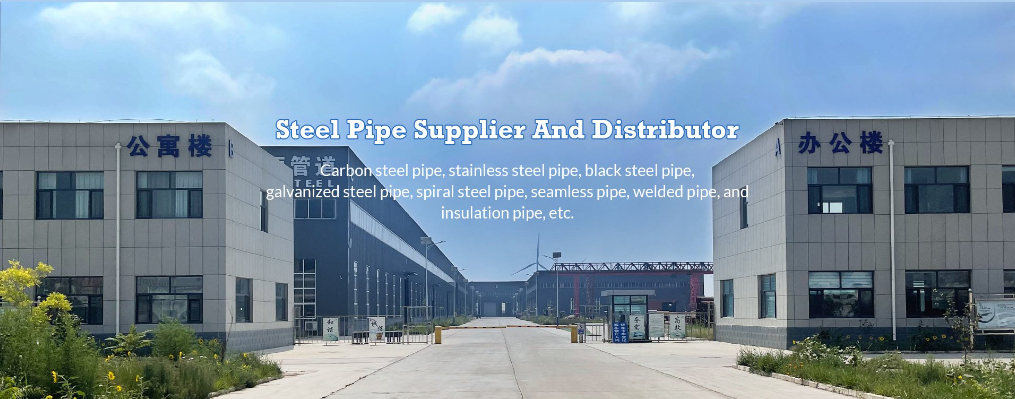
HEBEI CANGRUN PIPELINE EQUIPMENT CO., LTD. is a professional manufacturer of industrial pipes, industrial pipe fittings and valves. Its headquarter is located in Mengcun, Cangzhou, Hebei, the "capital of elbow pipe fittings in China". It covers an area of about 80,000 square meters, has 200 employees, total assets of 150 million, and an annual output of 100,000 tons.
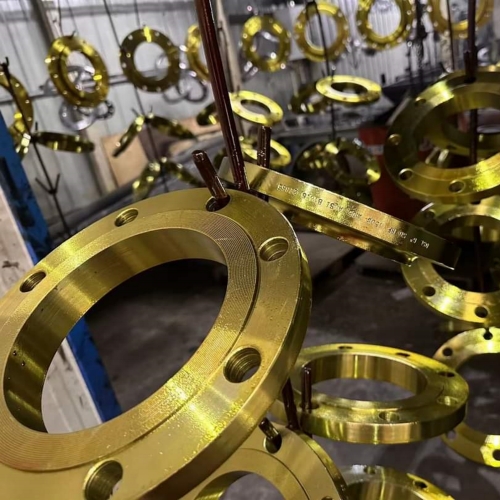
Our company has strong technical force. The production equipment is complete, with more than 120 sets of production equipment such as 8,000-ton four-column press, 1,600-ton pusher, 800-ton large-scale pipe bending machine, and 8-ton forging hammer. We have fifteen advanced production lines for flanges and pipe fittings. Forging, intermediate frequency pushing, machining, cold forming, hot extrusion, heat treatment and other exquisite craftsmanship.
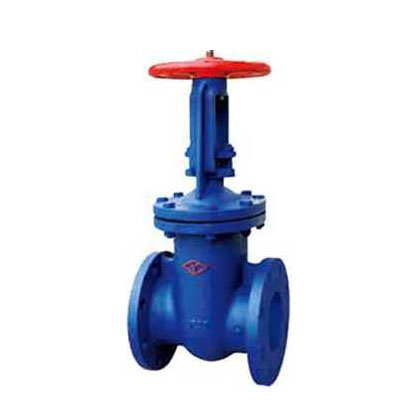
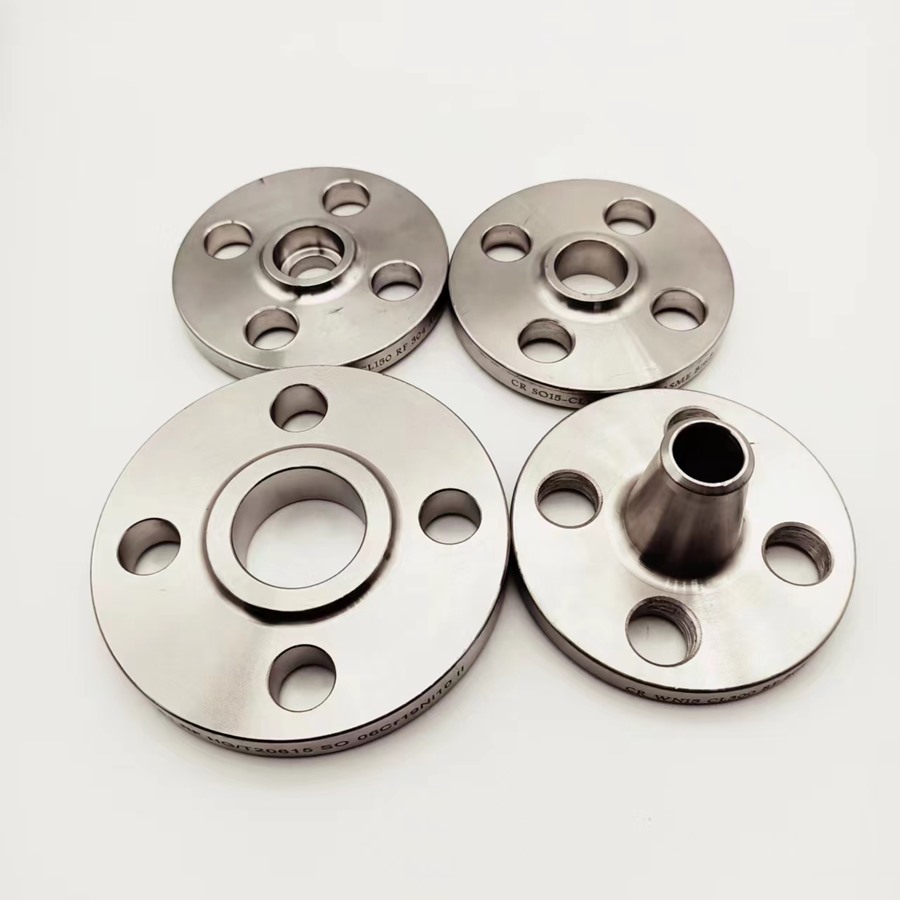
Equipped with advanced testing equipment such as chemical analysis, metallographic analysis, non-destructive testing, and mechanical performance experiments, we produce various specifications of carbon steel, alloy steel, stainless steel, pipeline steel, and low-temperature steel that meet international and domestic standards for high, medium, and low pressures. Our full product range includes valves, flanges, elbows, tees, crosses, reducers, caps, sockets and other pipe fittings of various specifications.

Our History
Our company was founded in 2005. In 2007, our products were sold in 29 provinces, municipalities and autonomous regions, and we became a leading manufacturer of pipe fittings in China. We started international trade in 2008, expanding our reach to global industrial district heating projects across Asia, Europe, the Middle East, and beyond.
In 2010, a new set of large-scale forging equipment with strong automation and high technical content was installed, which can forge 50 tons of forgings, and the diameter of the rolling ring is more than five meters. By 2014, our carbon steel pipe systems and pipeline components were exported to more than 30 countries. In 2018, our export volume reached USD 10,000,000, reflecting growing global demand for quality-certified industrial pipe solutions. By 2022, total sales at home and abroad reached USD 30,000,000 — a testament to our commitment to precision manufacturing and customer satisfaction in the global industrial heating and pipeline sector.
Our Enterprise Culture
Our values and mission define how we serve the global industrial district heating pipeline market — with integrity, innovation, and a relentless commitment to quality.
Philosophy
Insist on quality first, customer first. Help every customer achieve better development through superior pipeline solutions.
Vision
To become one of the best, continuously growing, most respected pipe fittings and carbon steel pipe manufacturing enterprises in the world.
Mission
Create value for consumers and share results with creators — building lasting partnerships across global industrial heating networks.
Values
Truth-seeking, enterprising, innovative, collaborative, sharing — the foundation of our approach to every carbon steel pipe project worldwide.

Complete Pipeline Solutions for District Heating Distribution Systems
Our comprehensive range of carbon steel pipe fittings, flanges, valves, and tees covers every connection point in your heavy industrial district heating distribution network.