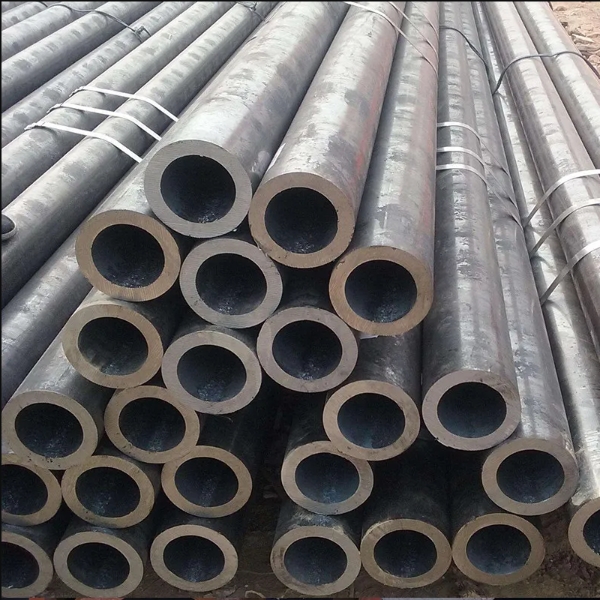
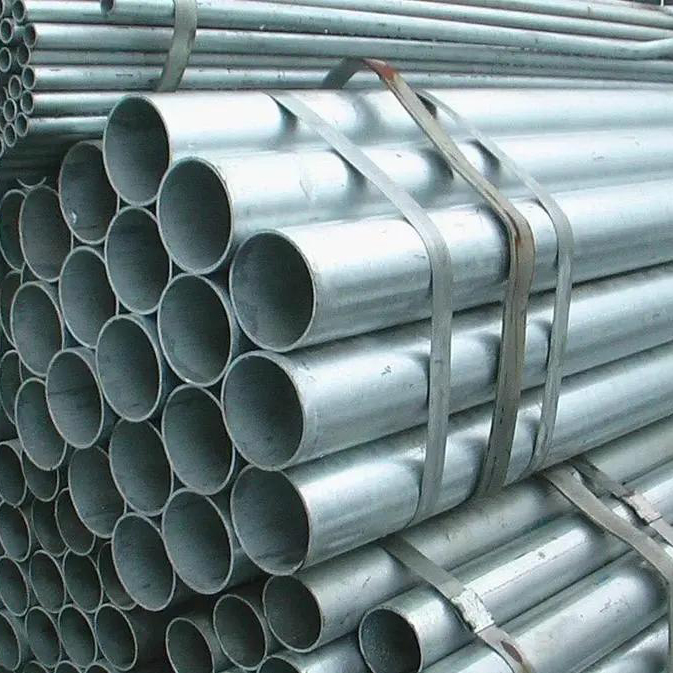
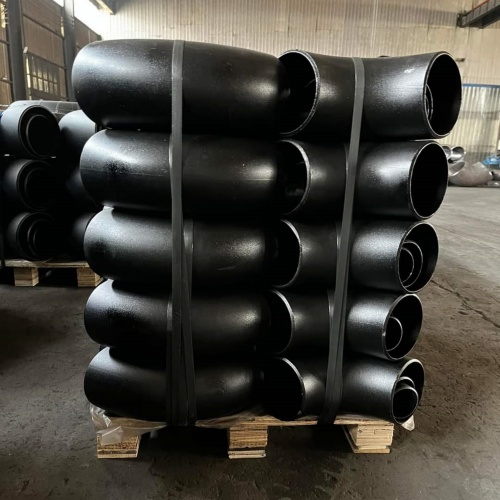
District Heating Network Pipe Connectors — Featured Products
Industry Overview: Water Pipe Connectors in Heavy Industrial District Heating
Heavy industrial district heating (DHC) distribution networks represent one of the most demanding environments for pipe connectors and fittings in the entire infrastructure sector. These systems distribute superheated water or steam across large industrial complexes — including steel mills, chemical plants, automotive manufacturing facilities, power stations, and large-scale municipal industrial parks — often spanning several kilometers of buried or above-ground pipeline. The reliability, pressure integrity, and thermal performance of every water pipe connector directly impacts the operational safety, energy efficiency, and maintenance cost of the entire network.
Global Market Scale
The global district heating and cooling market was valued at over USD 220 billion in 2023 and is projected to exceed USD 400 billion by 2032. Industrial-grade water pipe connectors account for a significant share of this infrastructure investment, driven by the rapid expansion of industrial parks across Asia, Europe, and North America.
Critical Infrastructure Demand
Heavy industrial facilities demand pipe connectors rated for high pressure (up to PN100+), high temperature (up to 350°C), and corrosion resistance. Any connector failure in a district heating backbone can halt production lines worth millions per day, making material selection and manufacturing precision non-negotiable.
Green Transition Catalyst
As heavy industries commit to carbon neutrality targets, district heating networks are being upgraded from coal-fired steam to low-carbon hot water circulation systems. This transition is driving massive demand for new, thermally efficient water pipe connectors compatible with modern insulated pre-insulated piping systems and smart monitoring infrastructure.
Deep Application Scenarios: Water Pipe Connectors in District Heating Infrastructure
Modern heavy industrial district heating networks employ a wide variety of water pipe connectors across distinct system zones, each with unique performance requirements. Below is a detailed analysis of the key application scenarios where precision-engineered pipe connectors are critical to network performance and longevity.
Primary Supply & Return Main Headers
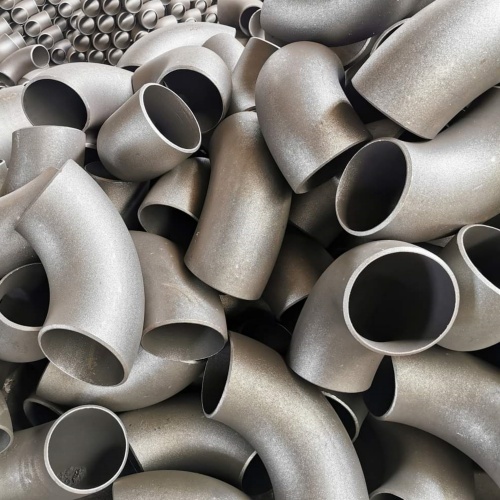
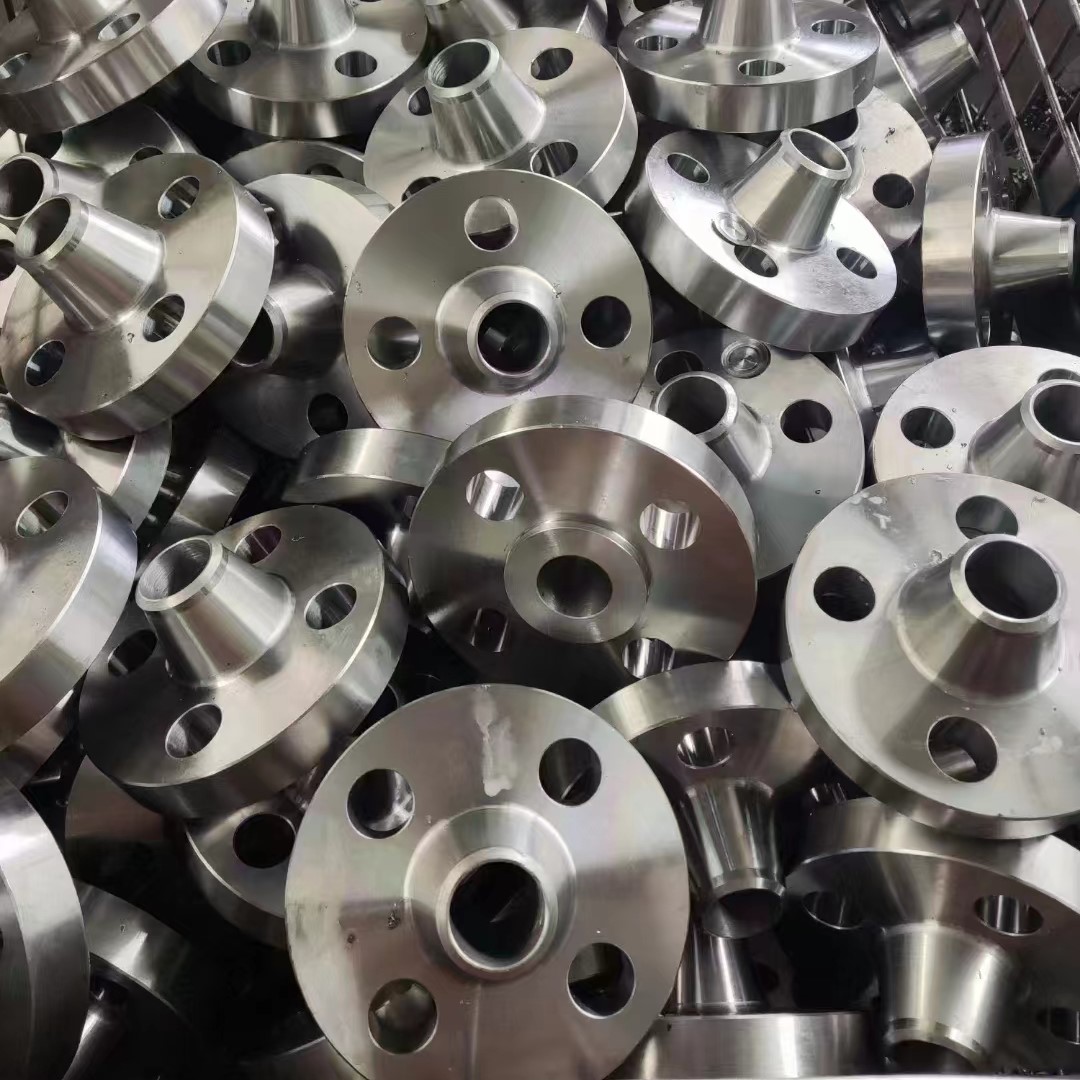
The primary distribution headers in a heavy industrial district heating network carry pressurized hot water at temperatures often exceeding 180°C and pressures up to PN40–PN100. Water pipe connectors used here — including welded flanges, eccentric and concentric reducers, and large-bore elbows — must meet stringent ASME B16.9, EN 10253, or GB standards. Carbon steel fittings with seamless construction are preferred for maximum burst pressure integrity in these backbone loops.
Industrial Building Connection Points
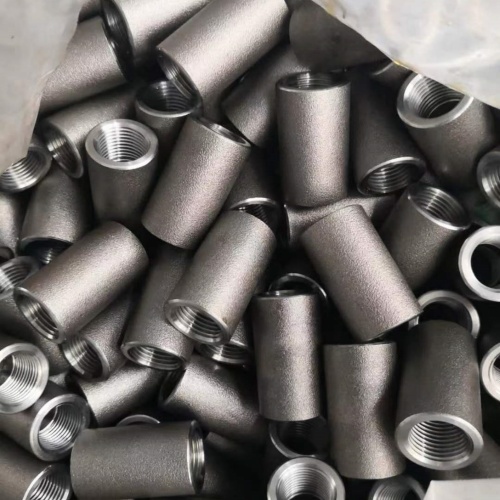
At every building or process plant entry point, the district heating main must branch off through a series of tee connectors, isolation flanges, and control valve assemblies. Forged steel fittings are the preferred choice here due to their superior mechanical strength at branch connection welds. Custom flat flanges and socket weld couplings enable tight integration with building-side heat exchangers and pressure regulation stations.
Pumping Station Manifold Assemblies
District heating pump stations involve complex manifold piping with numerous flanged connections, check valve housings, pressure gauge tappings, and flow metering sections. Stainless steel welded elbows and precision-machined flanges (ASME / JIS / ANSI standards) provide the dimensional accuracy required for tight bolt-up tolerances in pump manifolds where vibration, thermal cycling, and fluid hammer loads are constant operational factors.
Heat Exchanger Inlet/Outlet Piping
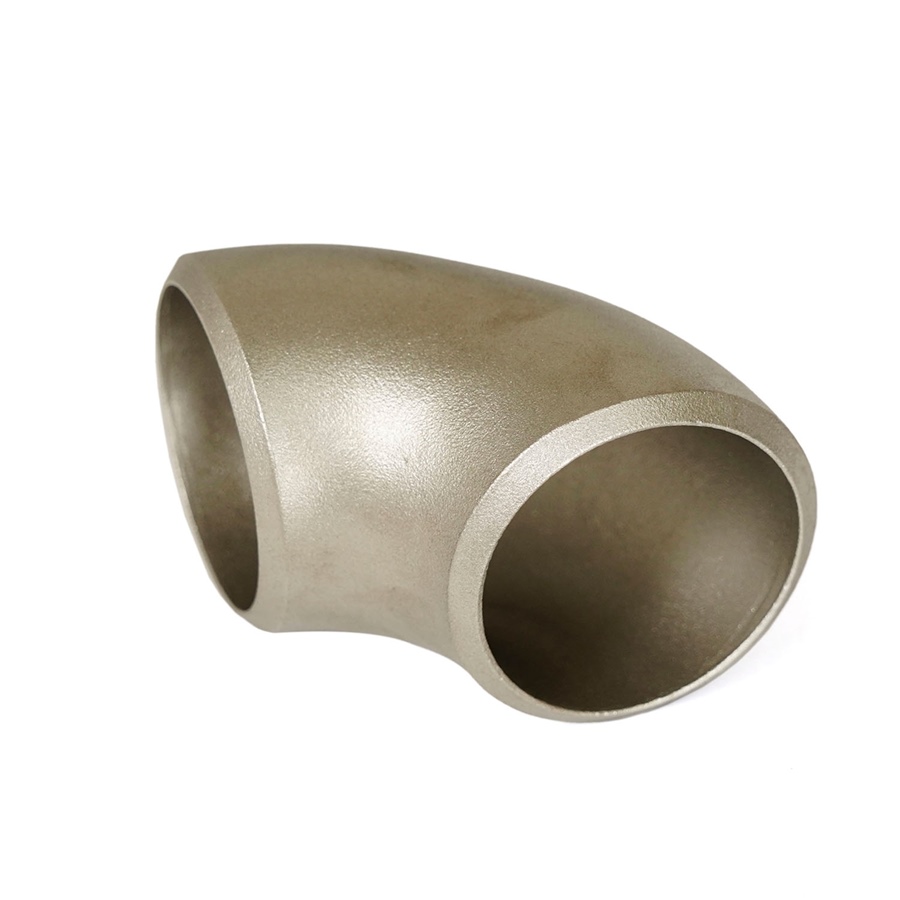
Shell-and-tube and plate heat exchangers in industrial district heating substations require precision-fitted connectors at inlet and outlet nozzles. 90° long-radius elbows (carbon steel and stainless steel) minimize turbulence and pressure drop entering the heat exchanger bundle, directly improving thermal transfer efficiency. Eccentric reducers on the outlet side prevent air pocketing in horizontal runs — a critical design consideration for maintaining uninterrupted hot water circulation in multi-story industrial buildings.
Buried Pre-Insulated Pipeline Networks
For long-distance buried district heating mains, galvanized steel pipe segments and high-strength seamless steel pipe are connected via welded field joints or flanged coupling assemblies. These connectors must resist external corrosion from soil chemistry, groundwater intrusion, and cathodic protection system interaction. Hot-dip galvanized fittings are widely specified for buried stub connections, isolation valve housings, and drain/vent tapping points along the route.
Steel Mill & Chemical Plant Integration
Waste heat recovery from blast furnaces, coke ovens, and chemical reactors feeds directly into district heating networks via high-alloy heat recovery pipe circuits. Alloy steel and stainless steel 304/316 connectors — elbows, tees, reducers, and flanges — are essential at the interface between corrosive process media and the clean hot water circuit. These connectors must handle simultaneous thermal shock, cyclic pressure, and exposure to chemically aggressive environments unique to heavy industry.
Development Trends: The Future of Industrial Heating Water Pipe Connectors
Smart Monitoring Integration
Next-generation pipe connectors are being engineered with embedded strain gauges and temperature sensors, enabling real-time structural health monitoring of critical connection points in district heating backbones via IIoT platforms.
Advanced Material Alloys
High-chromium alloy steels, duplex stainless steels, and nickel-based alloys are increasingly specified for ultra-high-temperature district heating (above 200°C) to extend connector service life beyond 40 years without major overhaul.
Decarbonization & Heat Pumps
As industrial districts shift to large-scale heat pump and geothermal heat source systems operating at lower temperatures but higher flow rates, pipe connectors are being redesigned for optimum hydraulic performance — lower pressure drop, smooth bore transitions, and improved flow distribution at manifold tees.
Modular Pre-Fabricated Assemblies
Manufacturers are supplying pre-fabricated pipe connector spool assemblies — complete with flanges, elbows, and inspection ports — ready for direct installation on site, dramatically reducing field welding time and improving quality consistency in large industrial district heating projects.
About Us

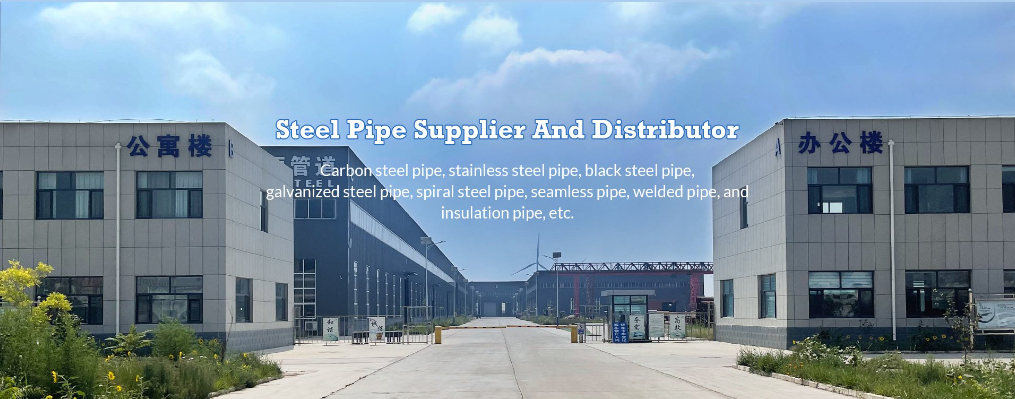
HEBEI CANGRUN PIPELINE EQUIPMENT CO., LTD. is a professional manufacturer of industrial pipes, industrial pipe fittings and valves. Its headquarter is located in Mengcun, Cangzhou, Hebei, the "capital of elbow pipe fittings in China". It covers an area of about 80,000 square meters, has 200 employees, total assets of 150 million, and an annual output of 100,000 tons. Our company has strong technical force. The production equipment is complete, with more than 120 sets of production equipment such as 8,000-ton four-column press, 1,600-ton pusher, 800-ton large-scale pipe bending machine, and 8-ton forging hammer. We have fifteen advanced production lines for flanges and pipe fittings. Forging, intermediate frequency pushing, machining, cold forming, hot extrusion, heat treatment and other exquisite craftsmanship. Equipped with advanced testing equipment such as chemical analysis, metallographic analysis, non-destructive testing, and mechanical performance experiments, it can produce various specifications of carbon steel, alloy steel, stainless steel, pipeline steel, and low-temperature steel that meet international and domestic standards for high, medium, and low pressures. And other valves, flanges, elbows, tees, crosses, reducers, caps, sockets and other pipe fittings of various specifications.
Our History
Our company was founded in 2005. In 2007, our products were sold in 29 provinces, municipalities and autonomous regions, and we became a leading manufacturer of pipe fittings in China. Started international trade in 2008. In 2010, a new set of large-scale forging equipment with strong automation and high technical content was installed, which can forge 50 tons of forgings, and the diameter of the rolling ring is more than five meters. Exported to more than 30 countries in 2014. In 2018, the export volume reached US$10,000,000. 2022 total sales at home and abroad reached 30,000,000 US dollars.

Our Enterprise Culture
- Philosophy: Insist on quality first, customer first. Help every customer get better development.
- Vision: To become one of the best, continuous growth, respected pipe fittings manufacturing enterprises.
- Mission: Create value for consumers and share results with creators.
- Values: Truth-seeking, enterprising, innovative, collaborative, sharing.

More Water Pipe Connector Solutions for Industrial Heating Distribution