
Featured Stainless Steel Pipe Fittings for Water Treatment Filtration Units
Precision-manufactured fittings and pipeline components specifically suited for municipal water treatment plant filtration systems — built for performance, longevity, and regulatory compliance.
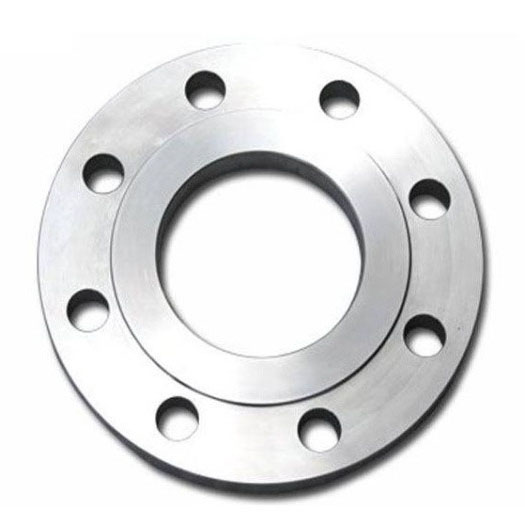 Stainless Steel Plate Weld Flange A105 — Water Treatment Filtration Unit Connection
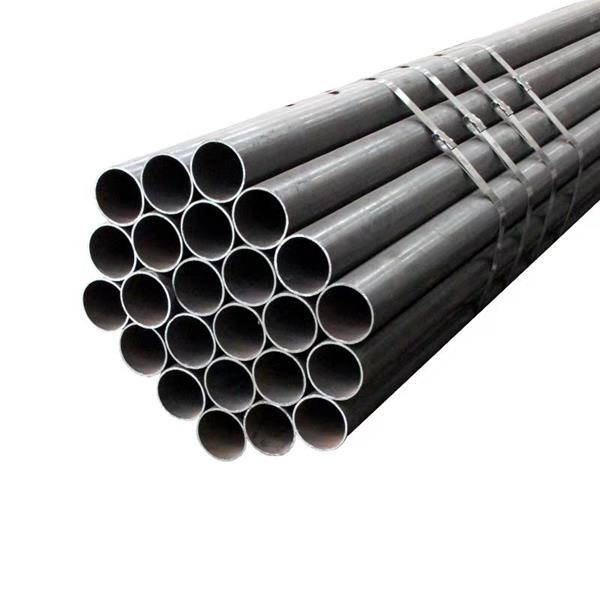 Industrial Welded Steel Pipe — Municipal Water Treatment Pipeline System
 Hardened Double Wall Pipe — Water Treatment Plant Pump Machine Filtration
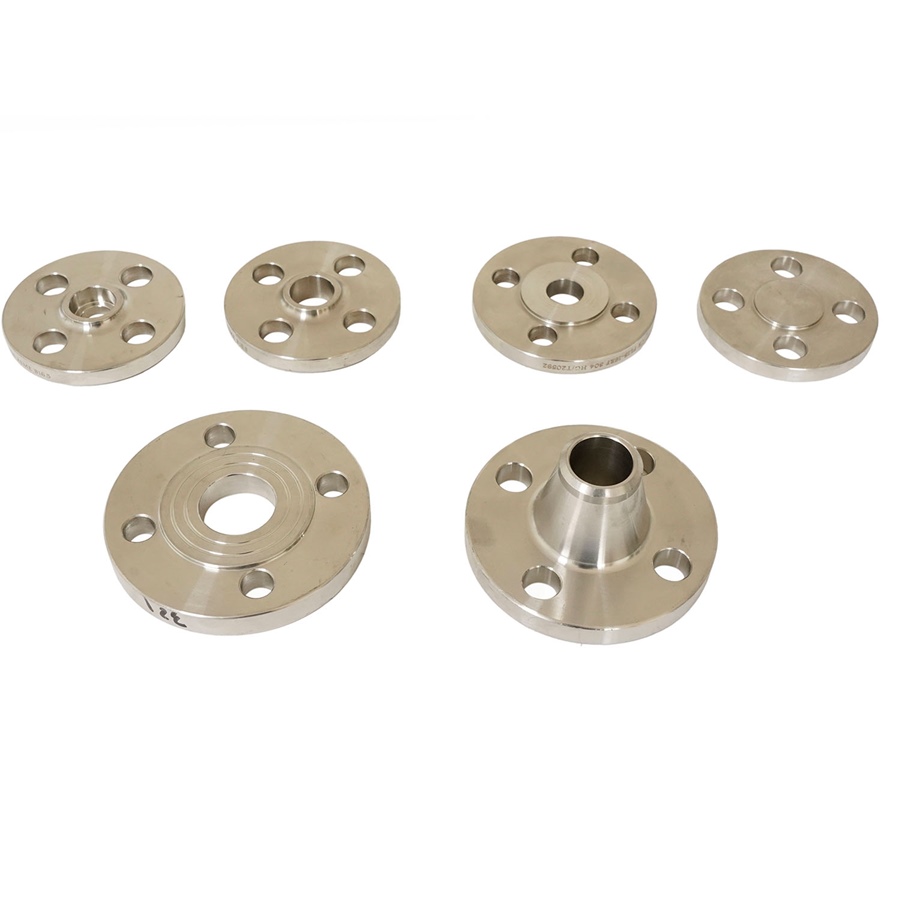 B16.5 Duplex 2205 Stainless Steel Weld Neck & Blind Flange — Filtration Unit
Why Stainless Steel Pipe Fittings Are Essential for Municipal Water Treatment Plant Filtration Units
Municipal water treatment plants serve as the backbone of public health infrastructure. Every single day, billions of gallons of raw water are processed through complex multi-stage filtration systems to deliver safe, clean, potable water to communities. At the core of this process lies a network of pipelines, fittings, valves, and flanges — and the choice of material for these components directly determines the reliability, safety, and efficiency of the entire operation.
Stainless steel pipe fittings have emerged as the gold standard for municipal water treatment plant filtration units, outperforming alternatives such as carbon steel, PVC, and ductile iron in virtually every critical performance metric. From pre-filtration intake systems to post-treatment distribution pipework, stainless steel's inherent corrosion resistance, hygienic surface properties, mechanical strength, and long service life make it the preferred choice for engineers, procurement managers, and municipal authorities worldwide.
The Role of Stainless Steel Pipe Fittings in Water Treatment Filtration
A typical municipal water treatment plant involves multiple distinct stages: coagulation and flocculation, sedimentation, filtration (sand filtration, membrane filtration, activated carbon filtration, and UV disinfection), and finally distribution. Each stage relies on a precisely engineered network of pipework. Stainless steel pipe fittings — including elbows, tees, reducers, couplings, flanges, and valves — connect and direct flow through every phase of this complex process.
Key Application Zones Within Filtration Units
- Membrane Filtration Manifolds: Ultrafiltration (UF) and nanofiltration (NF) membrane systems require fittings that can withstand high pressures and aggressive backwash cycles. Stainless steel 316L provides superior resistance to the chlorine-based cleaning chemicals used in CIP (Clean-In-Place) operations.
- Sand & Multi-Media Filtration Headers: Distribution headers directing flow across granular filter beds must maintain even pressure distribution. Stainless steel butt-weld fittings and weld neck flanges ensure leak-free, dimensionally stable connections over decades of continuous service.
- Activated Carbon Filter Connections: GAC (Granular Activated Carbon) vessels require corrosion-resistant pipework capable of handling chemically active water streams. Duplex 2205 stainless steel fittings excel in these aggressive environments.
- UV Disinfection Chamber Connections: The final disinfection stage demands hygienic, smooth-bore stainless steel fittings to prevent biofilm formation and ensure disinfection efficacy is not compromised by contaminated pipe surfaces.
- Chemical Dosing Lines: Coagulant, flocculant, pH adjustment chemicals, and disinfectants are dosed into the process stream via dedicated chemical lines — all requiring chemical-resistant stainless steel fittings rated for the specific reagents in use.
Industrial & Commercial Market Landscape
The global demand for high-performance stainless steel pipe fittings in water treatment infrastructure is growing at an accelerating pace. Several converging macro trends are reshaping the competitive landscape and creating substantial commercial opportunity for quality manufacturers.
1. Aging Infrastructure Replacement Programs
In the United States, the EPA estimates that over USD 625 billion in water infrastructure investment will be required over the next 20 years. Similar programs are underway in the European Union (EU Water Framework Directive), Australia, Japan, and the Gulf Cooperation Council (GCC) countries. These large-scale replacement programs are creating massive, sustained demand for stainless steel fittings, flanges, valves, and pipe systems capable of meeting modern regulatory standards.
2. Urbanization and New Plant Construction in Emerging Markets
Southeast Asia, South Asia, Africa, and Latin America are experiencing unprecedented urbanization. Countries like India, Indonesia, Vietnam, Nigeria, and Brazil are investing heavily in new municipal water treatment capacity. These greenfield projects consistently specify stainless steel fittings for critical process connections, driven by lifecycle cost considerations and international engineering standards (AWWA, ASME, ISO).
3. Regulatory Tightening on Water Quality Standards
Governments worldwide are implementing progressively stricter drinking water quality standards. Regulations limiting lead, copper, chloramines, disinfection byproducts, and emerging contaminants (PFAS, microplastics) are driving treatment plants to upgrade their filtration systems — which in turn requires the installation of new, certified stainless steel pipe fittings that comply with NSF/ANSI 61 (Drinking Water System Components) and similar standards.
4. Industrial Water Recycling and Zero Liquid Discharge (ZLD)
Beyond municipal supply, industrial facilities — including semiconductor fabs, pharmaceutical manufacturers, food & beverage plants, and power stations — are deploying advanced water treatment and recycling systems. These industrial water treatment circuits demand the highest grades of stainless steel fittings, often in Duplex 2205 or Super Duplex 2507 for extreme corrosion resistance.
Hebei Cangrun — Manufacturing Capability at Scale
Deep-Dive Application Scenarios: Stainless Steel Fittings in Water Treatment Filtration
From small-scale municipal plants serving 50,000 residents to mega-treatment facilities processing 500 million gallons per day, stainless steel pipe fittings perform critical functions across the entire spectrum of water treatment infrastructure.
Membrane Filtration Systems
UF, NF, and RO membrane skids require precision-machined stainless steel manifolds, end caps, and pressure-rated fittings to handle operating pressures up to 1,000 psi. Smooth internal surfaces prevent fouling and bacterial adhesion.
Rapid Sand Filtration Headers
Underdrain collection headers and backwash distribution manifolds constructed from 304 or 316L stainless steel elbows, tees, and reducers ensure uniform flow distribution and decades of maintenance-free operation.
Chemical Dosing & Coagulation
Coagulant injection points, pH adjustment lines, and fluoride dosing systems use stainless steel fittings rated for aggressive chemical exposure. Duplex grades are specified where ferric chloride, sulfuric acid, or sodium hypochlorite is handled.
UV & Ozone Disinfection
UV reactor chamber inlet and outlet connections, ozone contactor pipework, and advanced oxidation process (AOP) systems all specify hygienic-grade stainless steel fittings to maintain disinfection effectiveness and prevent recontamination.
Desalination Plant Pre-Treatment
Seawater reverse osmosis (SWRO) plants utilize Super Duplex 2507 stainless steel fittings for high-pressure feed lines and brine discharge systems, where chloride concentrations would destroy lesser materials within months.
Wastewater Reclamation & Reuse
Tertiary treatment and water reclamation plants processing secondary effluent for agricultural or industrial reuse require stainless steel fittings throughout their advanced filtration stages to meet reclaimed water quality standards.
Development Trends Shaping the Future of Stainless Steel Fittings in Water Treatment
Smart Manufacturing & Digital Traceability
Leading manufacturers are implementing Industry 4.0 technologies — digital heat number traceability, automated dimensional inspection, and QR-coded material certificates — enabling municipal engineers to verify the provenance and specification compliance of every fitting installed in a critical water infrastructure project.
High-Alloy & Duplex Grade Adoption
As source water quality deteriorates — higher chloride content, variable pH, and emerging chemical contaminants — procurement specifications are increasingly shifting from standard 304/316L grades to Duplex 2205 and Super Duplex 2507, offering 2–4x greater pitting resistance without significant weight penalty.
Electro-Polished & Hygienic-Grade Finishes
NSF/ANSI 61 certification and WHO drinking water guidelines are pushing treatment plant operators to specify electropolished internal surfaces (Ra ≤ 0.8 µm) for all stainless steel fittings in contact with potable water, dramatically reducing biofilm formation and chemical consumption in CIP operations.
Pre-Fabricated Modular Skid Systems
EPC contractors and OEM equipment manufacturers are increasingly sourcing pre-fabricated stainless steel pipe assemblies — complete manifold spools, skid-mounted filter vessel connections, and pressure-tested sub-assemblies — to accelerate project delivery timelines and reduce on-site welding requirements.
Sustainable Lifecycle & Circular Economy
Municipal water utilities are factoring 50-year total cost of ownership into their procurement decisions. Stainless steel pipe fittings — with service lives exceeding 50 years and near-100% recyclability at end-of-life — align perfectly with sustainability mandates and UN Sustainable Development Goal 6 (Clean Water and Sanitation).
Global Standards Harmonization
International convergence on ASME B16.9, ASME B16.5, EN 10253, and ISO 1127 standards is simplifying global procurement for multinational EPC firms, allowing them to source stainless steel fittings from certified Chinese manufacturers like Hebei Cangrun with full confidence in dimensional and material interchangeability.
About Hebei Cangrun Pipeline Equipment Co., Ltd.
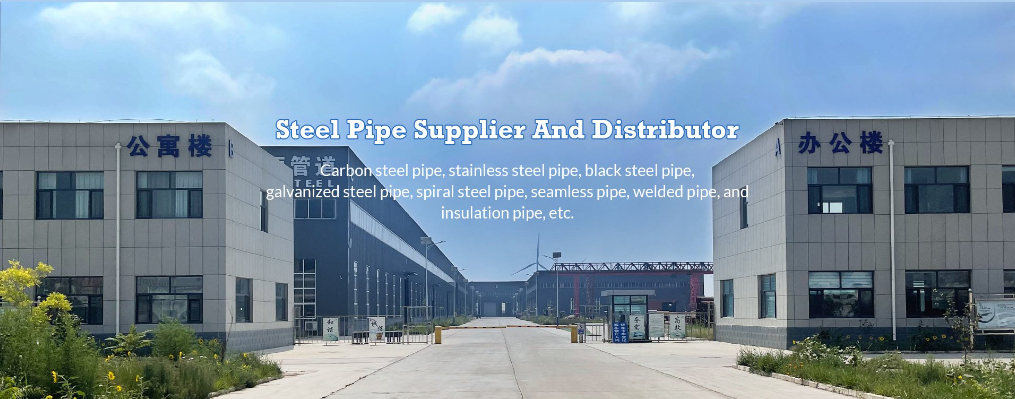
HEBEI CANGRUN PIPELINE EQUIPMENT CO., LTD. is a professional manufacturer of industrial pipes, industrial pipe fittings and valves. Its headquarter is located in Mengcun, Cangzhou, Hebei, the "capital of elbow pipe fittings in China". It covers an area of about 80,000 square meters, has 200 employees, total assets of 150 million, and an annual output of 100,000 tons.
Our company has strong technical force. The production equipment is complete, with more than 120 sets of production equipment such as 8,000-ton four-column press, 1,600-ton pusher, 800-ton large-scale pipe bending machine, and 8-ton forging hammer. We have fifteen advanced production lines for flanges and pipe fittings. Forging, intermediate frequency pushing, machining, cold forming, hot extrusion, heat treatment and other exquisite craftsmanship. Equipped with advanced testing equipment such as chemical analysis, metallographic analysis, non-destructive testing, and mechanical performance experiments.
We produce various specifications of carbon steel, alloy steel, stainless steel, pipeline steel, and low-temperature steel that meet international and domestic standards for high, medium, and low pressures — including valves, flanges, elbows, tees, crosses, reducers, caps, sockets and other pipe fittings of various specifications, fully supporting the demands of municipal water treatment plant filtration unit projects worldwide.

Our History
Our company was founded in 2005. In 2007, our products were sold in 29 provinces, municipalities and autonomous regions, and we became a leading manufacturer of pipe fittings in China. Started international trade in 2008. In 2010, a new set of large-scale forging equipment with strong automation and high technical content was installed, which can forge 50 tons of forgings, and the diameter of the rolling ring is more than five meters. Exported to more than 30 countries in 2014. In 2018, the export volume reached US$10,000,000. In 2022, total sales at home and abroad reached 30,000,000 US dollars.

Our Enterprise Culture
Philosophy
Insist on quality first, customer first. Help every customer get better development.
Vision
To become one of the best, continuous growth, respected pipe fittings manufacturing enterprises.
Mission
Create value for consumers and share results with creators.
Values
Truth-seeking, enterprising, innovative, collaborative, sharing.

How to Specify Stainless Steel Pipe Fittings for Water Treatment Filtration Projects
Proper specification of stainless steel pipe fittings for municipal water treatment plant filtration units requires careful consideration of multiple technical, regulatory, and economic parameters. The following framework guides procurement engineers and project managers through the key decision points:
1. Grade Selection Based on Service Environment
- Grade 304/304L: Suitable for clean water service, non-chlorinated process streams, and low-pressure utility connections.
- Grade 316/316L: Recommended for direct contact with treated/potable water, chlorinated water, and chemical dosing streams. The industry benchmark for water treatment filtration pipework.
- Duplex 2205: Specified for high-chloride environments, aggressive chemical streams, high-pressure membrane systems, and locations requiring superior fatigue resistance.
- Super Duplex 2507: Reserved for seawater service, brine handling, and the most aggressive industrial water treatment circuits where even 316L would suffer accelerated pitting.
2. Pressure and Temperature Ratings
Municipal water treatment systems typically operate at pressures between 50 and 300 psi, with membrane systems reaching up to 1,500 psi for high-pressure RO applications. Fittings must be rated to ASME B16.9 (butt-weld) or ASME B16.11 (socket-weld/threaded) standards with appropriate pressure class designations.
3. Surface Finish and Hygienic Requirements
All stainless steel fittings in potable water service must comply with NSF/ANSI 61. Electropolished finishes (Ra ≤ 0.8 µm) are increasingly mandated for membrane filtration manifolds and UV disinfection chamber connections to prevent biofilm accumulation.
4. Traceability and Certification
Municipal water treatment projects require full material traceability: EN 10204 3.1 or 3.2 material test certificates, positive material identification (PMI), hydrostatic and pneumatic pressure test records, and dimensional inspection reports per ASME or EN standards.
Complete Stainless Steel Pipe Fittings Product Range for Water Treatment Applications
Explore our comprehensive range of certified pipeline components — engineered for municipal water treatment plant filtration units and industrial water infrastructure projects worldwide.
Stainless Steel Plate Weld Flange A105 — Water Treatment Filtration Connection
Industrial Welded Steel Pipe — Municipal Water Treatment Pipeline
Hardened Double Wall Pipe — Water Treatment Plant Pump Machine Filtration
B16.5 Duplex 2205 Stainless Steel Weld Neck & Blind Flange — Filtration Unit
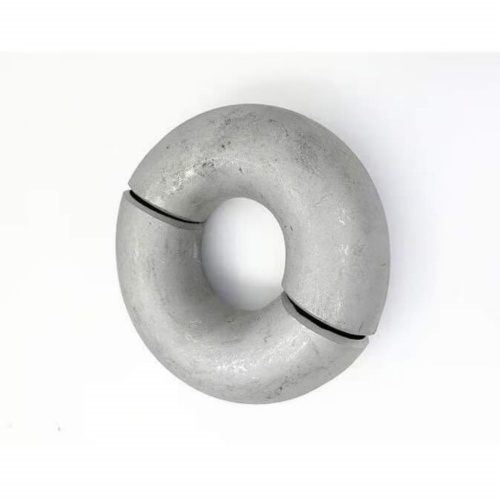 Stainless Steel Butt Weld Pipe Fitting — Water Treatment Filtration Elbow
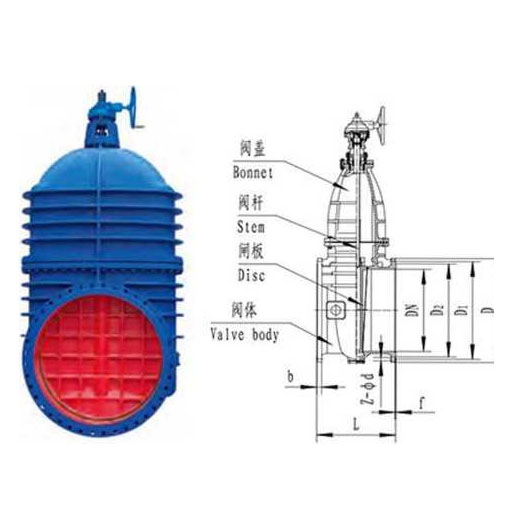 Dark Wedge Gate Valve Z445T/-10 Z545T/W — Water Treatment Flow Control
 3"×3" Carbon Steel Equal Tee — Water Treatment Filtration Header Distribution
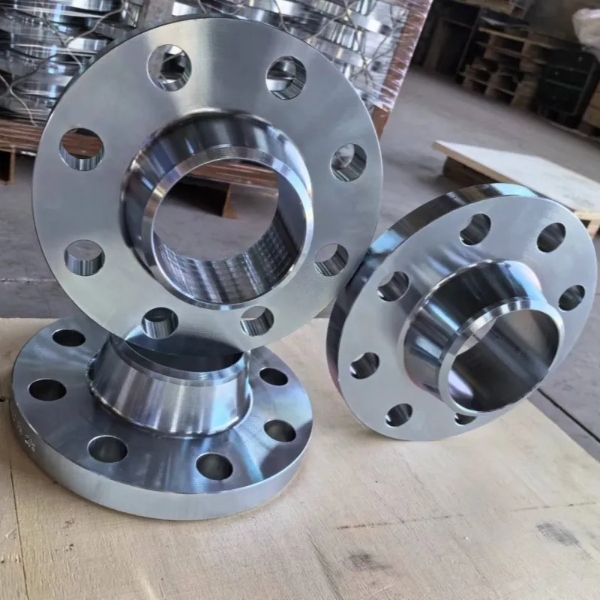 Butt Welding Flange — Municipal Water Treatment Plant Filtration Unit Pipework