
Stainless Steel Flange for Construction, DN150 PN16 Stainless Steel Weld Flange, Building Pipeline



Flanges are manufactured from a variety of materials to adapt to different operating environments, pressure levels, and mediums. Common options include carbon steel (A105, Q235B), stainless steel (304, 316L, 321), alloy steel (A182 F11, F22), and non-ferrous metals such as copper, aluminum, and titanium. Carbon steel flanges are cost-effective and widely used for general low-pressure applications, while stainless steel variants offer superior corrosion resistance, making them ideal for acidic, alkaline, or high-humidity environments. For extreme conditions like high temperature (above 500℃) or high pressure (exceeding 10MPa), alloy steel flanges are preferred due to their enhanced tensile strength and creep resistance. Custom material selections are available to meet specific project requirements.
International Standards: Ensuring Interchangeability and Reliability
Compliance with international standards is paramount to flange quality and compatibility. The most widely adopted standards include:
ASME B16.5 (USA): Governs steel flanges and flanged fittings for nominal sizes 1/2″ to 24″ and pressure classes 150LB to 2500LB, widely used in North American markets and global oil and gas projects.
EN 1092-1 (Europe): Specifies flanges for industrial piping systems, covering PN6 to PN40 pressure ratings and DN10 to DN4000 nominal diameters, with common types including PN16, PN25, and PN40.
JIS B2220 (Japan): Applies to carbon steel and stainless steel flanges for water, air, and steam pipelines, with pressure classes ranging from 10K to 40K.
GB/T 9112-2010 (China): National standard for steel flanges, compatible with international standards and widely used in domestic infrastructure and export projects.
DIN 2501 (Germany): Focuses on weld neck flanges, slip-on flanges, and blind flanges for industrial applications, known for precise dimensional tolerances.

Related products
-

ASME B16.5 Forged 2 Inch Blind ANSI Class 150 C...
-
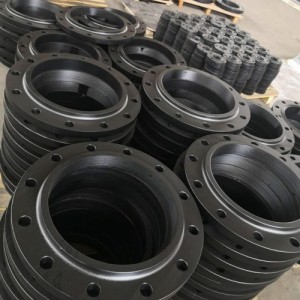
Professional Wholesale OEM BS Stainless Steel C...
-
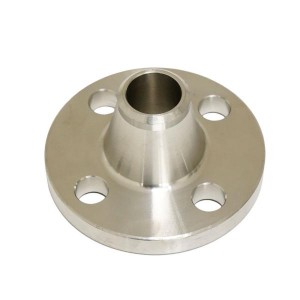
Welding Neck Flange Slip-on Flange Socket-Weldi...
-

Plate Weld Flange
A Plate Weld Flange (PL Flange) is a flat, circular disc with bolt holes, designed to connect pipes, valves, pumps, and other equipment in piping systems. Unlike welding neck flanges (WN), plate flanges are simpler in design and welded directly to the pipe by fillet welding at the backside. Key Features: ✔ Simple & Cost-Effective – Made from a flat plate, reducing material and machining costs. ✔ Easy Installation – Requires only fillet welding (no beveling needed). ✔ Wide Applications – U...
-
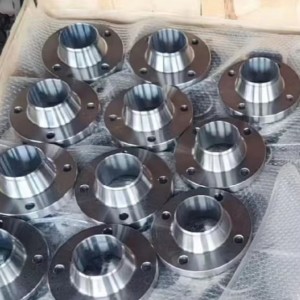
DIN GOST BS ASME B16.5 ANSI Stainless Steel SS3...
-

Wholesale Slip On Weld Flange
A Slip-On Weld Flange (SO flange) is a type of pipe flange designed to slide over the pipe and then be welded in place, both inside and outside, to ensure a secure connection. It is widely used in piping systems for its ease of installation, cost-effectiveness, and moderate pressure handling capability. 1. Key Features ✔ Easy Installation – Slides onto the pipe before welding, making alignment simpler than weld neck flanges. ✔ Cost-Effective – Requires less material than weld neck flanges, re...