
Stainless Steel Fittings: A Comprehensive Guide
Introduction
Stainless steel fittings are essential components in piping systems, used to connect, control, and direct the flow of fluids and gases. They are widely utilized in various industries, including oil and gas, chemical processing, food and beverage, and water treatment, due to their durability, corrosion resistance, and versatility.
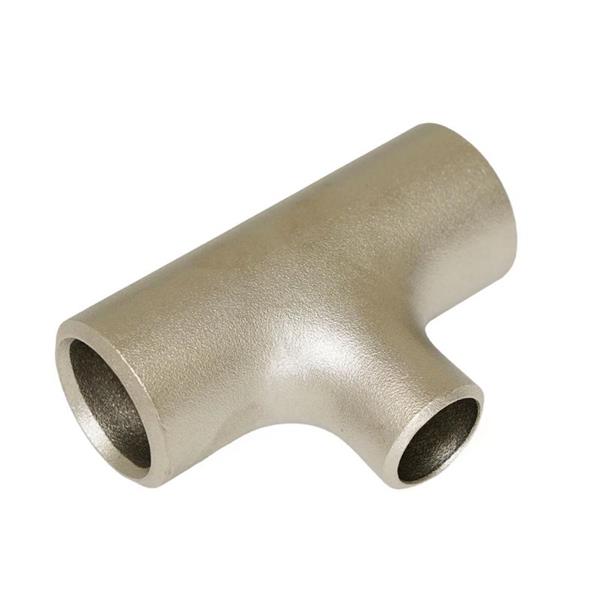
What are Stainless Steel Fittings?
Stainless steel fittings are mechanical devices made from stainless steel that facilitate the connection of pipes, tubes, and hoses. They come in various shapes and sizes, designed to accommodate different applications and requirements. The most common types of stainless steel fittings include elbows, tees, reducers, couplings, and flanges.
Types of Stainless Steel Fittings
- Elbows: Used to change the direction of the piping system, elbows are available in various angles, typically 45° and 90°.
- Tees: These fittings allow for the branching of a pipeline, connecting three sections of pipe at a T-junction.
- Reducers: Used to connect pipes of different diameters, reducers help to manage flow and pressure in a system.
- Couplings: These fittings connect two sections of pipe, allowing for easy extension or repair of a piping system.
- Caps: Used to seal the end of a pipe, caps prevent the flow of fluids and gases.
- Flanges: While often considered separately, flanges are also fittings that provide a means to connect pipes and equipment securely.
Material Grades
Stainless steel fittings are available in various grades, with the most common being:
- 304 Stainless Steel: Known for its good corrosion resistance and formability, suitable for a wide range of applications.
- 316 Stainless Steel: Offers superior corrosion resistance, especially in marine and chemical environments, making it ideal for more demanding applications.
- Duplex Stainless Steel: Combines the benefits of austenitic and ferritic stainless steels, providing high strength and excellent resistance to stress corrosion cracking.
- Corrosion Resistance: Stainless steel is highly resistant to rust and corrosion, making it suitable for harsh environments and ensuring longevity.
- Durability: These fittings can withstand high temperatures and pressures, making them reliable in demanding applications.
- Versatility: Available in various sizes and configurations, stainless steel fittings can be used in numerous applications across different industries.
- Hygienic Properties: Stainless steel is easy to clean and maintain, which is crucial in industries like food and beverage.
Advantages of Stainless Steel Fittings
Applications
Stainless steel fittings are used in a variety of applications, including:
- Oil and Gas: For connecting pipelines and equipment in exploration, production, and refining processes.
- Chemical Processing: In reactors, heat exchangers, and storage tanks where chemical resistance is essential.
- Food and Beverage: In processing equipment where hygiene and cleanliness are paramount.
- Water Treatment: For connecting pipes in treatment plants and distribution systems.
Conclusion
Stainless steel fittings play a vital role in the functionality and efficiency of piping systems across various industries. Understanding the different types, material grades, and advantages of stainless steel fittings can help in selecting the right components for specific applications. Whether in oil and gas, chemical processing, or food production, choosing the appropriate stainless steel fittings is crucial for ensuring the safety and reliability of operations.
Maria
Post time: Dec-18-2025