
⚙️Grooved Pipe Fittings for Marine Engine Room Vibration Absorption
Our precision-engineered grooved pipe fittings are specifically designed for marine shipbuilding applications, providing outstanding vibration absorption, flexible coupling, and reliable sealing performance in engine room pipeline systems. Browse our core marine-grade solutions below.
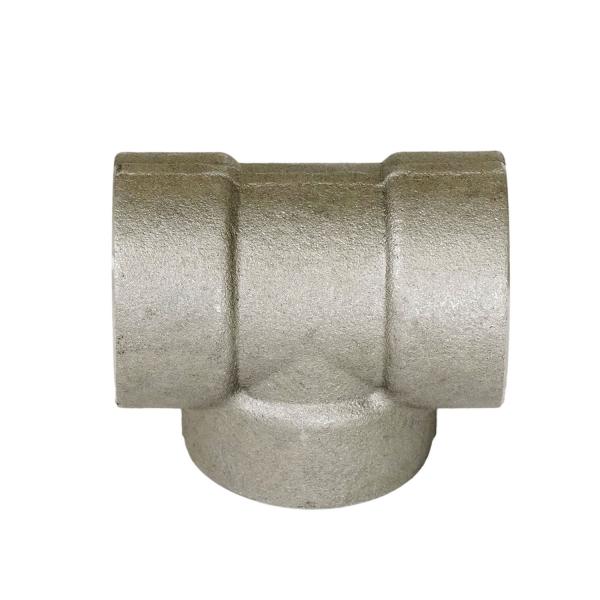 Marine Engine Room Carbon Steel Butt Weld Equal Tee — Vibration Absorption Pipeline Fitting
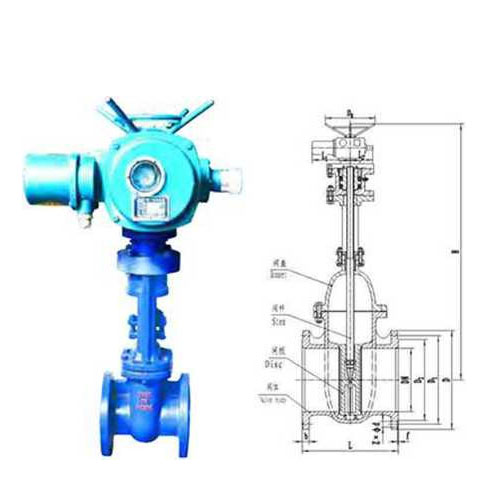 Marine Shipbuilding Engine Room Electric Parallel Double Gate Valve Z944T/W-10/10Q
 Marine Engine Room Wedge Gate Valve A+Z45T/W-10/16 — Grooved Pipeline Systems
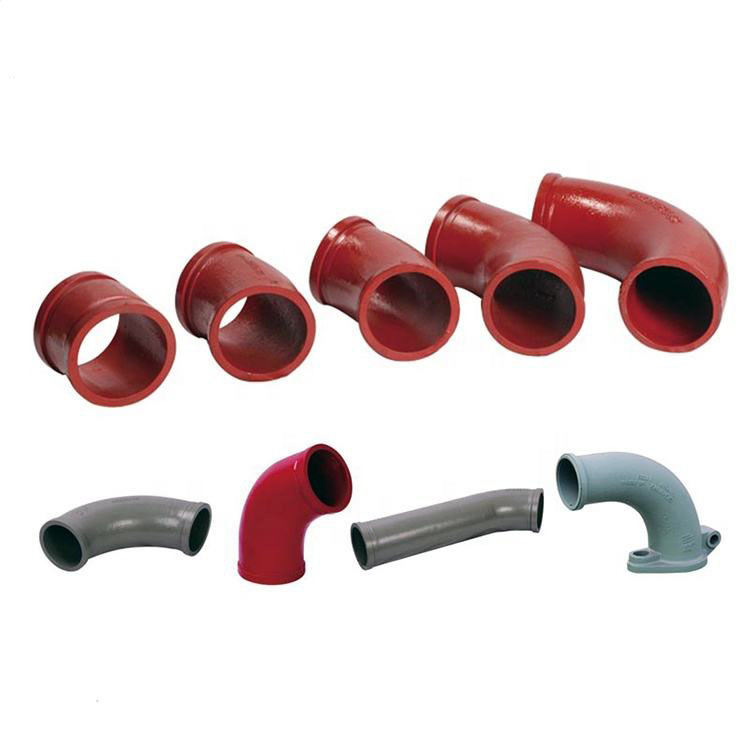 Marine High Pressure Water Pipes CPVC/UPVC ASTM SCH80 — Shipbuilding Plumbing Solutions
What Are Grooved Pipe Fittings & Why They Matter in Marine Applications
Grooved pipe fittings use a mechanical joining method where a groove is rolled or cut into the pipe end, allowing a coupling to clamp over the groove and seal the joint with an elastomeric gasket. This design inherently absorbs vibration, accommodates pipe movement, and dramatically reduces installation time compared to welded or flanged alternatives — making it the preferred choice for modern marine shipbuilding engine rooms worldwide.
Mechanical Grooved Coupling Technology
The grooved coupling system clamps securely over rolled or cut grooves on pipe ends, creating a rigid or flexible joint that handles pressure, angular deflection, and thermal expansion — critical for the dynamic environment of a marine engine room.
Vibration Isolation & Noise Reduction
Flexible grooved couplings incorporate elastomeric gaskets that act as vibration dampeners between pipe segments. In shipbuilding, engine-generated vibrations can cause significant fatigue damage to rigid piping — grooved fittings effectively decouple these forces, extending system lifespan.
Rapid Installation & Maintenance
Unlike welded joints, grooved pipe fittings can be assembled and disassembled without hot work permits, reducing dry-dock time and onboard maintenance costs. This is a significant operational advantage for shipbuilding yards and fleet operators alike.
🌐 Industry Status & Global Market Trends
The global marine shipbuilding sector is undergoing a significant transformation. With increasing demands for fuel efficiency, environmental compliance (IMO 2030/2050 regulations), and vessel automation, the adoption of advanced grooved pipe fitting systems for engine room vibration management is accelerating rapidly across all major shipbuilding nations.
📈 Rising Demand for Flexible Coupling Systems
As LNG carriers, container ships, and naval vessels grow in size and complexity, the need for flexible grooved coupling systems that absorb vibration and accommodate thermal movement in engine rooms has surged globally, particularly in South Korea, China, Japan, and European shipyards.
🌱 Green Shipbuilding & Material Innovation
Environmental regulations are driving demand for corrosion-resistant grooved fittings in duplex stainless steel and high-alloy materials, capable of handling alternative fuels (LNG, hydrogen, methanol) and aggressive seawater cooling circuits in next-generation engine rooms.
🔧 Modular Shipbuilding Trends
The global shift toward modular and prefabricated shipbuilding blocks has accelerated adoption of grooved pipe fitting systems, since these joints can be pre-assembled in workshops and bolted together on-site — perfectly matching the modular construction workflow.
🤖 Digitalization & Smart Maintenance
Integration of IoT sensors within grooved coupling assemblies allows real-time monitoring of vibration levels, joint integrity, and gasket condition, supporting predictive maintenance strategies for modern smart vessels and reducing unexpected downtime.
🚢 Deep Application Scenarios in Marine Engine Rooms
Grooved pipe fittings serve critical roles across multiple systems within a marine shipbuilding engine room. Here we explore the key application scenarios where vibration absorption performance is paramount to vessel safety and operational efficiency.
Main Engine Cooling Water Systems
High-power marine diesel engines generate intense vibrations. Flexible grooved couplings in cooling water pipelines absorb these pulsations, preventing fatigue cracking at pipe joints and protecting heat exchangers from mechanical stress over the vessel's service life.
Fuel Oil Supply & Return Lines
Grooved fittings with oil-resistant elastomeric gaskets are deployed in heavy fuel oil (HFO), marine diesel oil (MDO), and LNG fuel supply circuits, where vibration-induced leaks could pose catastrophic fire and pollution risks. The grooved joint's inherent flexibility significantly reduces such risk.
Exhaust Gas Recirculation (EGR) Systems
Modern IMO-compliant vessels use EGR systems to reduce NOx emissions. The high-temperature, high-vibration environment of EGR pipework demands heat-resistant grooved fittings in alloy or stainless steel that maintain seal integrity under thermal cycling and vibration simultaneously.
Seawater Cooling & Ballast Systems
Seawater pipework in engine rooms is subject to corrosion, vibration from pumps, and pressure surges. Grooved couplings with EPDM gaskets provide excellent flexibility and corrosion resistance, ensuring the longevity of seawater cooling and ballast piping networks.
Lubricating Oil Circulation Systems
Lube oil systems supplying main engines, gearboxes, and auxiliary machinery require vibration-isolated pipe joints to prevent oil leakage. Grooved fittings with nitrile rubber gaskets deliver proven performance in these high-pressure, vibration-rich environments.
Fire Suppression & Safety Systems
Engine room fire suppression pipework — including CO₂, water mist, and foam systems — relies on grooved fittings for rapid, reliable installation. The flexibility of grooved joints also ensures system integrity is maintained even during significant hull deflection or engine vibration events.
Technical Advantages of Our Grooved Pipe Fittings
Certified Marine-Grade Materials
Our grooved fittings are manufactured from ASTM A234 WPB carbon steel, 304/316L/904L stainless steel, and low-temperature alloys — all meeting international marine classification society standards including BV, DNV-GL, ABS, LR, and CCS.
Wide Diameter Range: 1/2" to 36"
From small-bore instrument lines to large-diameter main seawater intake pipework, our grooved fittings cover the complete diameter range required for comprehensive marine engine room pipeline system design.
Rigorous Quality Testing
Every fitting batch undergoes hydrostatic pressure testing, ultrasonic inspection, chemical analysis, X-ray examination, and eddy current testing — ensuring zero-defect delivery to shipyards and marine contractors worldwide.
Extreme Temperature Performance
Engineered for marine operating conditions from cryogenic LNG service (-196°C) to high-temperature exhaust systems (+600°C), our fittings maintain dimensional stability and sealing performance across the full range of marine engine room temperatures.
About Hebei Cangrun Pipeline Equipment Co., Ltd.
ISO 9001 Certified Manufacturer — Your Trusted Partner for Marine Pipeline Systems
As an ISO 9001:2000 approved manufacturer, HEBEI CANGRUN PIPELINE EQUIPMENT CO., LTD provides high quality, competitively priced industrial pipes, industrial pipe fittings, industrial flanges and industrial valves to global marine, offshore, and industrial clients. We import the most advanced production equipment, technologies and scientific production processes, and have invested in a comprehensive line of testing equipment for chemical analysis, hydrostatic pressure testing, X-ray inspection, ultrasonic testing, eddy current inspection, tension testing, and chemical composition verification.
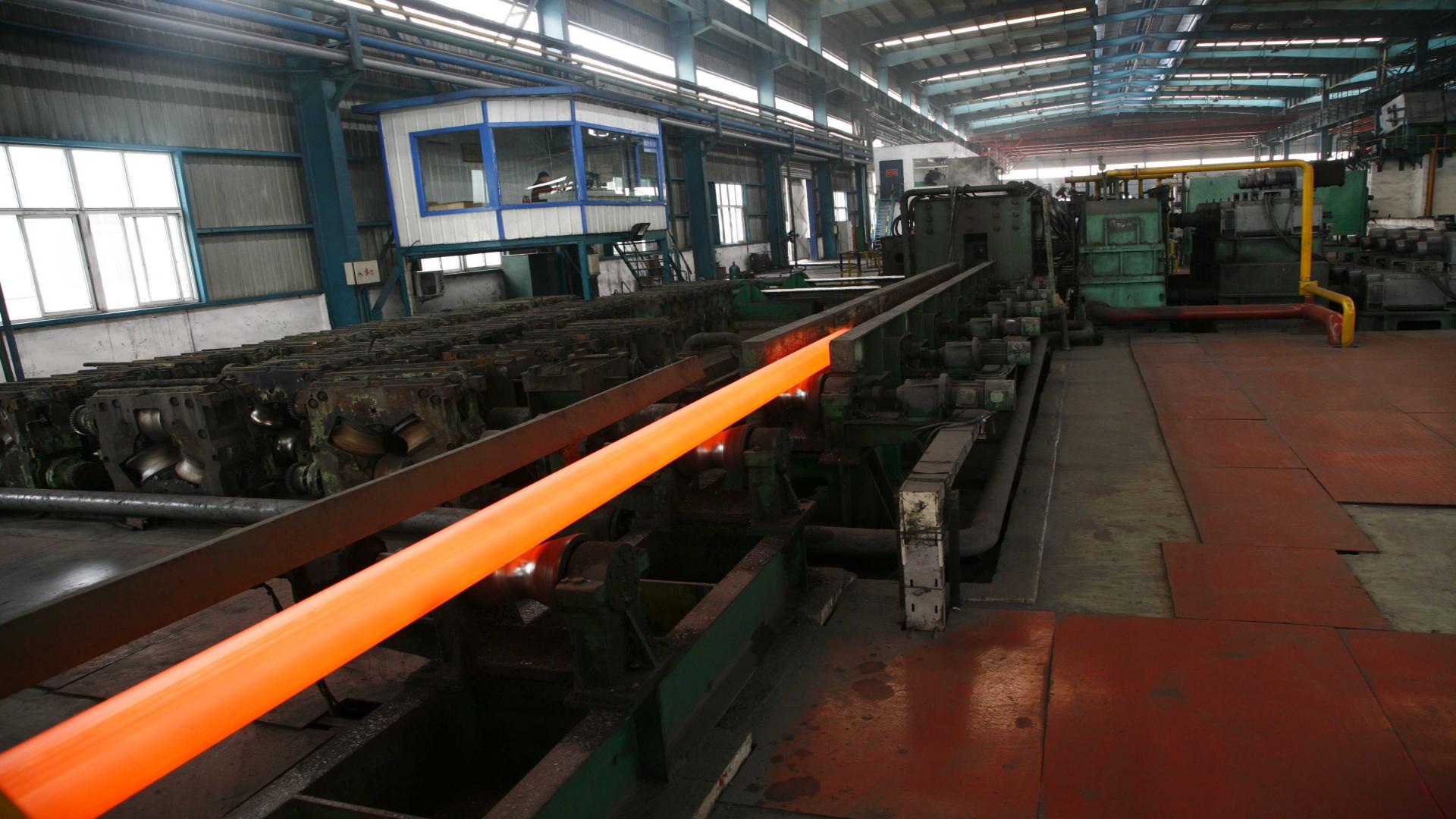
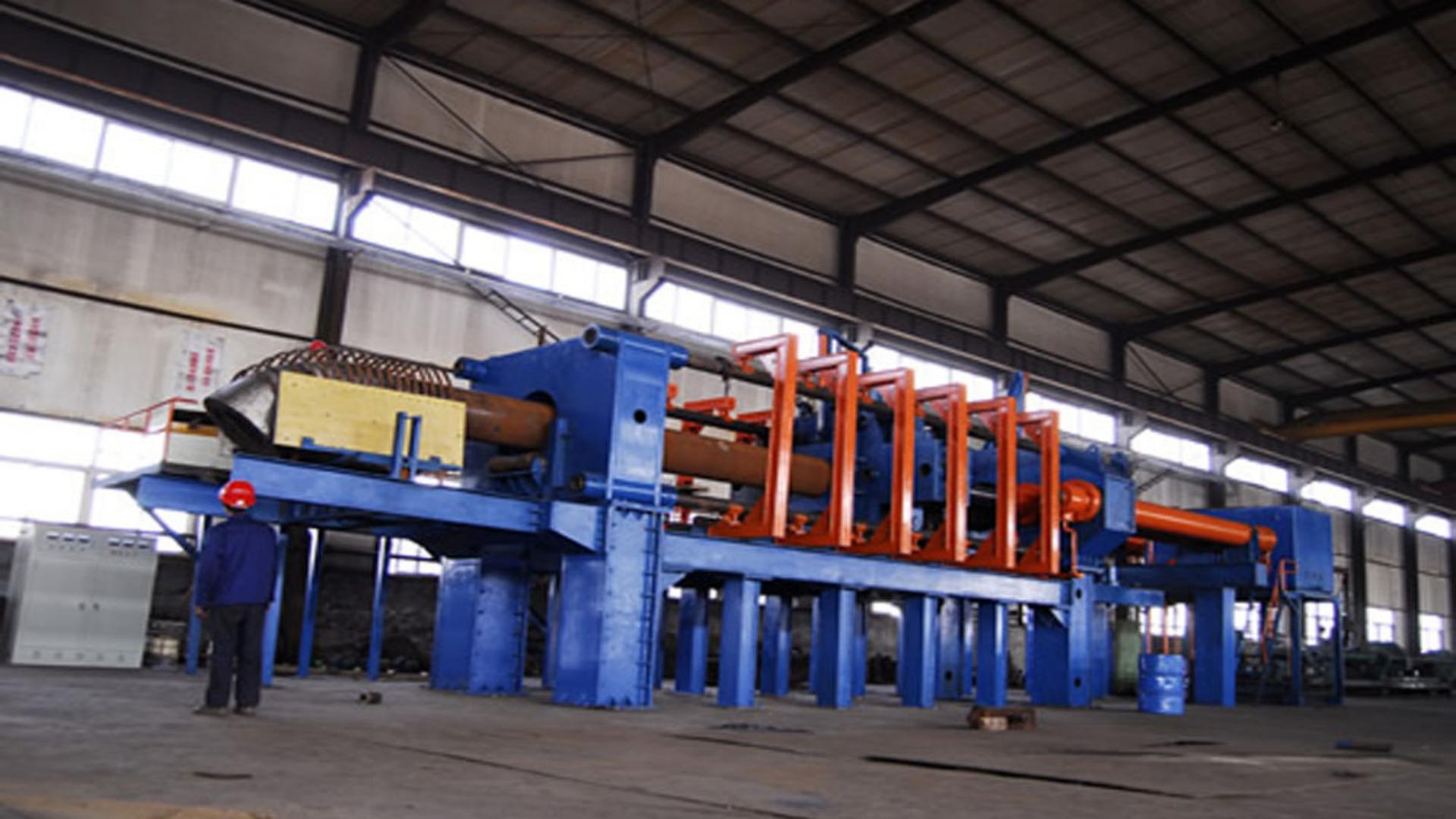
Our company has strong technical force backed by complete production equipment — over 120 sets in total, including an 8,000-ton four-column press, 1,600-ton pushing machine, 800-ton large pipe bending machine, and 8-ton forging hammer. We produce valves, flanges, elbows, tees, crosses, reducers, pipe caps, sockets, and all other pipe fitting categories across carbon steel, alloy steel, stainless steel, pipeline steel, and low-temperature steel materials, to both domestic and international industrial standards.
Quality first, customer first — this is our unwavering purpose. You can feel fully secure in choosing our marine-grade industrial pipes, pipe fittings, flanges, and valves for your shipbuilding engine room projects.
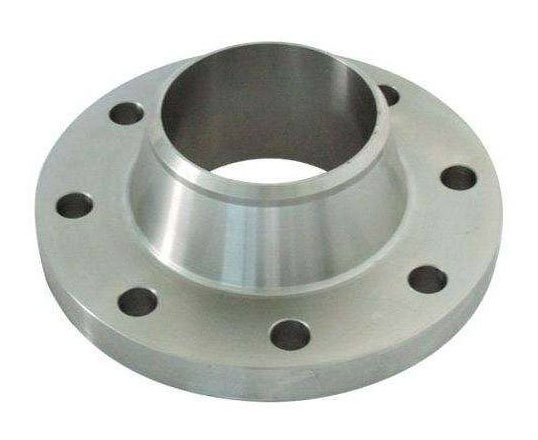
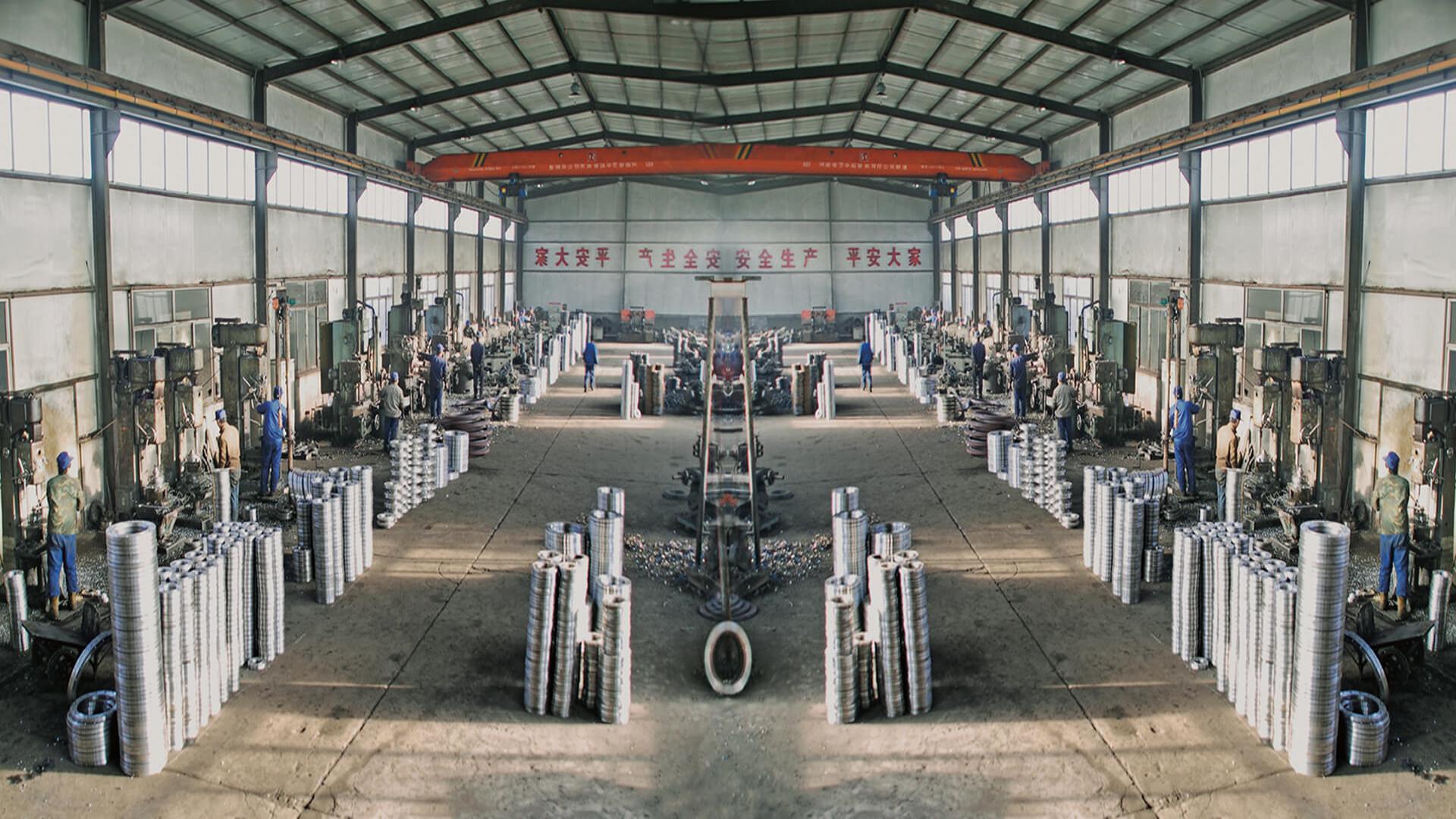
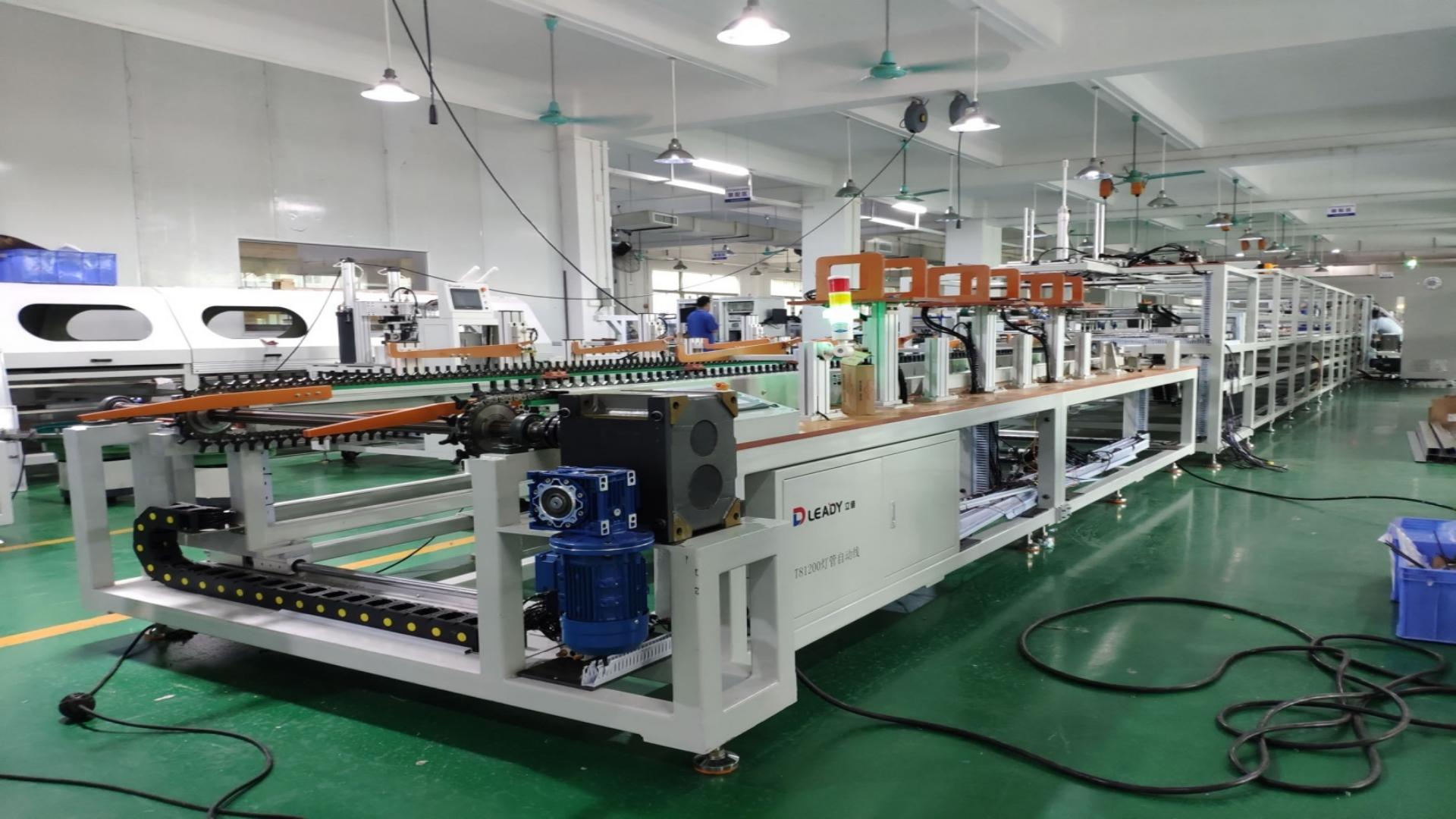
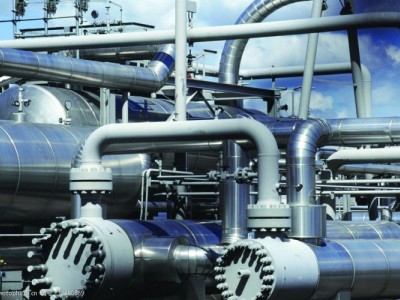
Company's Facility
Our state-of-the-art manufacturing facility is equipped with advanced production lines, precision testing centers, and quality control systems, ensuring every grooved pipe fitting we deliver meets the highest standards demanded by global marine shipbuilding clients.


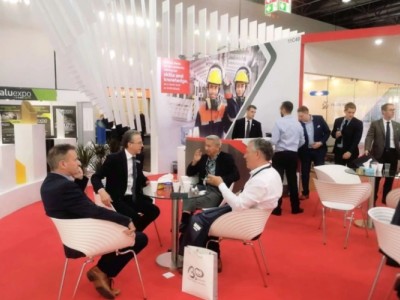
Our Clients & Marine Application Projects
Our grooved pipe fittings have been successfully applied across numerous marine shipbuilding engine room vibration absorption projects worldwide, earning the trust of leading shipyards, marine contractors, and vessel operators globally.


More Marine Shipbuilding Engine Room Pipeline Products
Explore our complete range of marine-grade pipe fittings, valves, flanges, and pipeline accessories — all engineered for reliability, vibration resistance, and long-term performance in the most demanding shipbuilding and offshore environments.
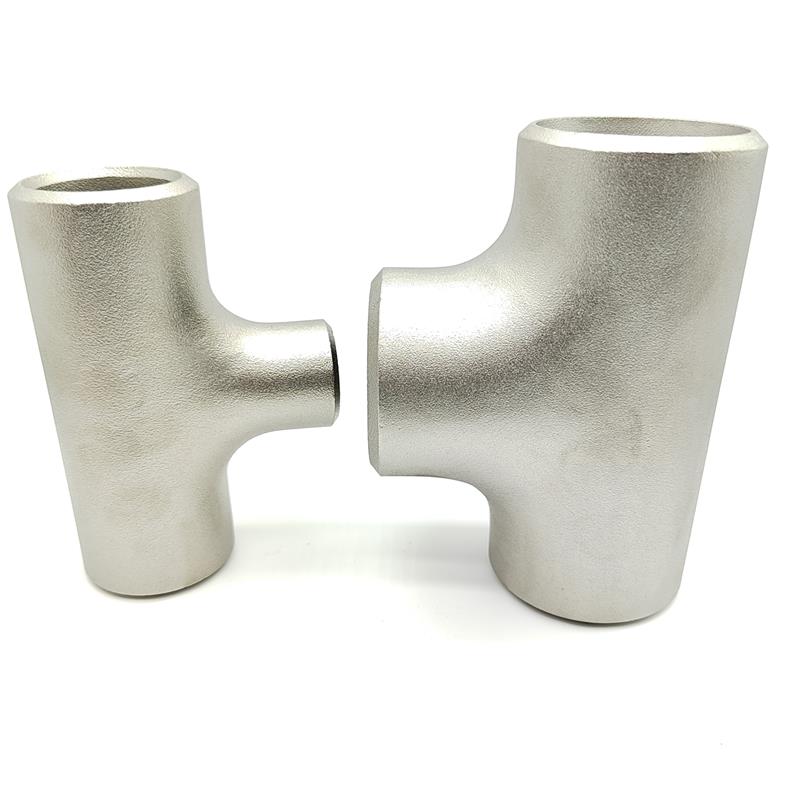 Marine Engine Room Seamless Stainless Steel Pipe Fitting Tee 304/316L/904L/321/310
 Marine Grooved Pipeline Carbon Steel Pipe Nipples 1/2×3
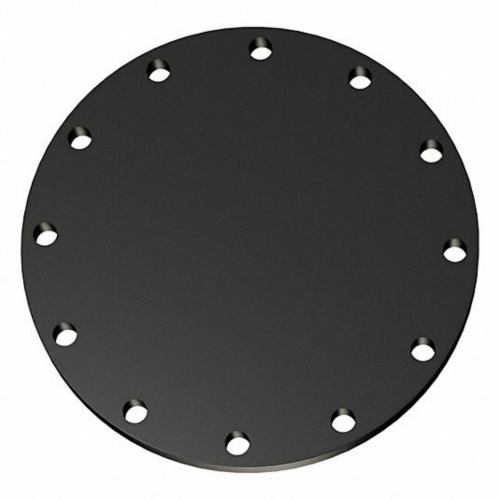 Marine Engine Room Pipeline Flange A105 DN100 PN16
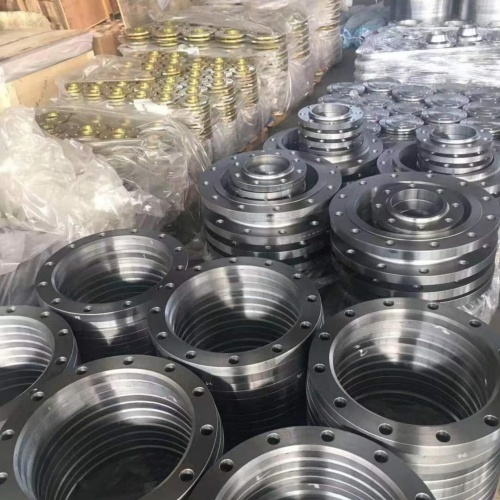 JIS Standard Flange — Marine Shipbuilding Pipeline Systems