
Featured Pipe Fittings for Boiler Feedwater Pressure Systems
High-performance fittings engineered for industrial boiler feedwater pump pressure transition applications.
Galvanized Pipe Fittings in Industrial Boiler Feedwater Pump Systems
In modern industrial power generation and process manufacturing, the reliability of a boiler feedwater pump system is non-negotiable. Among all the components that govern the safe and efficient transfer of high-pressure water from the feed pump to the boiler drum, galvanized pipe fittings occupy a uniquely critical role. Properly specified galvanized fittings not only protect the pipeline network against aggressive corrosion but also ensure dimensional accuracy at every pressure transition point — from low-suction zones to high-discharge zones — thereby preventing leaks, downtime, and costly failures.
The term "pressure transition" in the context of boiler feedwater pump circuits refers to the specific junctions, bends, reducers, and branch connections where fluid pressure changes significantly. These locations experience the highest mechanical stress concentrations in the entire system, making material selection and fitting geometry critically important. Galvanized carbon steel pipe fittings — through their combined mechanical strength and zinc-layer corrosion protection — are widely regarded as the industry-standard solution for these demanding zones, particularly in utility boilers, industrial process boilers, and marine steam generating systems.
Why Pressure Transitions Are the Most Critical Zones
Pressure transitions in feedwater pump circuits — including reducers, elbows, and tee branches — are subject to water hammer, thermal cycling, and pressure surges exceeding design limits by up to 30%. Galvanized fittings with certified wall thickness (SCH80–SCH160) provide the structural margin needed to absorb these dynamic loads safely.
Market Overview: Commercial & Industrial Status
The global market for industrial boiler feedwater systems has experienced sustained growth over the past decade, driven by expansion in power generation infrastructure, district heating networks, and chemical process industries across Asia, the Middle East, and emerging economies in Africa and Southeast Asia. According to industry analysis, the global industrial pipe fittings market was valued at over USD 14.8 billion in 2023, with galvanized fittings comprising a significant share due to their cost-to-performance advantage over stainless alternatives in medium-pressure applications (Class 150–Class 600).
China remains the dominant manufacturing hub, particularly in Hebei Province's Cangzhou region — internationally recognized as the "Capital of Elbow Pipe Fittings" — where advanced forging and forming technologies enable the production of galvanized fittings meeting ASME B16.9, ANSI B16.5, DIN, and JIS standards simultaneously. This geographic concentration of expertise allows buyers worldwide to source high-quality pressure-rated galvanized fittings at competitive pricing with short lead times, fundamentally reshaping procurement strategies for boiler system operators globally.
From a commercial standpoint, galvanized pipe fittings for boiler feedwater systems are increasingly specified in engineering procurement construction (EPC) contracts due to their compliance with international standards, verifiable traceability through material test reports (MTRs), and compatibility with both threaded and butt-weld assembly methods. This flexibility makes galvanized fittings the preferred choice for contractors working across multiple regulatory jurisdictions.
Technical Requirements for Boiler Feedwater Pressure Transitions
Boiler feedwater pump systems typically operate at pressures ranging from 10 bar in small industrial installations to over 300 bar in supercritical power plants. At every pressure transition point, fittings must meet stringent criteria:
Wall Thickness Compliance: For high-pressure transitions, fittings conforming to SCH80, SCH120, or SCH160 schedules are mandated. The relationship between pipe schedule, design pressure, and fluid temperature is governed by ASME B31.1 (Power Piping) and ASME B31.3 (Process Piping), requiring engineers to calculate the minimum required thickness incorporating corrosion allowances, mill tolerance factors, and longitudinal joint efficiency values.
Galvanization Specification: Hot-dip galvanizing (HDG) conforming to ASTM A153 or ISO 1461 provides a zinc coating thickness typically between 45–85 μm, delivering far superior corrosion resistance compared to electroplated coatings. For feedwater systems conveying treated demineralized water or slightly alkaline condensate returns, HDG fittings effectively resist oxygen-induced pitting corrosion in the temperature range of 50–180°C, the typical operating window for economizer and low-pressure feedwater circuits.
Dimensional Accuracy: Pressure transition components — especially concentric and eccentric reducers — must meet ASME B16.9 dimensional tolerances to ensure proper alignment with pumps, valves, and instruments. Misalignment at reducer connections is a leading cause of vibration-induced fatigue failure in feedwater pump discharge lines.
Development Trends in Galvanized Fittings for Industrial Boiler Applications
Key innovations and industry directions shaping the future of pressure transition components.
Smart Manufacturing & CNC Precision
Advanced CNC machining and 8,000-ton hydraulic forging presses enable micrometer-level dimensional control, ensuring zero-leak performance at critical boiler pressure transition joints.
Enhanced Alloy Compositions
Low-alloy carbon steels with controlled manganese and chromium additions are replacing plain carbon grades, boosting tensile strength by 15–20% for high-temperature feedwater service above 250°C.
Green Galvanizing Processes
Closed-loop zinc recovery systems and lead-free galvanizing baths are becoming standard, reducing heavy-metal waste by over 90% while maintaining coating quality to ASTM A153 specifications.
Digital Traceability & QR Coding
Laser-engraved QR codes on each fitting link to full material test reports, NDT results, and heat treatment records — enabling real-time traceability demanded by modern EPC and power utility specifications.
Global Standards Harmonization
Manufacturers are increasingly producing fittings certified to multiple standards simultaneously (ASME, EN, DIN, JIS), eliminating supply chain fragmentation for multinational boiler projects.
Prefabricated Spool Assemblies
Factory-assembled galvanized pipe spool pieces for boiler feedwater pump skids reduce site installation time by up to 40%, lowering labor costs and improving joint quality consistency.
In-Depth Application Scenarios: Galvanized Fittings in Boiler Feedwater Systems
A detailed breakdown of where and how galvanized pipe fittings perform in real industrial environments.
The integration of galvanized pipe fittings throughout a boiler feedwater pump circuit spans multiple distinct zones, each with specific pressure, temperature, and corrosion challenges. Understanding these application layers allows procurement engineers and project managers to make optimized material selections that balance cost, service life, and safety margin.
1. Pump Suction Side — Low-Pressure Transition Zone
At the suction inlet of the boiler feedwater pump, the system operates at the lowest pressure in the circuit — typically 1–5 bar — but is highly susceptible to cavitation if improper fitting geometries create turbulence or flow restrictions. Eccentric reducers in galvanized carbon steel are the mandated fitting type at horizontal pump suctions (flat side up), ensuring no air pockets accumulate. Galvanized elbows (45° and 90°, long-radius) are preferred over short-radius alternatives to minimize pressure drop and flow-induced vibration upstream of the pump impeller.
2. Pump Discharge — High-Pressure Transition Zone
The pump discharge side represents the most severe service condition for pipe fittings. After the pump, pressures can range from 25 bar in industrial process plants to over 200 bar in utility power stations. Here, galvanized SCH120 and SCH160 butt-weld elbows and tees in ASTM A234 WPB material are standard. The galvanized coating on these high-schedule fittings serves dual purposes: external corrosion protection in humid or coastal plant environments, and an identification marker distinguishing these critical high-pressure components from lower-pressure alternatives during installation.
3. Economizer & Low-Pressure Feedwater Heater Connections
Between the deaerator and the high-pressure feedwater heaters, the piping system handles feedwater at 130–200°C. Galvanized concentric reducers and weld-neck flanges rated Class 300 or 600 are widely specified for the transition connections to heat exchanger nozzles. The zinc coating in this temperature range remains stable and provides sacrificial protection against galvanic corrosion in systems where copper alloy heat exchanger tubes introduce copper ions into the feedwater stream — a known corrosion initiator on carbon steel surfaces.
4. Recirculation & Minimum-Flow Bypass Lines
To protect the boiler feedwater pump during low-load operation, a minimum-flow recirculation line returns a controlled flow from the pump discharge back to the deaerator or condensate storage tank. This line undergoes frequent throttling and high-velocity erosion at its control valve and downstream tee connections. Galvanized tees and elbows in this service must meet stringent erosion-corrosion resistance requirements. The zinc-iron alloy layers in hot-dip galvanized fittings have demonstrated superior erosion resistance compared to bare carbon steel in fluid velocities up to 4 m/s, the typical design limit for recirculation service.
5. Test & Inspection Connections
Throughout the feedwater pump system, instrument root valves, pressure gauge connections, and flow transmitter taps require small-bore threaded galvanized fittings in NPT, BSPT, or BSPP configurations. These screwed fittings, often in DN15–DN50 sizes, are the most numerous individual fittings in a typical feedwater circuit, numbering in the hundreds for a large boiler installation. Ensuring they are correctly specified — including proper thread form, sealant compatibility, and pressure rating — is critical to avoiding fugitive emissions and measurement errors.
| Application Zone | Fitting Type | Pressure Range | Key Standard |
|---|---|---|---|
| Pump Suction (Horizontal) | Eccentric Reducer, LR 45° Elbow | 1–5 bar | ASME B16.9 / ASTM A234 WPB |
| Pump Discharge | SCH120/160 Butt-Weld Elbow, Tee | 25–200 bar | ASME B31.1 / ASTM A234 WPB |
| Economizer Connections | Concentric Reducer, WN Flange Cl.300/600 | 10–50 bar | ANSI B16.5 / ASME B16.9 |
| Recirculation Line | Galv. Tee, 90° LR Elbow | 5–40 bar | ASTM A234 / ASME B31.3 |
| Instrument Connections | NPT/BSPT Threaded Caps, Couplings | Full system pressure | ASME B1.20.1 / ISO 7-1 |
About HEBEI CANGRUN PIPELINE EQUIPMENT CO., LTD.
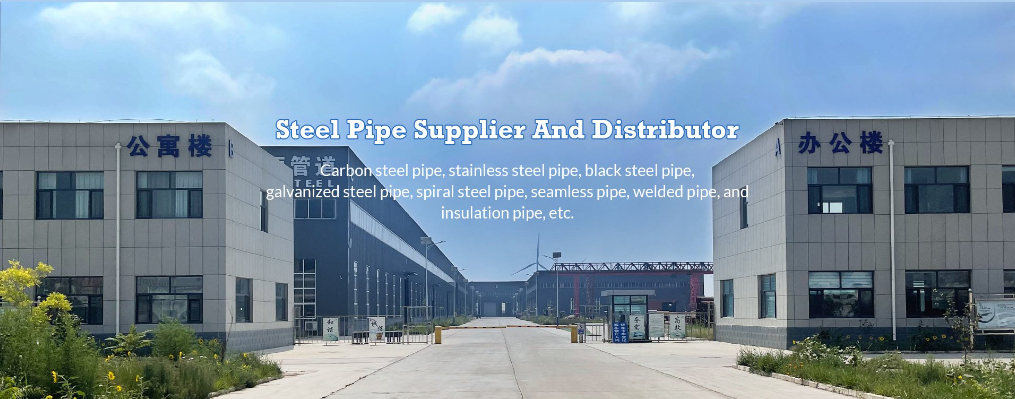
HEBEI CANGRUN PIPELINE EQUIPMENT CO., LTD. is a professional manufacturer of industrial pipes, industrial pipe fittings and valves. Its headquarter is located in Mengcun, Cangzhou, Hebei, the "capital of elbow pipe fittings in China". It covers an area of about 80,000 square meters, has 200 employees, total assets of 150 million, and an annual output of 100,000 tons. Our company has strong technical force. The production equipment is complete, with more than 120 sets of production equipment such as 8,000-ton four-column press, 1,600-ton pusher, 800-ton large-scale pipe bending machine, and 8-ton forging hammer. We have fifteen advanced production lines for flanges and pipe fittings. Forging, intermediate frequency pushing, machining, cold forming, hot extrusion, heat treatment and other exquisite craftsmanship. Equipped with advanced testing equipment such as chemical analysis, metallographic analysis, non-destructive testing, and mechanical performance experiments, it can produce various specifications of carbon steel, alloy steel, stainless steel, pipeline steel, and low-temperature steel that meet international and domestic standards for high, medium, and low pressures. And other valves, flanges, elbows, tees, crosses, reducers, caps, sockets and other pipe fittings of various specifications.

Our History

Our Enterprise Culture
- 📌 Philosophy Insist on quality first, customer first. Help every customer get better development.
- 🔭 Vision To become one of the best, continuous growth, respected pipe fittings manufacturing enterprises.
- 🎯 Mission Create value for consumers and share results with creators.
- 💎 Values Truth-seeking, enterprising, innovative, collaborative, sharing.

Complete Range of Pipe Fittings for Industrial Boiler Feedwater Pump Applications
Explore our full product line engineered for boiler feedwater pressure transition systems.
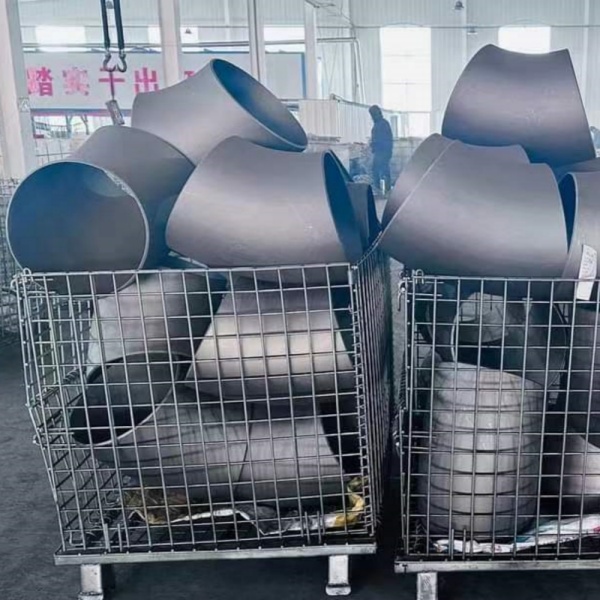 Carbon Steel 45° Elbow for Boiler Feedwater Transitions
 Carbon Steel Unequal Tee for Feedwater Pump Branch Connections
 Cast Steel Ball Valve Q41F-150LB(C) Boiler Feedwater Control
 Carbon Steel Elbow SCH120 1.5D — High-Pressure Boiler Service
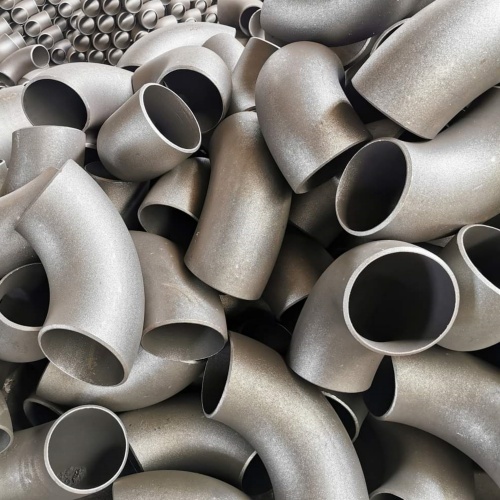 Carbon Steel 90° LR Bend for Feedwater Pump Discharge Lines
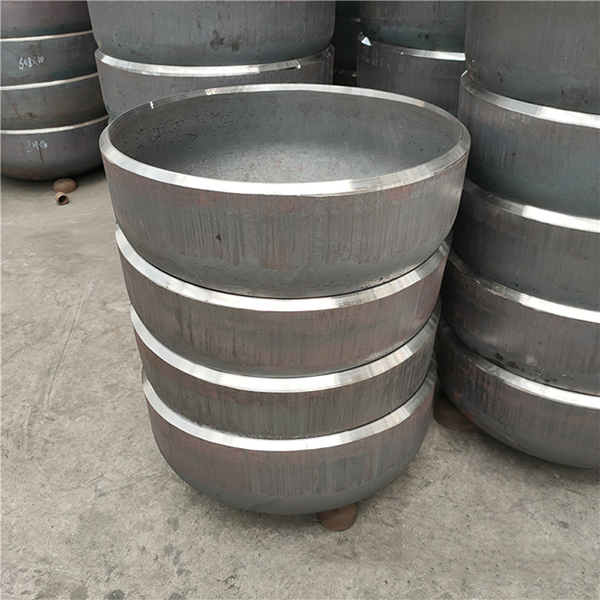 Stainless Steel Threaded Caps BSPP/BSPT/NPT for Boiler Instrument Points
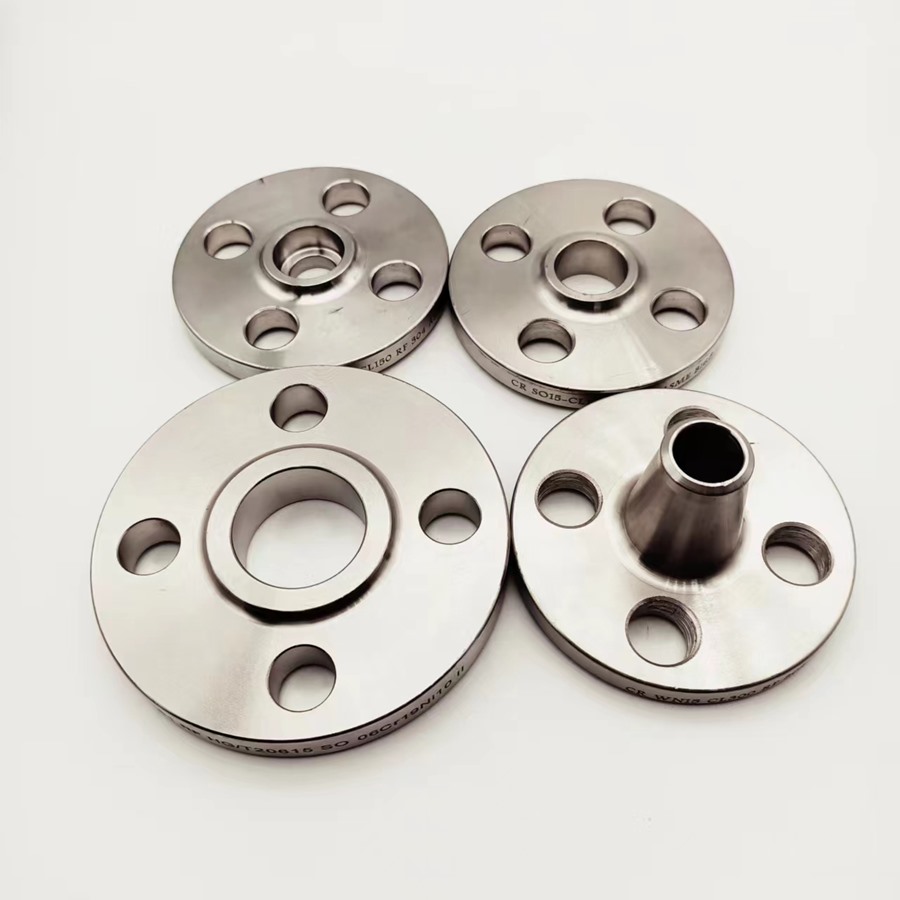 ANSI B16.5 RF 150lb Forged Weld Neck Flange — Boiler Feedwater Connections
 ASME B16.9 Concentric/Eccentric Reducer for Boiler Feedwater Pump Suction & Discharge