
Sprinkler Network Pipe Fittings — Featured Products

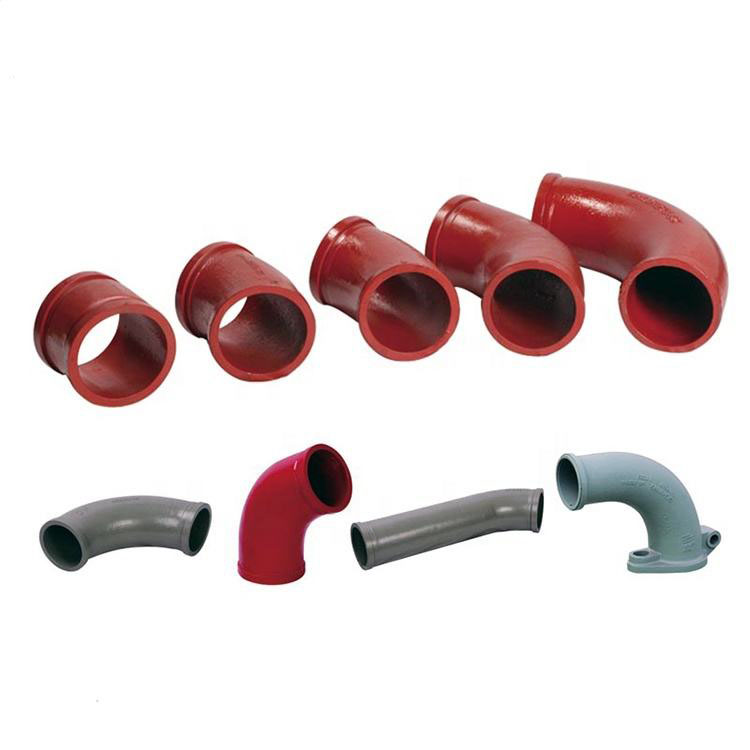


Copper Pipe Fittings in Commercial High-Rise Sprinkler Networks
As urban landscapes continue to evolve with ever-taller commercial towers, the fire protection infrastructure inside these structures has become more critical — and more technically demanding — than ever before. Copper pipe fittings have long been the material of choice for high-rise building sprinkler networks, offering a unique combination of durability, corrosion resistance, thermal stability, and long-term cost efficiency that few alternative materials can match.
🔑 Key Insight: According to NFPA 13 standards, wet-pipe sprinkler systems in commercial buildings above 55 meters must use pressure-rated fittings capable of sustaining 175 PSI or higher — a benchmark copper and high-grade forged steel fittings consistently exceed.
The Industrial and Commercial Landscape
The global fire suppression systems market is projected to exceed $28 billion by 2030, with commercial high-rise construction driving a significant share of that demand. In Asia-Pacific alone, over 500 new high-rise commercial buildings are completed each year, each requiring tens of thousands of pipe fittings specifically rated for sprinkler applications. Copper alloy fittings, particularly those conforming to ASTM B16.18 and B16.22, dominate this segment due to their solder-joint reliability and resistance to the internal water chemistry found in closed-loop sprinkler systems.
In North America and Europe, regulatory bodies continue to tighten code requirements around fire suppression in commercial towers. This has accelerated the adoption of standardized, certified fittings that can be traced through full material documentation — an area where manufacturers like HEBEI CANGRUN PIPELINE EQUIPMENT CO., LTD have invested heavily in quality control infrastructure.
Why Copper Fittings Dominate High-Rise Sprinkler Systems
The selection of pipe fitting material in a high-rise sprinkler network is not arbitrary. Copper pipe fittings offer several decisive technical advantages in this specific application context:
Corrosion resistance is perhaps the most critical factor. Sprinkler systems in commercial buildings are typically wet-pipe systems where water sits in the pipes permanently. Copper's natural resistance to both internal waterborne corrosion and external atmospheric oxidation makes it ideal for the decades-long service life expected in commercial real estate.
Thermal performance is another key factor. High-rise buildings experience significant thermal variation between mechanical rooms (which may be air-conditioned) and exposed exterior shafts. Copper's predictable thermal expansion coefficient allows system designers to plan expansion loops accurately, minimizing stress fractures over time.
Pressure rating consistency ensures that every fitting in a 50-story network can handle the static head pressure generated by water columns hundreds of feet tall. Forged copper and carbon steel fittings rated to 150LB or 300LB class are standard specifications in these installations.
Application Scenarios: Floor-by-Floor Sprinkler Distribution
In a typical commercial high-rise, the sprinkler distribution system follows a hierarchical network architecture. The main riser — a large-diameter vertical pipe — feeds horizontal branch lines on each floor through threaded tee fittings or grooved mechanical tees. These branch lines then connect to individual sprinkler heads via smaller diameter drops. At every junction, transition, and termination point, the right fitting is essential.
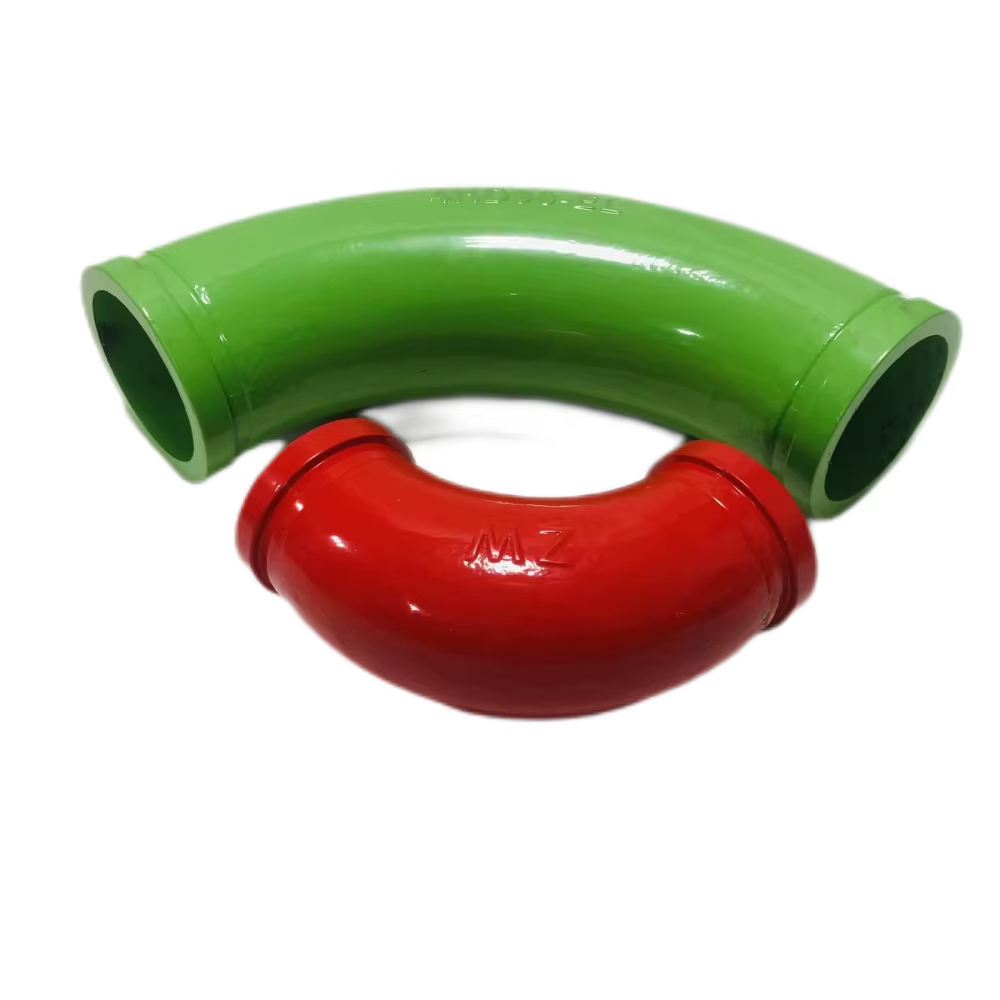
Specific fittings used in high-rise sprinkler applications include: equal tees for straight-run branch connections, reducing tees where the branch requires a smaller diameter, 90-degree and 45-degree elbows for routing pipes around structural elements such as beams and columns, couplings and unions for maintenance access sections, and pipe caps at temporary or permanent termination points during phased construction.
In supertall buildings above 200 meters, intermediate pressure-reducing stations divide the system into hydraulic zones. Each zone acts as an independent system, requiring a full set of isolation valves, test connections, and drain fittings — all of which must meet the same rigorous specifications as the primary distribution network.
Industry At a Glance
Why Our Fittings Excel in Sprinkler Network Applications
Certified Pressure Ratings
All fittings rated to ASME B16.9, ASME B16.11, and ASTM standards, meeting NFPA 13 high-rise requirements.
Full Material Traceability
Chemical analysis, X-ray inspection, ultrasonic testing, and hydrostatic pressure testing on every batch.
Global Standards Compliance
Products conform to JIS, DIN, ISO, BS, and ANSI standards — ready for international high-rise projects worldwide.
Large-Scale Production Capacity
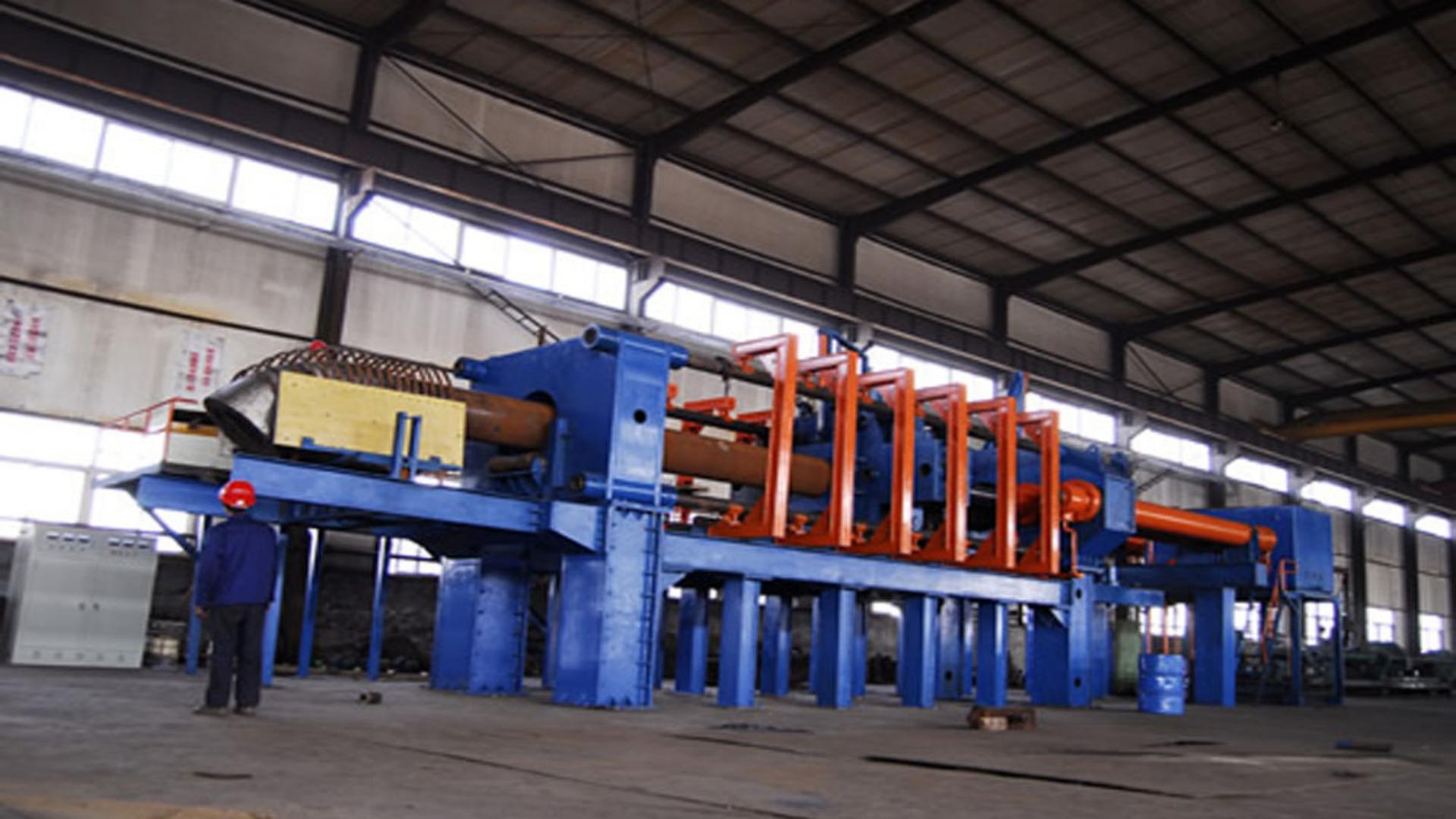
8000-ton press, 1600-ton pushing machine, and dedicated forging lines enable rapid, high-volume delivery for large construction projects.
Premium Materials Range
Carbon steel, alloy steel, stainless steel, low-temperature steel, and pipeline steel to suit diverse environmental and operating conditions.
Development Trends in High-Rise Sprinkler Pipe Fitting Technology
The commercial construction industry is undergoing rapid transformation, and the demands placed on fire suppression systems are evolving in parallel. Several key trends are reshaping the pipe fitting supply chain for high-rise sprinkler networks:
🔗 Grooved Mechanical Joining Systems
Grooved couplings are increasingly adopted as an alternative to threaded and welded connections in high-rise applications, reducing installation time by up to 50% and enabling easier maintenance access in tight mechanical rooms.
🌱 Sustainable & Lead-Free Materials
Global regulations, particularly in potable water adjacent systems, are driving demand for lead-free copper alloys and eco-certified materials. ASTM B584 C89833 "eco-brass" fittings are gaining traction in green-certified commercial buildings.
📡 Smart Monitoring Integration
IoT-enabled pressure sensors and flow monitors are increasingly embedded into sprinkler riser assemblies. Fittings must now accommodate sensor ports and instrumentation taps without compromising structural integrity.
🏗️ Prefabrication & Modular Assembly
Off-site prefabrication of sprinkler modules — complete with fittings, valves, and hangers pre-assembled — is becoming standard practice for large commercial projects, reducing on-site labor and improving quality consistency.
📋 BIM Integration & Digital Twins
Building Information Modeling (BIM) now incorporates pipe fitting specifications directly into digital project files. Manufacturers are increasingly required to provide BIM-compatible product data, including dimensional, material, and pressure rating information.
🔥 Ultra-High-Rise Demands
Buildings exceeding 300 meters require specialized hydraulic zone management, with pressure-rated fittings for each zone potentially exceeding 500 PSI. This is driving demand for Class 300 and Class 600 rated forged fittings.
Technical Specification Comparison: Sprinkler Fitting Types
| Fitting Type | Standard | Pressure Class | Material | Typical Application in High-Rise |
|---|---|---|---|---|
| Threaded Equal Tee | ASME B16.11 | 150LB / 3000LB | Forged Carbon Steel / Stainless | Branch connections on each floor distribution line |
| 90° Butt Weld Elbow | ASME B16.9 | Sch 40 / Sch 80 | A234 WPB Carbon Steel | Routing mains around structural beams & columns |
| Pipe Cap | ASME B16.9 | Sch 40 / Sch 80 | A234 WPB Carbon Steel | System termination, phased construction endpoints |
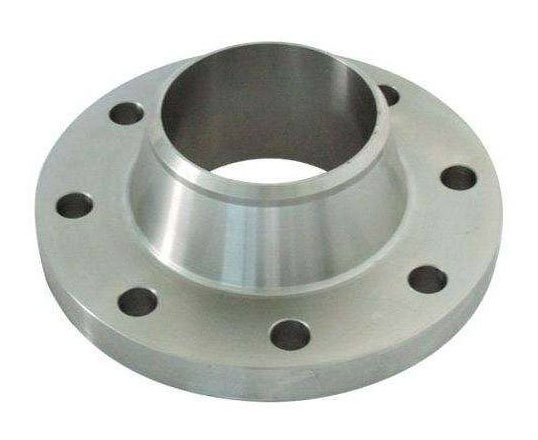
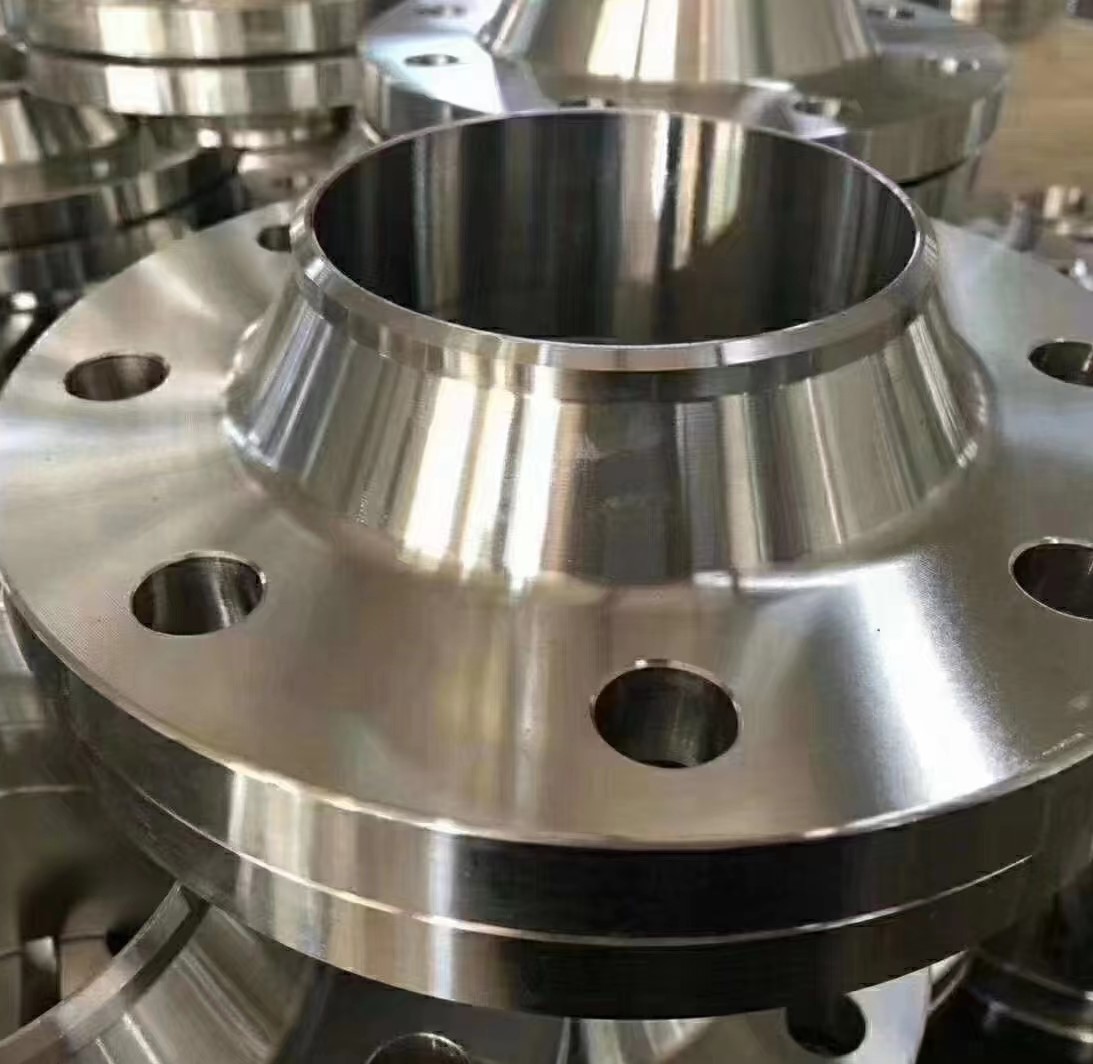
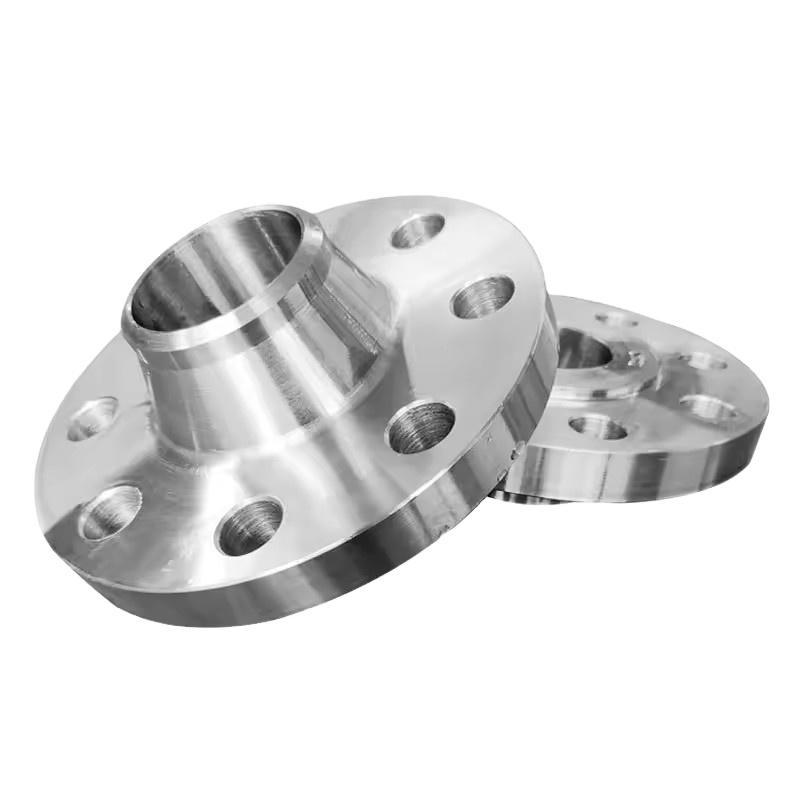
| Slip-On Flange | ASME B16.5 | Class 150 / 300 | A105 Forged Steel | Riser isolation valve connections, pump discharge flanges |
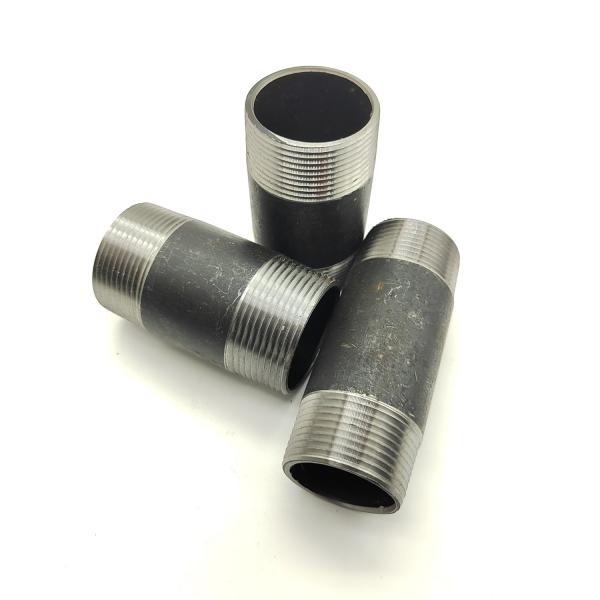
| Steel Nipple | ASME B1.20.1 | Sch 40 / 80 | 316/316L Stainless Steel | Short connections at sprinkler heads, test & drain assemblies |
Our Product & Manufacturing Strength
Industry-Leading Production Capabilities
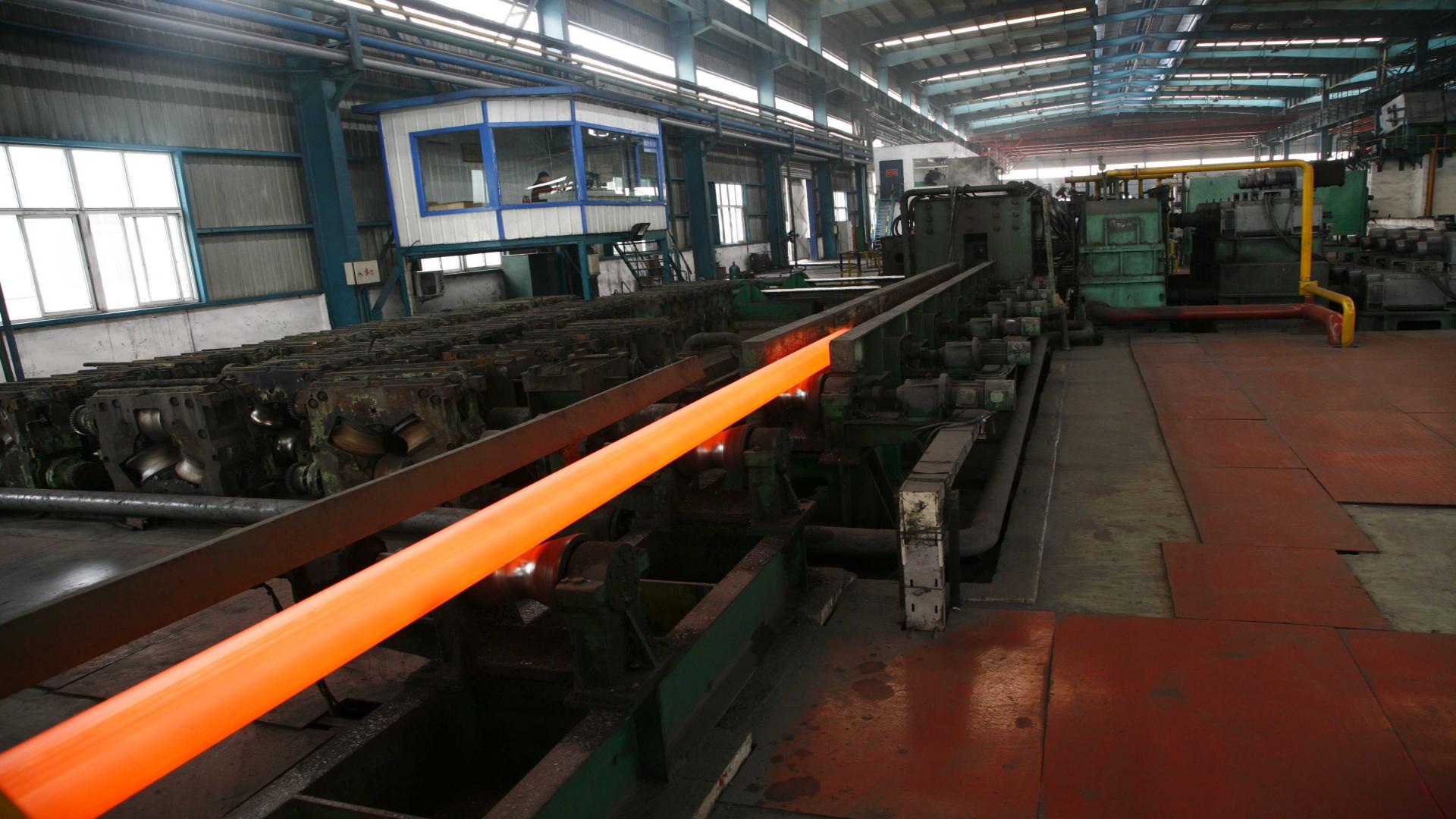
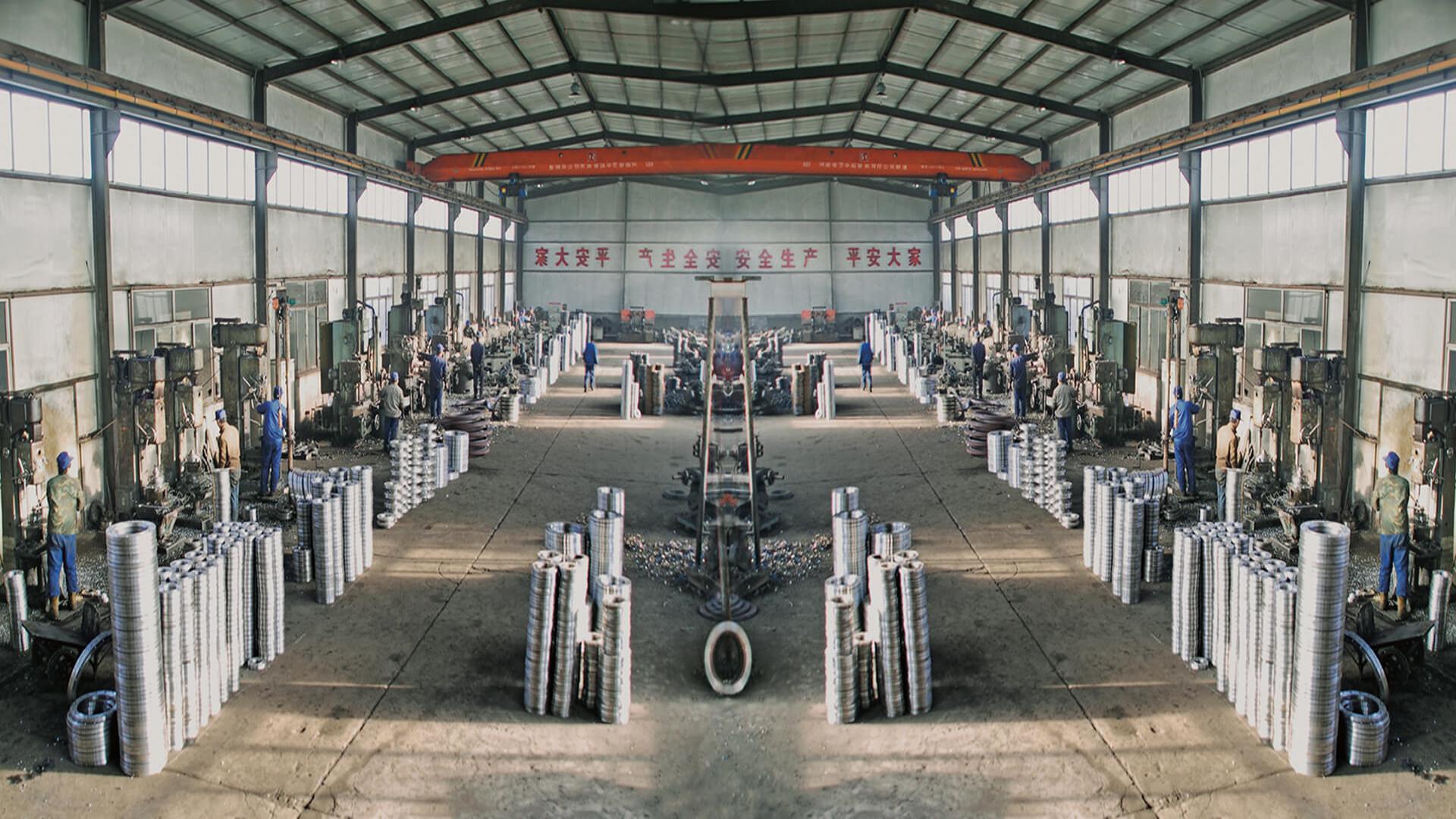
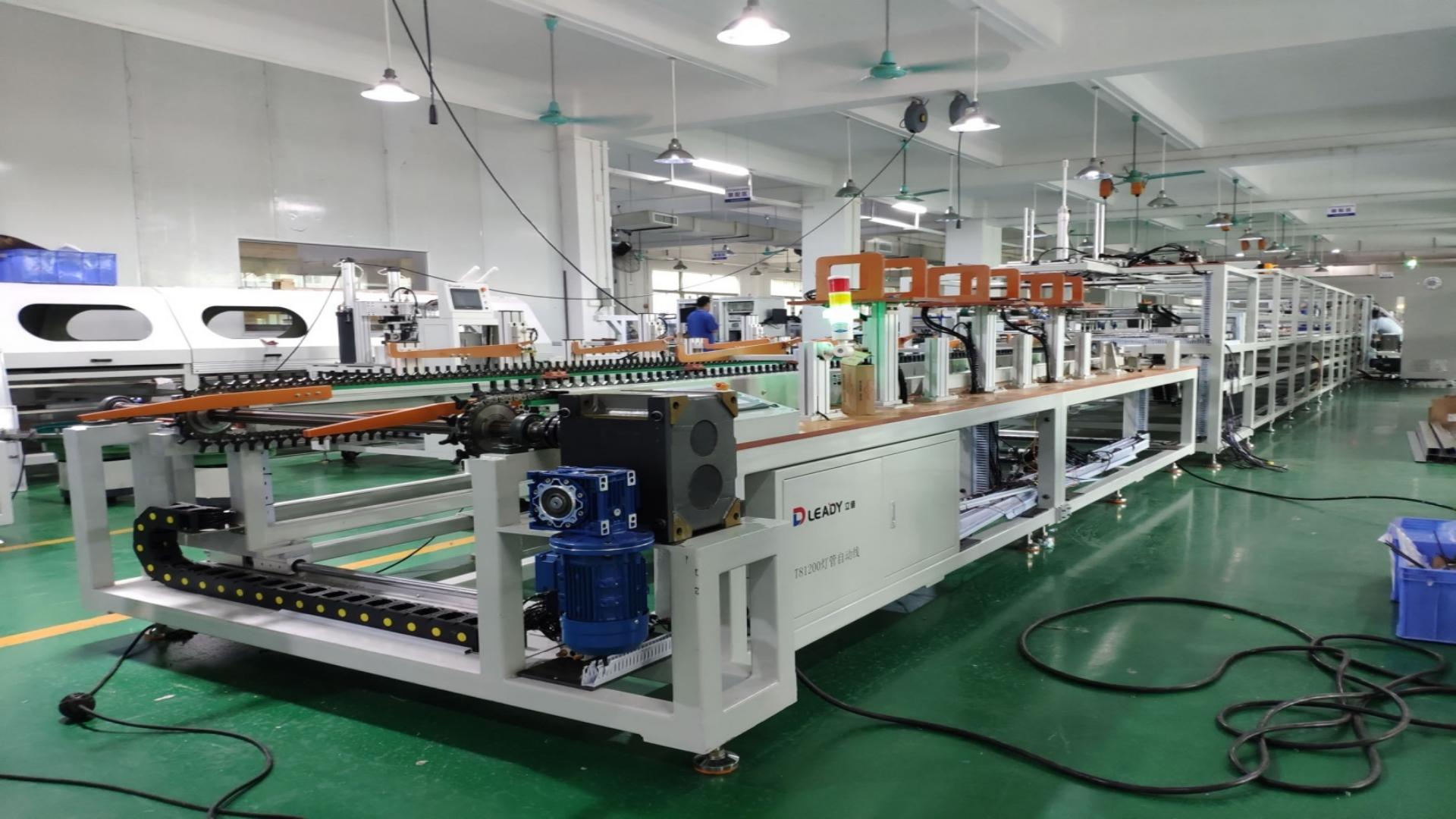
Our company has strong technical force. With complete production equipment, it has more than 120 sets of production equipment, including 8000 tons of four column press, 1600 tons of pushing machine, 800 tons of large pipe bending machine and 8 tons of forging hammer. It can produce valves, flanges, elbows, elbows, tees, crosses, reducers, pipe caps, sockets and other pipe fittings and extension products of all specifications of carbon steel, alloy steel, stainless steel, pipeline steel, low-temperature steel and other materials according to domestic and international and industrial standards. We adhere to quality first, customer first — this is our purpose.
Company's Facility
As an ISO9001:2000 approved manufacturer, HEBEI CANGRUN PIPELINE EQUIPMENT CO.,LTD provide high quality, low priced industrial pipes, industrial pipe fittings, industrial flanges and industrial valves. We import the most advanced production equipment, technologies and scientific production process, and have purchased a line of testing equipment for chemical analysis, water pressure testing, X-ray inspection, ultrasonic testing, eddy current inspection, tension testing, chemical testing, and so on. Thus, you can feel secure in choosing our industrial pipes, industrial pipe fittings, industrial flanges and industrial valves.


Our Client And Application
Our pipe fittings and components are trusted by commercial real estate developers, mechanical contractors, fire protection engineers, and EPC firms across six continents. From luxury hotel towers in the Middle East to mixed-use skyscrapers in Southeast Asia, our fittings form the backbone of reliable, code-compliant fire suppression infrastructure. Below are representative application scenarios from our global client base:

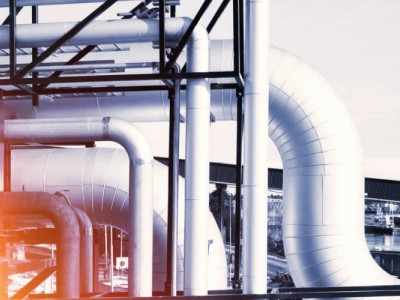
Complete Range: Pipe Fittings for High-Rise Sprinkler & Fire Suppression Systems
Ready to Specify Fittings for Your High-Rise Sprinkler Project?
Our engineering team provides complete specification support, material certifications, and competitive pricing for large-volume commercial and industrial projects worldwide. Contact HEBEI CANGRUN PIPELINE EQUIPMENT CO., LTD today.
Request a Quote →