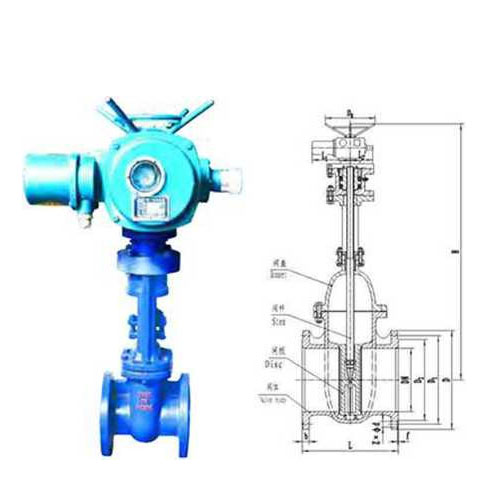
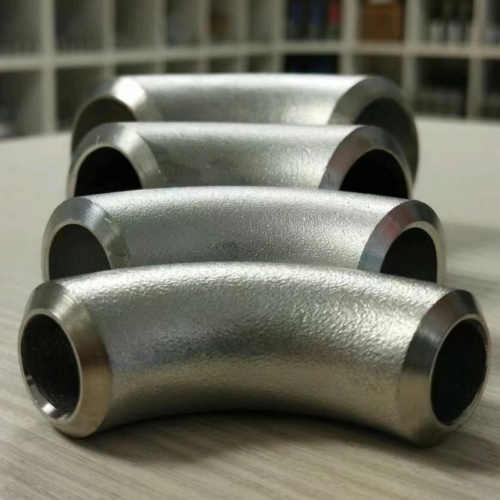
Featured Carbon Steel Reducer Products
Explore our top-selling pipe fittings certified to international standards — trusted by Polish engineers and procurement teams.



Carbon Steel Reducers in Poland's Industrial Market
Understanding the commercial and industrial landscape driving demand for carbon steel reducers across Poland.
Poland: A Key Hub for Carbon Steel Reducer Demand in Central Europe
Poland is one of Central Europe's largest industrial economies, with a robust pipeline infrastructure spanning oil refineries, chemical plants, district heating networks, and power generation facilities. Carbon steel reducers — concentric and eccentric — are critical components in these systems, enabling efficient fluid and gas flow transitions between pipes of differing diameters. Poland's strategic position as an EU member with strong manufacturing and energy sectors makes it one of the fastest-growing markets for high-quality carbon steel pipe fittings in the region.
Energy & Power Generation
Poland's power sector, including coal-fired, gas, and emerging renewable energy plants, relies heavily on carbon steel reducers for steam and water pipelines. The transition towards cleaner energy is spurring new pipeline infrastructure projects, increasing demand for precision-manufactured reducers that meet EN and ASME standards.
Oil, Gas & Petrochemicals
Major refining and petrochemical complexes in Płock and Gdańsk require large volumes of carbon steel reducers for process piping. These facilities demand fittings that can handle high-pressure, high-temperature conditions with full compliance to international quality certifications including ISO 9001 and PED (Pressure Equipment Directive).
Construction & Infrastructure
Poland's rapidly expanding construction sector — including industrial parks, smart city projects, and urban district heating systems — drives significant consumption of carbon steel pipe fittings. Carbon steel reducers are widely used in HVAC systems, water treatment plants, and municipal gas distribution networks across Warsaw, Kraków, and Wrocław.
Hebei Cangrun — Your Trusted Manufacturing Partner
Decades of expertise, global reach, and uncompromising quality for Polish buyers.
Local Application Scenarios in Poland
Carbon steel reducers find widespread, mission-critical use across Poland's key industrial and municipal sectors.
District Heating Networks (Ciepłownictwo)
Poland operates one of Europe's largest district heating systems, with extensive hot water pipeline grids in cities like Warsaw, Łódź, and Katowice. Carbon steel concentric reducers are essential for connecting mains to branch lines, ensuring efficient heat delivery across millions of households.
Water Treatment & Municipal Supply
Water utilities across Poland use carbon steel eccentric reducers in pumping stations and filtration plants to manage flow transitions without air pockets. Compliance with EN 10253 and AWWA standards ensures long-term reliability in potable water systems.
Chemical & Pharmaceutical Manufacturing
Poland's growing chemical manufacturing sector in Silesia and Greater Poland Voivodeship requires carbon steel reducers for corrosive-resistant process piping. High-grade A234 WPB and A420 WPL6 reducers are deployed in critical process lines handling acids, solvents, and industrial gases.
Rail & Transportation Infrastructure
Poland's expanding railway modernization program and tunnel ventilation systems employ carbon steel reducers in compressed air and hydraulic braking pipelines. The robust mechanical properties of carbon steel make it the material of choice for vibration-prone environments.
Natural Gas Distribution
With Poland's national gas grid undergoing significant expansion and diversification — including Baltic Pipe connectivity — there is surging demand for high-pressure carbon steel reducers that meet PNEN 10253-2 and PN-ISO 3419 standards for safe, long-service-life gas distribution pipelines.
Renewable Energy & Biogas Plants
Poland's growing biogas and biomass energy sector requires carbon steel reducers for steam and biogas pipeline connections. As Poland accelerates its EU Green Deal commitments, new green energy facilities are becoming a steady and rising source of demand for precision pipe fittings.
Industry Trends: Carbon Steel Reducer Market in Poland
Key developments shaping the future of industrial pipe fittings procurement and manufacturing in Poland and the EU.
EU PED Compliance & CE Marking Demands
Polish buyers increasingly require carbon steel reducers compliant with EU Pressure Equipment Directive (PED 2014/68/EU). Manufacturers supplying Poland must provide CE-marked products with material traceability documentation and third-party inspection certificates from TÜV, BV, or SGS.
Digital Procurement & B2B E-Commerce Growth
Polish industrial procurement is rapidly shifting towards digital channels, with engineers and purchasing managers sourcing carbon steel reducers through global B2B platforms. Suppliers with detailed product data sheets, 3D CAD models, and fast quotation systems gain significant competitive advantage.
Green Steel & Low-Carbon Manufacturing
In response to EU carbon border adjustment mechanisms, Polish buyers are evaluating the embodied carbon of steel pipe fittings. Suppliers offering Environmental Product Declarations (EPDs) and low-emission production processes are gaining preference in public infrastructure procurement tenders.
Nearshoring & Supply Chain Resilience
Post-pandemic supply chain disruptions prompted Polish companies to diversify sourcing. While European-manufactured fittings remain preferred for short lead times, well-certified Asian manufacturers with proven track records and reliable logistics partnerships remain highly competitive on price and volume flexibility.
High-Pressure & Special Alloy Reducers
Poland's expanding LNG and hydrogen pilot projects are driving demand for Class 600, 900, and 1500 carbon steel reducers, as well as low-temperature grade (LTCS) fittings for cryogenic applications, pushing manufacturers to continuously upgrade material and process capabilities.
Smart Factory Integration & Quality Automation
Leading carbon steel reducer manufacturers are investing in automated non-destructive testing (NDT), real-time production monitoring, and digital quality management systems to meet the increasingly stringent inspection requirements of Polish engineering procurement contractors (EPCs).
About HEBEI CANGRUN PIPELINE EQUIPMENT CO., LTD.
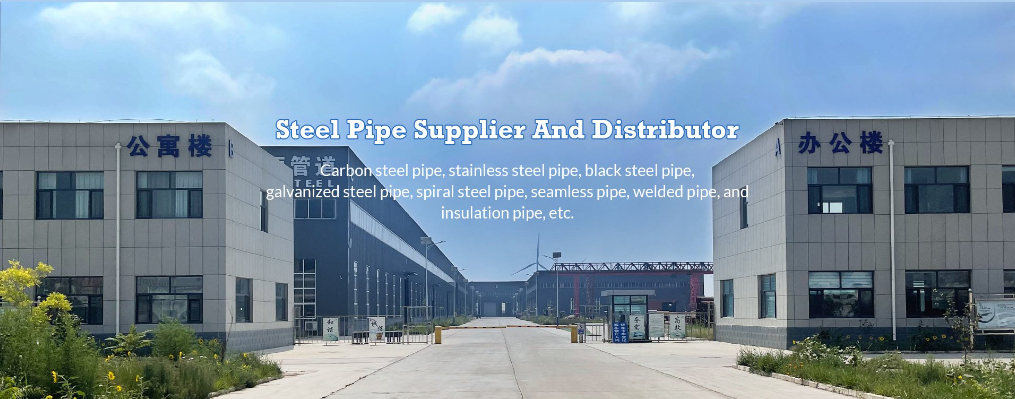
HEBEI CANGRUN PIPELINE EQUIPMENT CO., LTD. is a professional manufacturer of industrial pipes, industrial pipe fittings and valves. Its headquarter is located in Mengcun, Cangzhou, Hebei, the "capital of elbow pipe fittings in China". It covers an area of about 80,000 square meters, has 200 employees, total assets of 150 million, and an annual output of 100,000 tons.
Our company has strong technical force. The production equipment is complete, with more than 120 sets of production equipment such as 8,000-ton four-column press, 1,600-ton pusher, 800-ton large-scale pipe bending machine, and 8-ton forging hammer. We have fifteen advanced production lines for flanges and pipe fittings. Forging, intermediate frequency pushing, machining, cold forming, hot extrusion, heat treatment and other exquisite craftsmanship.
Equipped with advanced testing equipment such as chemical analysis, metallographic analysis, non-destructive testing, and mechanical performance experiments, it can produce various specifications of carbon steel, alloy steel, stainless steel, pipeline steel, and low-temperature steel that meet international and domestic standards for high, medium, and low pressures. And other valves, flanges, elbows, tees, crosses, reducers, caps, sockets and other pipe fittings of various specifications.

Our History
Two decades of growth, innovation, and global expansion in carbon steel pipe fittings manufacturing.

Our Enterprise Culture
Philosophy
Insist on quality first, customer first. Help every customer get better development.
Vision
To become one of the best, continuous growth, respected pipe fittings manufacturing enterprises.
Mission
Create value for consumers and share results with creators.
Values
Truth-seeking, enterprising, innovative, collaborative, sharing.

More Carbon Steel Pipe Fitting Products
Browse our comprehensive range of pipe fittings, flanges, elbows, valves, and reducers — all available for export to Poland and Europe.