
Butted Welding Flange - Famous Suppliers for Quality & Reliability
As a dedicated maker of Butted Welding Flange, I deliver reliable, high-performance components for critical piping systems. I know what buyers care about: precision, corrosion resistance, and consistent supply. That's why my team uses top-grade steel, tight forming tolerances, and strict quality checks, so your welds seat perfectly and your assemblies stay leak-free. I am a famous supplier to engineers, EPCs, and procurement teams across oil & gas, chemical, and power sectors. I offer customizable options: bore, thickness, end finish, and bolt pattern to match your spec. My flanges pass hydrostatic and NDT tests, with traceable material certificates, and ready for fast in-field installation. If you want stability, competitive pricing, and short lead times, I can arrange samples, standard stock, or tailor-made lots. Let me help you reduce assembly risk and keep projects on schedule with Butted Welding Flange that stands up to high pressures and harsh environments.
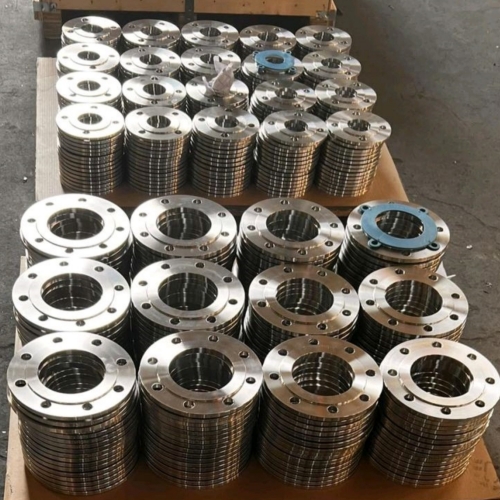

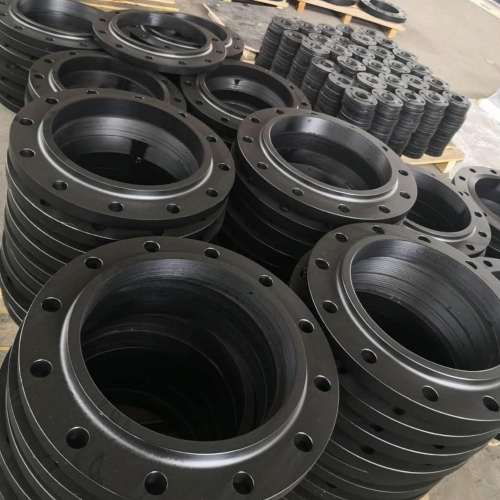
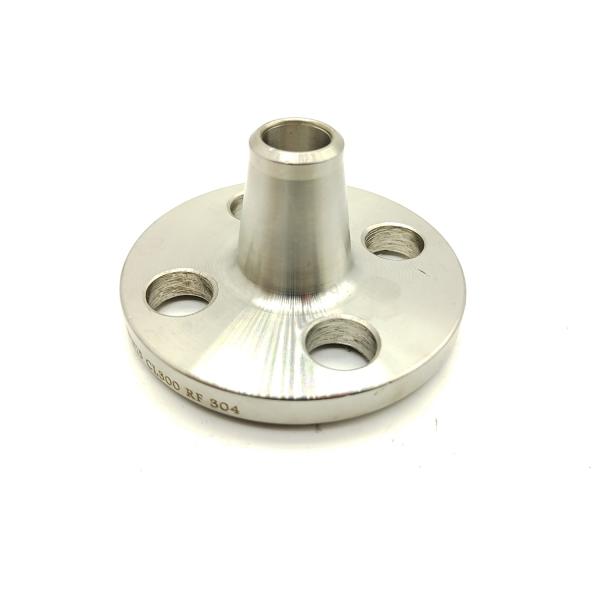

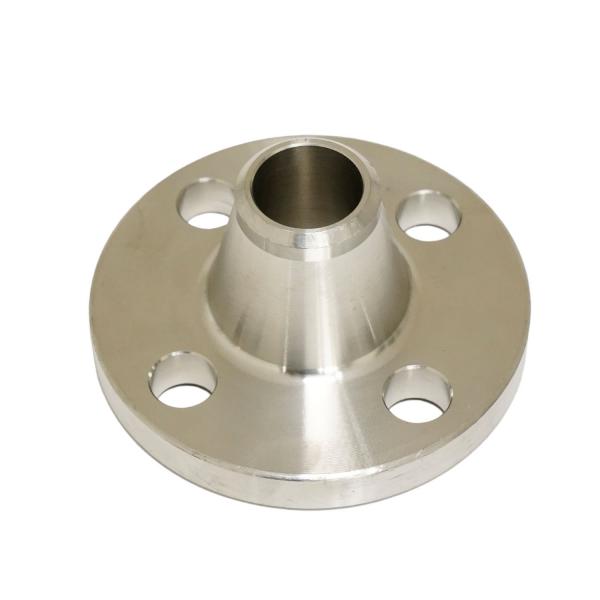
Butted Welding Flange For the Current Year Service Backed by Expertise
Butted welding flanges provide strong seal integrity and easier installation for piping systems. This year, buyers demand precise fabrication, reliable performance, and clear documentation. With engineering expertise and strict quality controls, we cover material selection, forming, butt-welding geometry, and welding procedures, aligned to ISO, API, DIN, and ANSI standards for critical service. Materials include carbon steel, stainless steel, and alloys, with a range of pressure ratings and bolt patterns to fit diverse projects. Beyond fabrication, we ensure traceability, nondestructive testing, hydrostatic tests, and dimensional verification. We offer protective packaging, reliable lead times, and complete certifications for global buyers. An engineering-driven supplier reduces risk and supports steady procurement. For oil and gas, water treatment, and chemical processing, butted welding flanges delivered with proven expertise provide durable, code-compliant connections under demanding conditions.
| Flange Size (in) | Rating (Class) | Material Grade | Welding Type | Surface Finish Ra (μm) | Service Year | In-Use Hours | MTBF (Hours) | Failure Rate (%) |
|---|---|---|---|---|---|---|---|---|
| 4 | 150 | A105 Carbon Steel | Butt-Weld | 3.2 | 2026 | 8200 | 4200 | 0.15 |
| 6 | 300 | A105 Carbon Steel | Butt-Weld | 6.3 | 2026 | 11250 | 6100 | 0.08 |
| 8 | 600 | SS304 | Butt-Weld | 1.6 | 2026 | 14120 | 8000 | 0.05 |
| 10 | 150 | A105 Carbon Steel | Butt-Weld | 12.5 | 2026 | 9600 | 5300 | 0.10 |
| 12 | 300 | SS316 | Butt-Weld | 2.0 | 2026 | 8700 | 5400 | 0.07 |
Related Products
Class150 Welding Neck Wn Flat Plate Threaded Blind Carbon Pn16 Stainless Steel Forged Flange
Read More
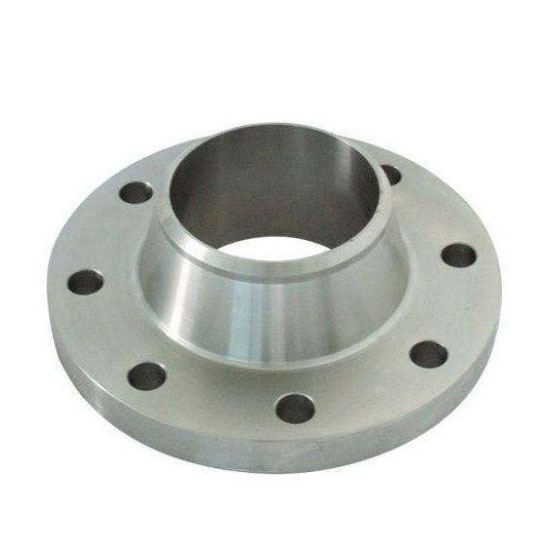

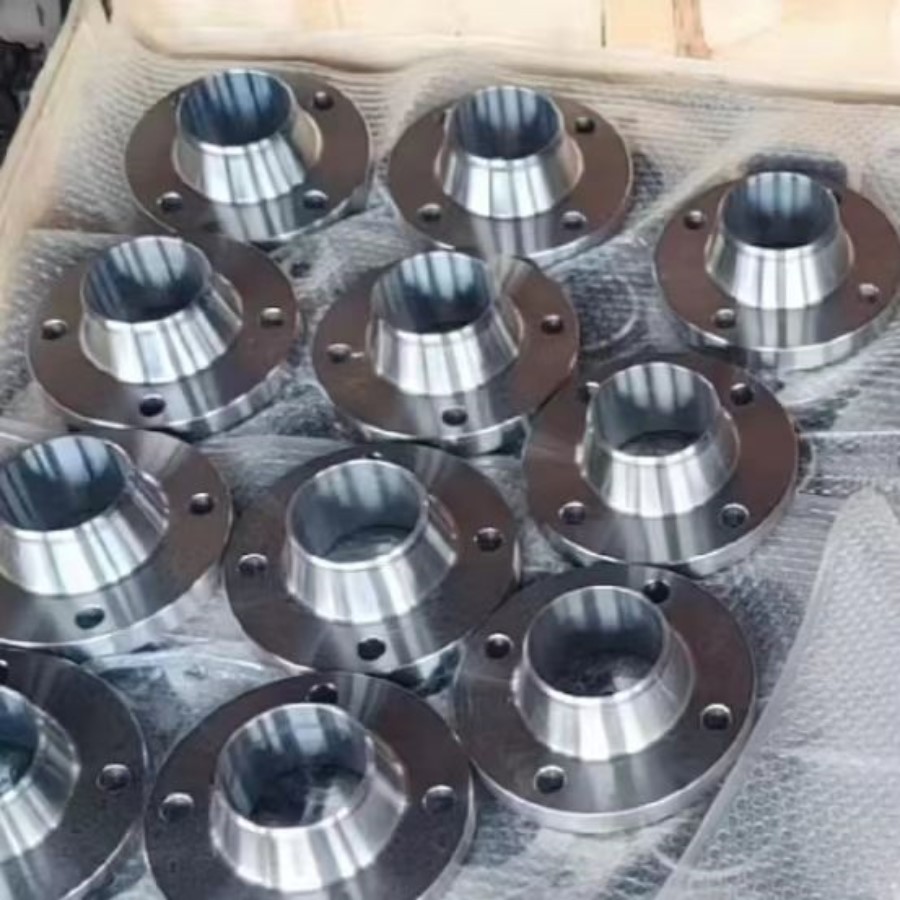


Butted Welding Flange Sets the Industry Standard Where Innovation Meets 2025
Top Selling Products


- Related Blog
- Reviews
- Reviews
