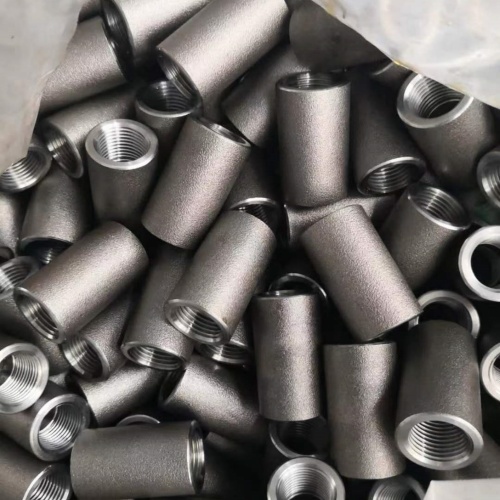
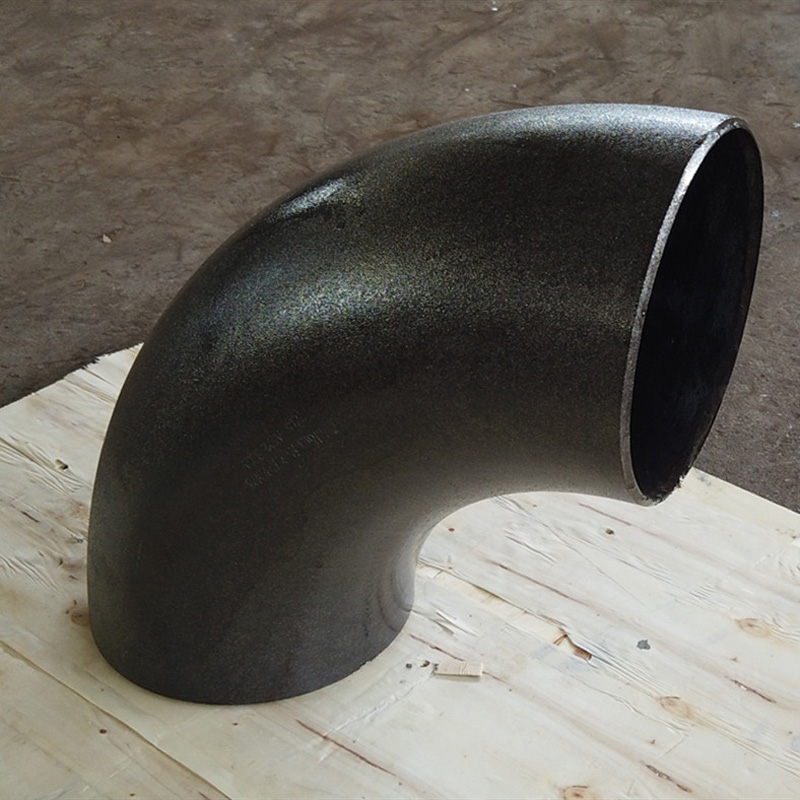
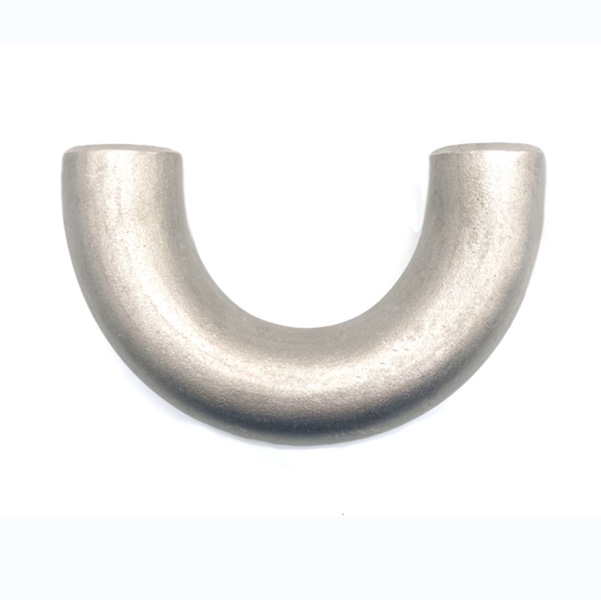
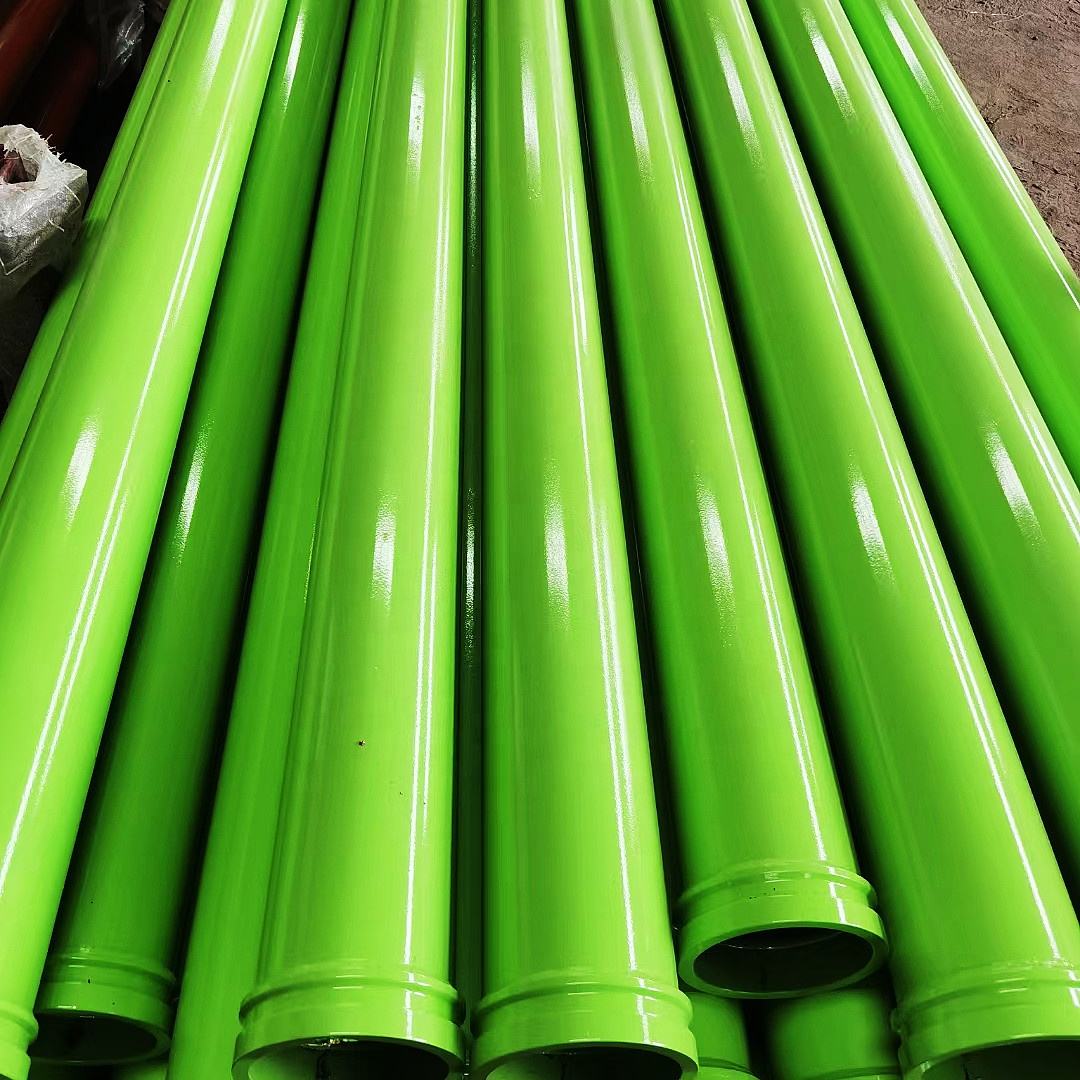
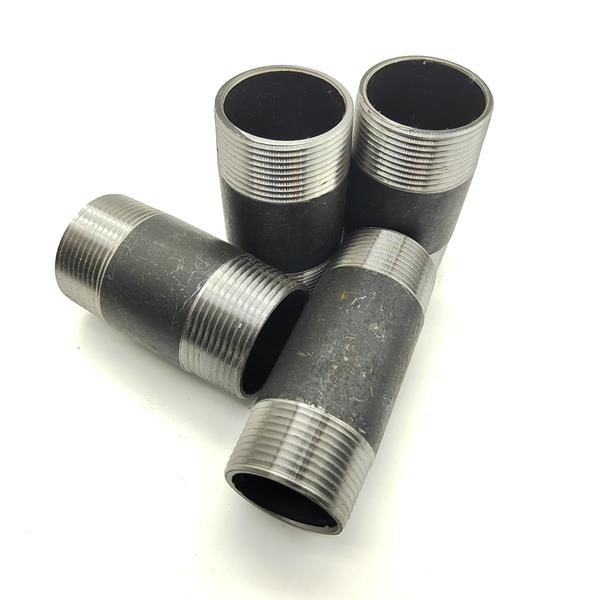
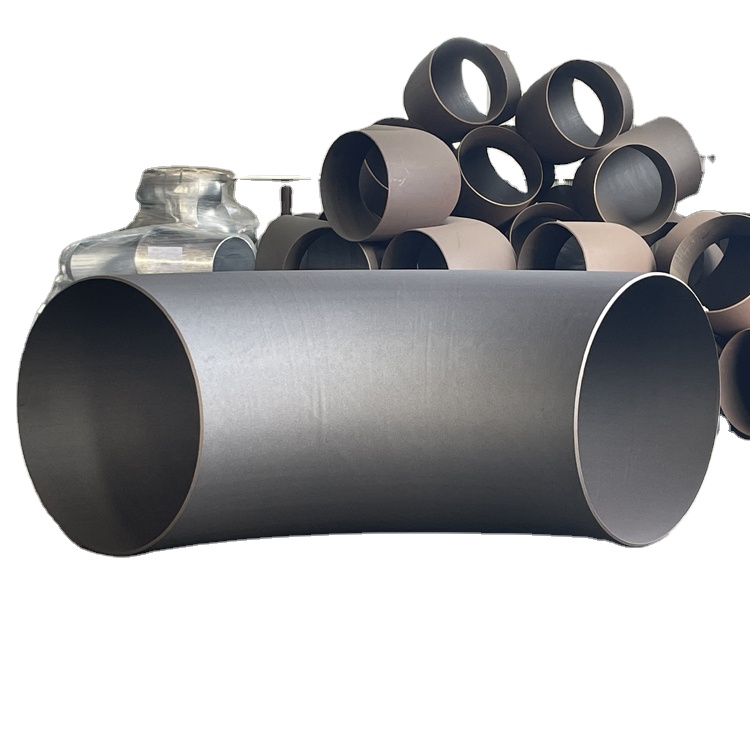
Black Pipe Fittings for Underground Municipal Wastewater Drainage
Precision-engineered black carbon steel pipe fittings designed for the most demanding underground municipal wastewater drainage and sewer infrastructure systems worldwide.
Industry Overview: Black Pipe Fittings in Municipal Wastewater Infrastructure
The global municipal wastewater drainage infrastructure market has experienced significant acceleration in demand over the past decade. As governments across Asia, Europe, North America, and the Middle East invest heavily in upgrading aging sewer systems, expanding urban networks, and constructing new smart-city utilities, black carbon steel pipe fittings have emerged as a primary engineering choice for underground drainage pipelines.
Why Black Pipe Fittings Dominate Underground Municipal Systems
Black steel pipe fittings — characterized by their uncoated, dark iron-oxide surface — offer superior structural integrity, pressure resistance, and cost-efficiency compared to alternatives. In underground municipal drainage environments, where sustained load-bearing capacity and resistance to corrosive wastewater chemicals are paramount, black carbon steel fittings consistently outperform in durability assessments spanning 30–50 year infrastructure lifespans.
According to industry analysis, the global pipe fittings market in the municipal infrastructure sector is projected to surpass USD 18 billion by 2030, with underground drainage and wastewater applications accounting for approximately 34% of total demand. Black carbon steel fittings, including elbows, tees, reducers, crosses, and couplings, represent a core sub-segment driven by massive public works projects in emerging economies alongside modernization campaigns in developed nations.
In China — the world's largest manufacturer and consumer of black pipe fittings — production hubs such as Cangzhou, Hebei Province, have become globally recognized centers of precision pipe fitting manufacturing, supplying products to wastewater treatment plants, municipal sewer networks, and industrial drainage systems across more than 60 countries.
Market Scale & Manufacturing Strength
Deep-Dive Application Scenarios
Black pipe fittings serve as the critical connective tissue of underground municipal wastewater infrastructure. Below are the key application environments where performance is non-negotiable.
Technical Specifications & Performance Standards
Why Carbon Steel Black Fittings Are the Industry Standard for Underground Drainage
The selection of pipe fitting materials for underground municipal wastewater drainage is governed by a complex matrix of mechanical, chemical, and economic factors. Black carbon steel pipe fittings have consistently emerged as the preferred solution because of their unmatched combination of high tensile strength (typically 415–550 MPa for A234 WPB grade), excellent weldability, cost-effectiveness at scale, and compatibility with cathodic protection systems used to mitigate underground corrosion.
Key Applicable International Standards
ASME B16.9 (Factory-Made Wrought Buttwelding Fittings) · ASME B16.11 (Forged Fittings) · ASTM A234 WPB (Carbon Steel Fittings) · EN 10253-2 (European Butt-Weld Fittings) · ISO 3419 (Non-alloy & Alloy Steel Fittings) · GB/T 12459 (Chinese National Standard)
Pressure Ratings Suitable for Municipal Infrastructure
Municipal wastewater drainage systems operate across a broad range of pressure conditions — from gravity-flow sewer mains at near-zero gauge pressure to pump station force mains operating at 10–25 bar. Black carbon steel fittings in Schedule 40, Schedule 80, and heavier wall classes are specified by municipal engineers to accommodate these varied conditions within a single standardized supply chain.
- SCH 40 Black Steel Fittings: Standard-duty gravity sewer connections and low-pressure drainage manifolds
- SCH 80 Black Steel Fittings: Pump station force mains, pressurized interceptor sewers, industrial discharge connections
- Forged Black Steel Fittings (3000# / 6000#): High-pressure junction boxes, valve block assemblies, instrumentation taps in wastewater treatment plant piping
Surface Treatment & Corrosion Protection for Underground Deployment
While "black pipe" refers to the uncoated mill-finish appearance, modern underground deployment demands additional corrosion protection layers. Leading manufacturers apply fusion-bonded epoxy (FBE) coating, polyethylene sleeving, or coal tar enamel wrapping to black steel fittings for direct burial in corrosive soils. Cathodic protection systems (impressed current or sacrificial anode) are co-designed with black steel fitting assemblies in long-distance municipal sewer trunk main projects, extending service life to 50+ years.
Dimensional Compatibility & Fabrication Capabilities
One of the critical engineering advantages of black carbon steel pipe fittings is their dimensional interoperability across global piping systems. Fittings are available in nominal pipe sizes (NPS) from 1/2 inch to 72 inches, accommodating everything from residential sewer laterals to large-diameter municipal interceptor sewers. Buttweld fittings enable full-penetration welds with the same base material, creating monolithic, leak-proof underground pipeline assemblies that resist ground movement and soil settlement stresses.
Industry Development Trends
The black pipe fittings sector for municipal wastewater infrastructure is evolving rapidly. Key trends reshaping procurement, engineering specifications, and manufacturing are detailed below.
Green Infrastructure & Sustainable Urban Drainage
Governments worldwide are mandating low-carbon lifecycle assessments for municipal pipe fittings. Manufacturers are adopting electric arc furnace (EAF) steelmaking with recycled scrap to reduce embodied carbon in black steel fittings by 40–60%, aligning with municipal green procurement policies.
IoT-Integrated Smart Pipeline Fittings
Next-generation black steel fittings are being engineered with sensor integration ports and RFID tracking tags embedded during manufacture, enabling real-time flow monitoring, pressure anomaly detection, and predictive maintenance in smart municipal drainage networks.
Large-Diameter Infrastructure Investment Surge
Asia-Pacific and Middle East megacity expansion programs are driving unprecedented demand for large-diameter black steel fittings (DN600–DN2400) for primary wastewater interceptors. This segment is projected to grow at 8.2% CAGR through 2030.
Modular Pre-Fabricated Fitting Assemblies
EPC contractors increasingly specify pre-fabricated black steel pipe fitting spools for underground drainage projects to reduce on-site labor and improve weld quality control. Manufacturers offering shop-fabricated assemblies with CNC precision cutting gain significant procurement advantages.
Automation in High-Volume Fitting Manufacturing
Leading manufacturers are deploying robotic welding, automated forging lines, and AI-based quality inspection systems to achieve consistent dimensional accuracy and mechanical properties at scale — critical for municipal procurement tender compliance.
Stricter Material Certification Requirements
Municipal authorities in Europe, North America, and Australia are tightening third-party material certification requirements (EN 10204 3.2, PMI testing, Charpy impact testing) for all buried pipe fittings, driving quality-differentiated suppliers to the forefront of global tenders.
Commercial & Industrial Landscape
Global Procurement Dynamics for Municipal Wastewater Drainage Fittings
The procurement of black pipe fittings for underground municipal wastewater drainage is dominated by three buyer categories: government municipal utilities, EPC (engineering, procurement, and construction) contractors on infrastructure projects, and industrial facility operators connecting to municipal sewer systems. Each category presents distinct procurement requirements and commercial dynamics.
Government Municipal Utility Procurement
Municipal utilities in urban centers typically procure black steel pipe fittings through competitive tender processes governed by national public procurement regulations. Compliance with local or international material standards (ASTM, EN, JIS, or GB standards) is mandatory, and suppliers must demonstrate factory quality management system certifications (ISO 9001:2015) along with traceable material test certificates for each production batch.
Volume purchases for large infrastructure projects — such as city-wide combined sewer overflow elimination programs or new wastewater treatment plant construction — can involve thousands of metric tons of black steel fittings across sizes ranging from 2-inch service laterals to 48-inch+ trunk main components. Manufacturers with large-scale production capacity, diversified size range, and robust logistics infrastructure are positioned competitively in this segment.
EPC Contractor Market
International EPC contractors executing wastewater infrastructure projects in emerging markets — particularly in Southeast Asia, Sub-Saharan Africa, the Middle East, and South America — represent a major and growing export market for Chinese black pipe fitting manufacturers. These contractors value suppliers who can provide complete package supply (pipe, fittings, flanges, valves) with consistent quality across multi-year project timelines, competitive pricing with stable lead times, and English-language technical documentation meeting international project specifications.
China's Competitive Manufacturing Advantage
China's Cangzhou-Mengcun pipe fitting manufacturing cluster — recognized internationally as the global center of buttweld and forged fitting production — hosts hundreds of specialized manufacturers with vertically integrated production capabilities. The region's competitive advantage stems from abundant domestic steel supply, a deep pool of skilled metalworking labor, mature sub-supplier ecosystems for raw materials and tooling, and decades of accumulated engineering know-how. Manufacturers in this cluster routinely achieve cost structures 20–40% below Western European or North American equivalents while meeting equivalent technical standards.
About Us

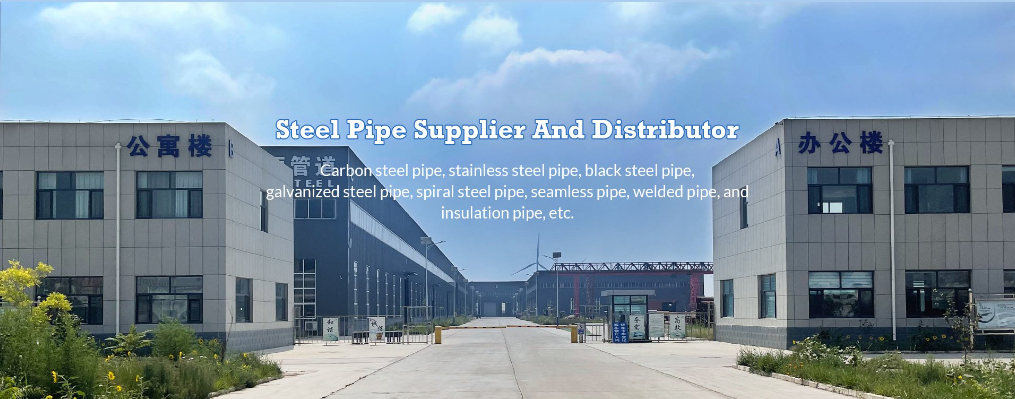
HEBEI CANGRUN PIPELINE EQUIPMENT CO., LTD. is a professional manufacturer of industrial pipes, industrial pipe fittings and valves. Its headquarter is located in Mengcun, Cangzhou, Hebei, the "capital of elbow pipe fittings in China". It covers an area of about 80,000 square meters, has 200 employees, total assets of 150 million, and an annual output of 100,000 tons. Our company has strong technical force. The production equipment is complete, with more than 120 sets of production equipment such as 8,000-ton four-column press, 1,600-ton pusher, 800-ton large-scale pipe bending machine, and 8-ton forging hammer. We have fifteen advanced production lines for flanges and pipe fittings. Forging, intermediate frequency pushing, machining, cold forming, hot extrusion, heat treatment and other exquisite craftsmanship. Equipped with advanced testing equipment such as chemical analysis, metallographic analysis, non-destructive testing, and mechanical performance experiments, it can produce various specifications of carbon steel, alloy steel, stainless steel, pipeline steel, and low-temperature steel that meet international and domestic standards for high, medium, and low pressures. And other valves, flanges, elbows, tees, crosses, reducers, caps, sockets and other pipe fittings of various specifications.
Our History

Our Enterprise Culture
- Philosophy: Insist on quality first, customer first. Help every customer get better development.
- Vision: To become one of the best, continuous growth, respected pipe fittings manufacturing enterprises.
- Mission: Create value for consumers and share results with creators.
- Values: Truth-seeking, Enterprising, Innovative, Collaborative, Sharing.

Procurement Guide: Selecting Black Pipe Fittings for Municipal Drainage Projects
Step 1: Define the System Pressure Class & Fluid Compatibility
Municipal wastewater drainage projects must first classify pipeline segments by operating pressure. Gravity sewer mains (typically 0–0.5 bar) allow use of standard-wall black fittings, while force mains (2–25 bar) require SCH80 or heavier wall designations. Chemical compatibility assessment ensures the selected black carbon steel grade withstands the pH range and chemical constituents of the specific wastewater stream.
Step 2: Specify Applicable Codes & Certifications
Project specifications should cite the governing design code (ASME B31.3 for process piping, AWWA C200-series for water and wastewater mains, or relevant national equivalents). Material certifications required — such as ASTM A234 Grade WPB material test reports, EN 10204 3.1 or 3.2 inspection certificates — must be established before issuing purchase orders.
Step 3: Evaluate Manufacturer Quality System & Production Capacity
For large municipal infrastructure projects, supplier qualification audits are recommended. Key evaluation criteria include ISO 9001:2015 certification, in-house chemical analysis and mechanical testing laboratories, non-destructive testing capabilities (UT, RT, PT, MT), and demonstrated delivery track record on comparable projects. Manufacturers like Hebei Cangrun, with 120+ production equipment sets and 15 dedicated production lines, can accommodate both standard and custom-dimension requirements.
Step 4: Confirm Corrosion Protection & Burial Requirements
Underground deployment requires specification of appropriate external coating systems. Common options for buried black steel fittings include: 3-layer polyethylene (3LPE) coating, fusion-bonded epoxy (FBE), coal tar epoxy, or polyurethane foam jacketing for insulated configurations. Compatibility with the project's cathodic protection design should be verified with the coating supplier.
More Black Pipe Fittings for Underground Municipal Wastewater Drainage
Explore our full range of precision-manufactured black carbon steel pipe fittings engineered for underground municipal wastewater and drainage infrastructure applications.