
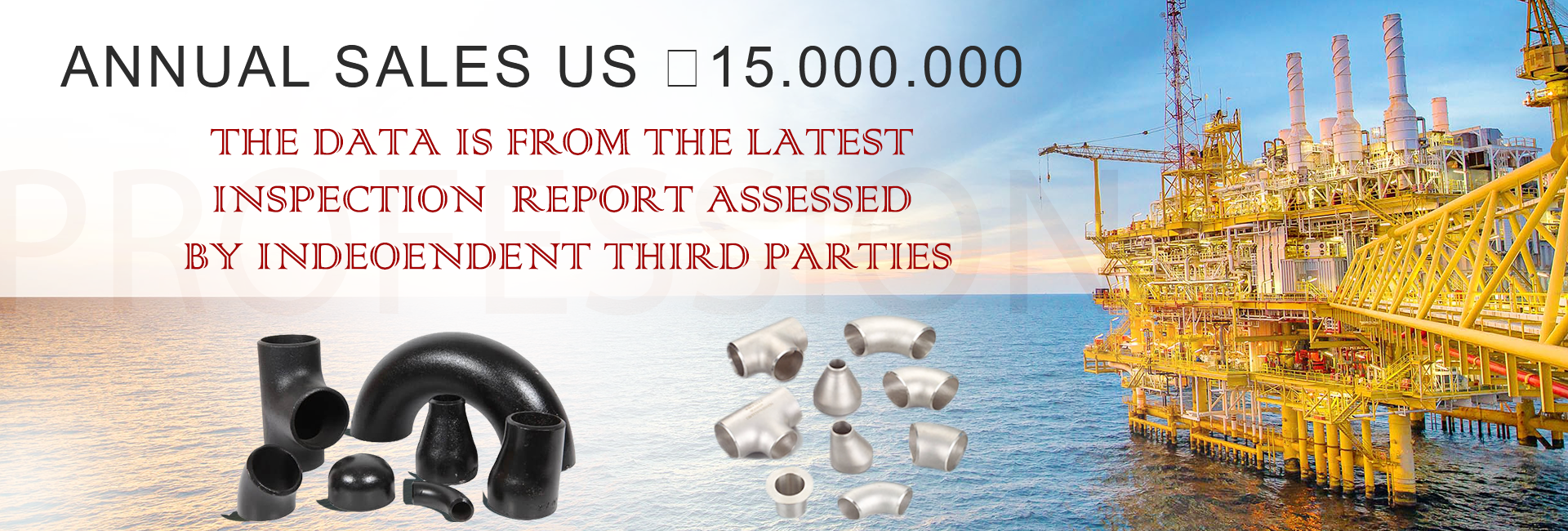
Wholesale 45 /90 Degree Elbow from Leading Manufacturers
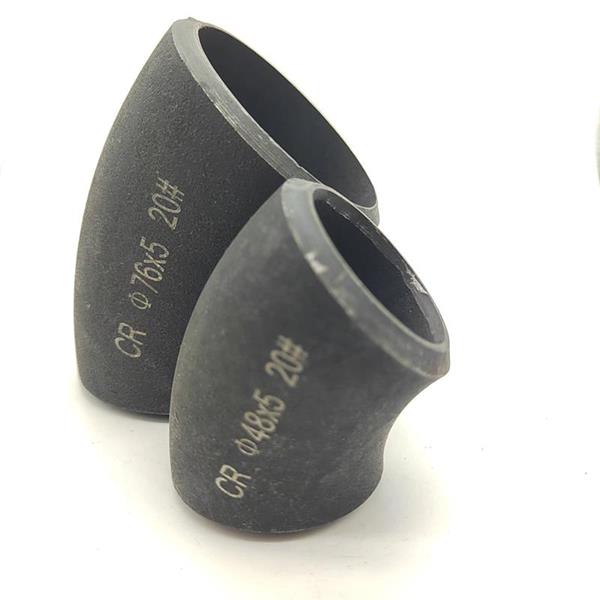
I’m the one you call when you need a reliable {45 /90 Degree Elbow} for high-volume projects. I work with {Wholesale} buyers and {Manufacturers} to deliver quality fittings in the right quantities, fast. Our elbows come in common materials like stainless steel, brass, and impact-resistant PVC options, with precise angles that reduce stress and keep flow steady. I offer tight tolerances, corrosion resistance, and pressure ratings suitable for industrial pipelines, gas lines (where permitted), and water systems. If you need custom finishes, lengths, or packaging, I can scale production to meet your schedule. I ship quickly, offer competitive pricing for bulk orders, and provide documentation and certifications upon request. Whether you're stocking a distributor route or completing a manufacturing line, my flexible terms and reliable supply chain keep your project moving.


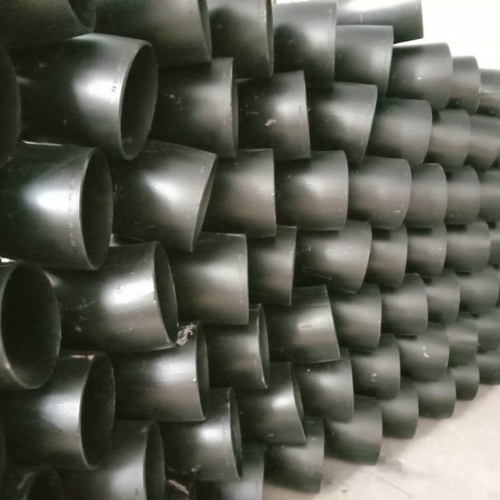
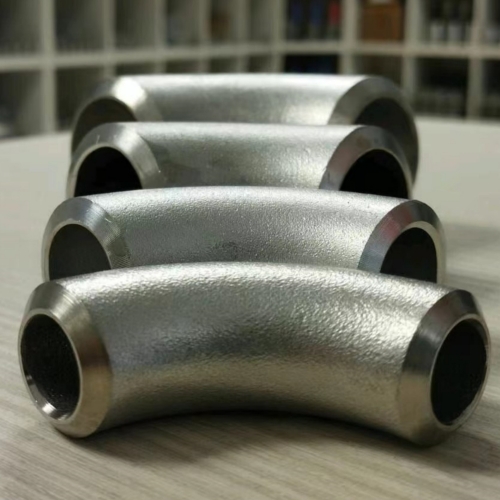
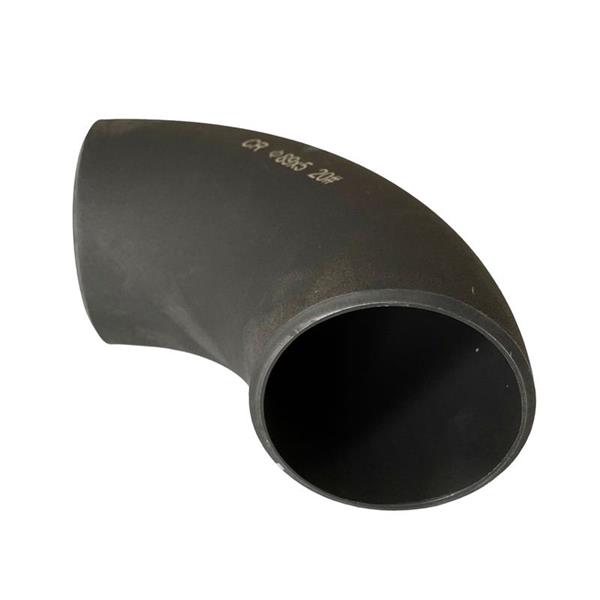

45 /90 Degree Elbow Now Trending From Concept to Delivery
The 45 and 90 degree elbow is trending as designers optimize compact piping. From concept to delivery, the process starts with CAD layouts, fit-for-purpose analysis, and material selection—carbon steel, stainless steel, or alloys—with protective coatings for corrosion resistance. Quick-turn prototypes verify fit in tight spaces, while standardized configurations reduce on-site variability. Clear dimensioning and compatible connections with flanges and valves accelerate approvals and ensure reliable performance across diverse environments. Manufacturing options include precision forging and seamless production, with strict control of bend radii and wall thickness. Connections may be welded, threaded, or socketed, with heat treatment and nondestructive testing. Pressure testing, surface finishing, and full traceability docs accompany each batch. Compliance with global standards (ANSI/ASME, EN) and material certifications ensures cross-border compatibility. For buyers, transparent lead times, scalable packaging, and dependable logistics are as important as price.
| Part ID | Material | Bend Angle (deg) | Radius (mm) | Inner Diameter (mm) | Wall Thickness (mm) | Manufacturing Process | Surface Finish | Lead Time (days) | Origin | Weight (kg) | Quality Grade | Status |
|---|---|---|---|---|---|---|---|---|---|---|---|---|
| EBL-45-SS-001 | Stainless Steel 304 | 45 | 40 | 60 | 2 | Forging | Polished | 14 | Southeast Asia | 0.9 | A | In Production |
| EBL-90-AL-012 | Aluminum 6061-T6 | 90 | 50 | 50 | 3 | Machining | Anodized | 7 | East Asia | 0.45 | A | QC Passed |
| EBL-45-CU-086 | Copper C110 | 45 | 35 | 40 | 1.8 | Casting | Bare | 21 | Europe | 0.6 | B | In Progress |
| EBL-90-SS-014 | Stainless Steel 316 | 90 | 60 | 75 | 2.5 | Forging | Ground | 18 | North America | 1.2 | A | Completed |
| EBL-45-SS-023 | Stainless Steel 304 | 45 | 45 | 50 | 2.2 | Machining | Polished | 12 | Latin America | 0.8 | A | In Production |
| EBL-90-AL-077 | Aluminum 5052 | 90 | 70 | 60 | 3.5 | Fabrication | Powder Coated | 9 | Africa | 0.9 | B | QC In Progress |
| EBL-45-SS-033 | Stainless Steel 304 | 45 | 30 | 32 | 1.5 | Casting | Sandblasted | 16 | Oceania | 0.4 | C | In Production |
| EBL-90-CU-210 | Copper C122 | 90 | 55 | 70 | 2.5 | Forging | Electro-polished | 20 | Middle East | 1.1 | A | Planned |
Related Products



45 /90 Degree Elbow in 2025 Winning in 2025
Top Selling Products


- Related Blog
- Reviews
- Reviews
